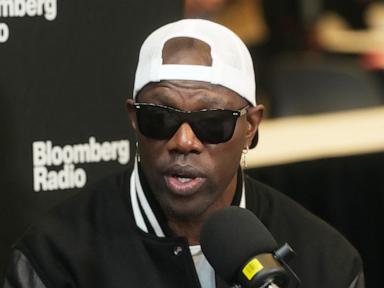
When a Hall of Fame athlete with millions of followers demands immediate arrests on social media, the digital mob listens. But in the case of former NFL star Terrell Owens, those viral words carry a massive legal price tag.
Three teenage friends of the late Nolan Wells filed a federal defamation lawsuit against Owens, targeting a social media post that accused the young men of evidence tampering and worse in connection to a tragic drowning. This legal battle highlights the hazardous intersection of viral outrage culture, high-profile celebrity commentary, and the harsh realities of internet accountability.
The Post That Sparked a Federal Lawsuit
The controversy traces back to a July 4 weekend trip to Horn Island off the Mississippi coast. Eighteen-year-old Nolan Wells went missing during the outing, and his body was recovered two days later. While local authorities and a Jackson County grand jury ultimately found no evidence of foul play and declined to file criminal charges, the case ignited intense speculation across social media.
Enter Terrell Owens. On September 26, Owens shared a clip from The Trent Out Loud Show on X (formerly Twitter). The program featured claims that Benjamin Warren Hudson Jr., Eli Jax Pitalo, and Morgan Seymour—three minor plaintiffs represented in the suit by their fathers—had deleted files from Wells' phone.
Owens amplified the claims to his massive audience with a short, punchy directive: "ARREST THEM IMMEDIATELY!! LIKE YESTERDAY!!"
For the teenagers and their families, that endorsement was devastating. The lawsuit, filed in October by attorney Edward Paltzik, details how the post triggered a relentless wave of harassment, including thousands of explicit death threats.
Moving Beyond the Headline
Most coverage stops at the famous name attached to the court filing. Yet, the broader context reveals why this case is moving forward despite Owens brushing it off on social media with a casual "not worried".
Legal experts point out that celebrities often treat online platforms like personal chat rooms, forgetting that their follower counts turn casual speculation into targeted harassment campaigns. When a public figure with a gold jacket tells millions of followers that specific, identifiable private citizens are hiding evidence in a death investigation, courts view that speech through a very different lens than an ordinary internet user sharing a rumor.
The plaintiffs are suing for defamation per se and false light invasion of privacy. They aren't just going after Owens, either. The legal team has targeted several online commentators and indicated plans to pursue public figures who amplified similar theories after a Mississippi grand jury cleared the teenagers.
Serving Papers at a Premiere
The drama surrounding the lawsuit spilled into real life when Owens attended an event promoting his Amazon documentary. Process servers caught up with the former receiver to officially deliver the court documents, a moment that attorney Edward Paltzik publicized online to the tune of millions of views.
Owens responded publicly on social media, defending his commentary as protected free speech. But constitutional protections for free speech do not grant immunity against defamation claims if a statement is proven to be false, highly damaging, and made with reckless disregard for the truth.
As the case makes its way through federal court, it serves as a warning for athletes, influencers, and commentators with large platforms. Tapping a share button on unverified internet sleuthing isn't harmless expression. When real names and reputations are tied to criminal accusations, the bill eventually comes due.