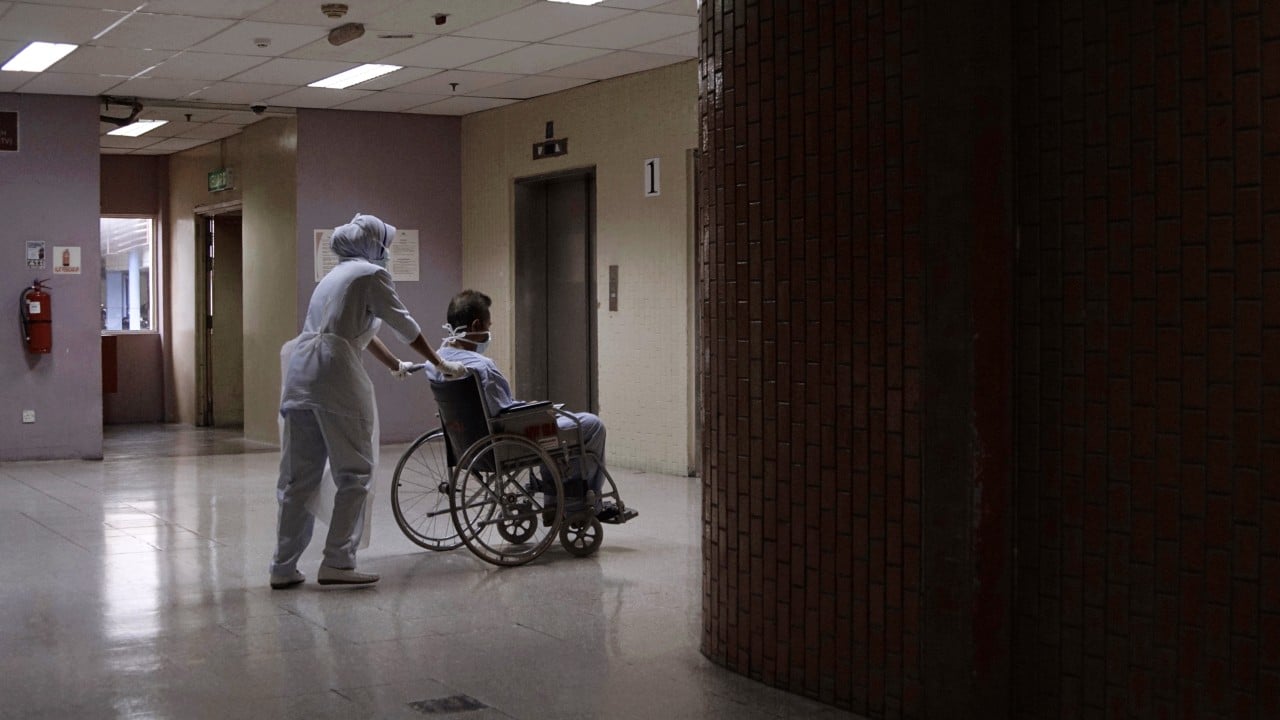
The headlines cheered. The bureaucrats popped metaphorical champagne. The NHS announced a sweeping initiative to treat heart disease patients at home, framing it as a triumph of modernization, patient empowerment, and efficiency.
It sounds wonderful on paper. Who wouldn't want to recover in their own bed, sip tea from their favorite mug, and avoid the sterile, grim reality of a hospital ward?
It is a comforting fantasy. And it is going to kill people.
I have spent years watching health systems scramble to find budget-saving bandaids, packaging them as clinical innovations. Shifting acute cardiovascular care into domestic living rooms is not a medical breakthrough. It is an administrative abdication of responsibility disguised as compassion. When you strip away the public relations polish, home-based cardiac care is an exercise in shifting the labor, the anxiety, and the catastrophic risk onto exhausted families who possess neither the training nor the equipment to manage a ticking time bomb.
Let us dismantle the lazy consensus.
The Myth of the Healing Environment
The core argument for home treatment rests on the psychological comfort of the domestic sphere. Stress spikes in hospitals, the argument goes. Sleep is interrupted by midnight vitals checks. Infection risks loom in every corner. Therefore, home equals healing.
This logic collapses the moment you look at the pathology of cardiac disease.
Heart failure and acute coronary syndromes do not obey a 9-to-5 schedule, nor do they stabilize simply because a patient is surrounded by familiar wallpaper. When a patient experiences a sudden drop in ejection fraction, an acute arrhythmia, or a subtle fluid overload that precedes pulmonary edema, the distance between survival and a body bag is measured in seconds and specialized monitoring equipment.
In a hospital, a subtle shift in telemetry triggers an immediate response from a crash team. At home, that same shift triggers a panicked phone call to an overloaded emergency line, a delayed ambulance response, and a stressed spouse trying to remember CPR while standing in a hallway.
We are trading clinical vigilance for ambient coziness. That is a terrible trade.
Telehealth is Not a Substitute for a Defibrillator
Proponents of the NHS scheme point to remote monitoring technology as the great equalizer. Sensors, wearables, daily check-in apps, and algorithmic alerts are supposed to bridge the gap between hospital wards and living room sofas.
Let us be brutally honest about how remote monitoring actually functions in the real world.
Data fatigue is real. Clinicians are drowning in a sea of false positives generated by consumer-grade or mid-tier remote sensors. When an algorithm pings a central monitoring station because a patient's heart rate ticked up during an argument or a brisk walk to the bathroom, nurses waste critical minutes triaging noise. Conversely, when a genuine, silent ischemic event unfolds, the data streams can be misinterpreted, delayed, or ignored simply because the human bandwidth to monitor thousands of remote patients simultaneously does not exist.
Technology cannot auscultate lungs through an internet connection. An algorithm cannot feel the cold, clammy skin of an impending cardiogenic shock. We are replacing physical touch and direct observation with digital proxy measures, and we are pretending the margin for error hasn't widened. It has blown wide open.
The Unpaid Labor of Family Caregivers
Here is the dirty secret of home-based healthcare initiatives: they rely entirely on free, exploited labor.
When a hospital discharges a high-risk cardiac patient early under the guise of an innovative home scheme, the state stops paying for professional 24-hour nursing care. That financial burden vanishes from the hospital balance sheet and reappears directly in the living room, absorbed by spouses, adult children, and friends.
Imagine a scenario where a 74-year-old woman is sent home following a mild myocardial infarction. Her discharge plan includes strict medication timing, fluid restrictions, daily weight tracking, symptom diaries, and vigilant observation for signs of decompensation. Her husband, who is seventy-six and dealing with his own cognitive and physical decline, is suddenly transformed into an unpaid intensive care nurse.
He wakes up every three hours to check if she is breathing normally. He spends his days paralyzed by the fear that if he goes to the grocery store, he will return to find her unresponsive. The psychological toll on family caregivers of cardiac patients is well-documented, marked by skyrocketing rates of clinical depression, anxiety, and secondary physical illness.
By pushing complex care into the home, the healthcare system saves money on beds while bankrupting the mental health of families.
The Accountability Vacuum
Who owns the outcome when a patient crashes at home?
In a traditional ward, the chain of custody and clinical responsibility is clear. If a nurse misses a failing lab value or a doctor delays an intervention, the institutional framework absorbs the failure and accountability can be traced.
In a home-care scheme, that chain shatters. Is it the fault of the remote monitoring algorithm that failed to flag a subtle trend? Is it the fault of the general practitioner who has never met the patient but is listed as the primary community contact? Is it the fault of the overburdened district nursing team stretched across forty square miles? Or is it the fault of the patient's daughter, who missed a subtle behavioral change because she was trying to juggle a full-time job and home-school her kids?
When everyone is responsible, no one is responsible. This diffusion of accountability creates a dangerous vacuum where preventable deaths can be easily rationalized away as unfortunate natural progressions of chronic disease.
What Real Cardiac Innovation Looks Like
If we genuinely want to improve outcomes for heart disease patients, we need to stop looking for ways to evict them from clinical oversight.
Real innovation does not look like transferring the risk of acute disease management onto untrained families. Real innovation looks like transforming the hospital environment itself—making wards less toxic, reducing nosocomial infections, integrating mental health support directly into inpatient stays, and recognizing that healing from trauma requires institutional safety, not isolation.
If a patient is well enough to go home, send them home with standard outpatient support and cardiac rehab programs. But if a patient requires active, complex management of an unstable cardiovascular condition, keep them where the crash cart is twenty feet away.
Stop pretending that budget cuts are clinical progress. Stop romanticizing the living room as an intensive care unit. And stop gambling with patients' lives to make an annual health service balance sheet look modern.