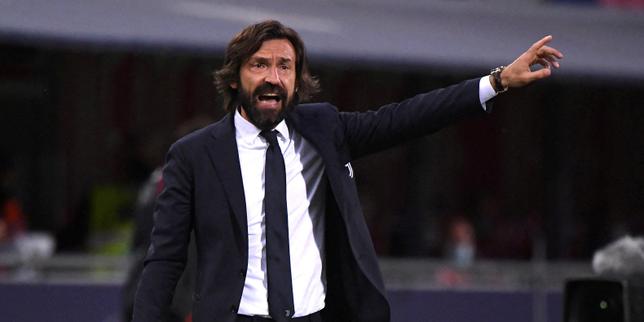
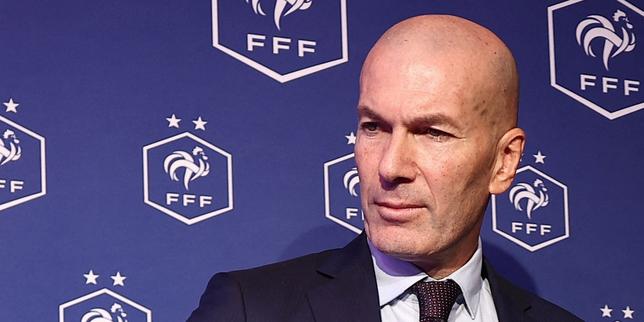
Zinedine Zidane is stepping into the most scrutinized dugout in international football, preparing to take charge as the France head coach with the entire weight of a restless footballing superpower resting squarely on his shoulders. The appointment marks the end of a long, quiet war of succession with the French Football Federation, concluding months of speculation over when, rather than if, the legendary playmaker would inherit the national team from Didier Deschamps. Zidane arrives with three consecutive Champions League trophies on his resume and an aura matched by very few men in the history of the sport. Yet, managing club football's greatest dynasty is a fundamentally different craft than steering a country through the psychological minefield of an international tournament cycle.
The timeline of this transition has been fraught with political maneuvering behind closed doors in Paris. For years, the federation kept Deschamps at the helm through various contract extensions, largely because winning shields a manager from almost all internal dissent. But the appetite for Zidane never faded among supporters or the players who grew up idolizing him. When Zidane walked away from Real Madrid for the second time in 2021, the path seemed clear. Instead, a protracted holding pattern ensued, leaving Zidane out of management while he waited for a call that took years to materialize.
Now that the keys to Clairefontaine are finally his, the romantic narrative of the prodigal son returning to save or elevate the nation masks a much more complicated reality. France is not broken, but it is deeply fatigued. The expectations surrounding Les Bleus are uniquely punishing, fueled by an talent pool that remains the envy of the entire globe. Zidane takes over a squad that reached consecutive World Cup finals, winning one and losing the other by the narrowest of margins in Qatar. Following a titan like Deschamps means stepping into a culture of pragmatism, defensive solidity, and relentless tournament efficiency.
The Myth of the Unbeaten Aura
Zidane built his managerial reputation on an invisible currency. Managerial aura matters immensely in top-tier football, but it depreciates rapidly when results turn sideways. At Real Madrid, his primary weapon was not a revolutionary tactical blueprint or an obsessive obsession with positional rotations. He managed egos. He convinced superstars to accept rotation, placated players who wanted to leave, and created an environment of supreme psychological safety.
International football offers none of the structural luxuries of a superpower club. Zidane will not have months to work with his players on the training ground. He will see them for a handful of days before crucial qualification fixtures, relying on short camps to install tactical concepts and restore emotional equilibrium. The dressing room he inherits is also drastically different from the one he left in Madrid. The old guard of serial winners has largely yielded to a younger, intensely vocal generation of players who operate in a modern media ecosystem that Zidane historically avoided whenever possible.
During his tenure at Real Madrid, Zidane famously spent media appearances deflecting controversy with a calm, stoic charm. That strategy will face a severe stress test in France, where the sporting press corps operates with an aggressive, microscopic scrutiny. The French sports media does not simply analyze matches; it investigates cultural subtexts, club versus country loyalties, and locker-room politics with terrifying intensity.
Tactical Evolution and the Post-Deschamps Era
Deschamps mastered the art of winning ugly when necessary, prioritizing functional structure over aesthetic purity. His teams absorbed pressure, defended deep with extraordinary discipline, and relied on generational individual brilliance to unlock matches in the final third. Zidane coached Real Madrid with a similarly pragmatic philosophy disguised beneath an attacking pedigree. His sides were fluid, often relying on staggering individual quality from players like Karim Benzema, Luka Modric, and Toni Kroos to solve complex defensive riddles on the pitch.
Replicating that dynamic with France requires a distinct tactical pivot. Without the daily repetition of club training, national team managers must lean heavily on simplified frameworks that maximize the strengths of their core players without demanding months of automation.
- Midfield Restructuring: Finding a permanent successor to the Paul Pogba and N'Golo Kante axis remains the single biggest challenge for French footballing infrastructure.
- The Kylian Mbappe Factor: Managing the tactical gravity of a player who demands absolute freedom while maintaining collective balance is the ultimate test of authority.
- Defensive Regeneration: Transitioning away from older defensive stalwarts toward younger profiles without sacrificing tournament-level resilience.
Zidane must find a way to integrate emerging midfield talent while keeping the tactical floor exceptionally high. International tournaments are won by teams that minimize self-destruction, and Zidane's previous career suggests he trusts players to solve problems organically rather than enforcing rigid tactical dogmas. Whether that hands-off approach translates to a national team setup where training hours are scarce is one of the most compelling questions facing European football.
The Cultural Weight of the Tricolore
Beyond the tactics and the training ground, managing France is an exercise in cultural diplomacy. The national team acts as a mirror for the social complexities of the country itself. Every squad selection, every press conference quote, and every tactical decision is dissected through socio-political lenses that stretch far beyond the white lines of the pitch.
Zidane understands this better than almost anyone. As a World Cup winner in 1998 and a national icon of Algerian descent, his personal story is woven directly into the modern fabric of French identity. That symbolic power provides him with an initial reservoir of goodwill that few mortals could ever dream of possessing. But symbolism has an expiration date in elite sports. The moment Les Bleus stumble against a lower-ranked opponent in a European Championship qualifier, the historical reverence will vanish beneath a wave of pragmatic critique.
The dressing room dynamics also require immediate stabilization. Deschamps navigated several generational shifts and subtle internal frictions with a masterclass in psychological management. Zidane must command the exact same level of absolute respect from players who earn astronomical sums and command global brands. The days when a manager could rule purely through historical stature are long gone. Modern footballers respect competence, tactical clarity, and emotional intelligence above all else.
The Shadow of 1998
Every French manager labors under the ghost of the golden generation. The men who conquered the world in 1998 and 2006 are now the primary voices in broadcast studios, print columns, and pundit circles. Zidane is stepping into a fishbowl where his former teammates will critique his every substitution and tactical tweak on live television.
This creates a peculiar internal pressure. Zidane is not merely judged by the objective metric of wins and losses; he is measured against his own legendary status as a player. When a team loses under his watch, the criticism carries a sharper, almost personal sting from analysts who shared the pitch with him decades ago. It is a lonely burden, one that even his three Champions League medals cannot completely insulate him against.
The immediate horizon offers no gentle runway. Qualification campaigns demand efficiency, and upcoming tournaments will test whether his charismatic style of leadership can translate into the high-stakes, single-elimination environment of international football. The honeymoon period, if one exists at all, will be measured in weeks.
Zidane wanted this job for years, waiting patiently through endless rumors and rejected overtures while watching others occupy the chair he always believed was rightfully his. Now he has it. The crown is heavy, the expectations are absolute, and the margin for error does not exist.