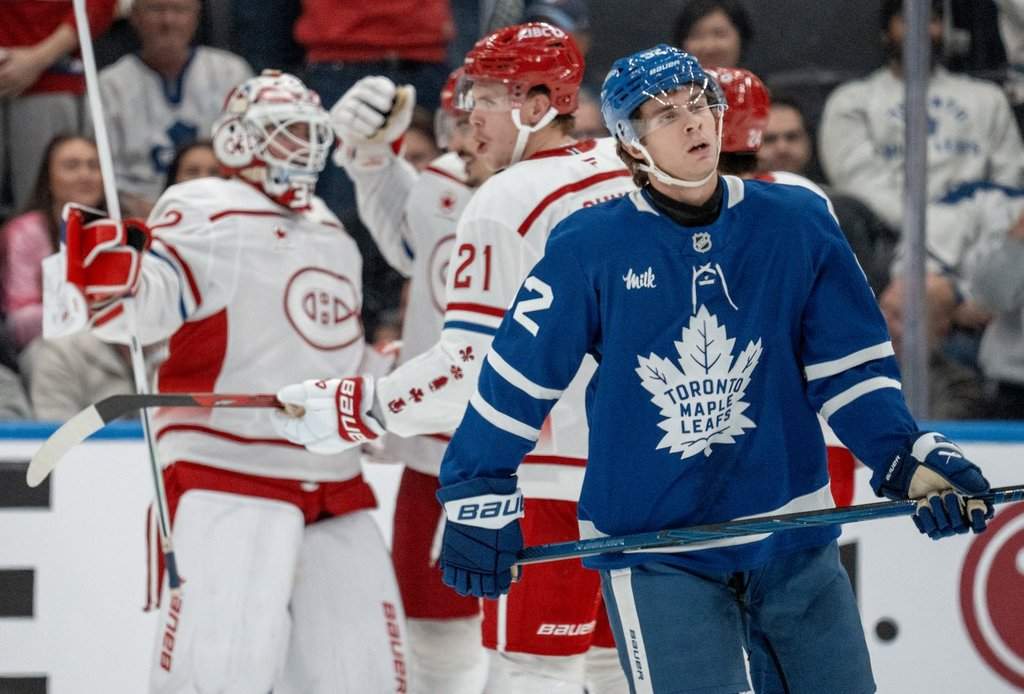
The leather of the glove is cold before the puck even drops.
In professional hockey, the air inside the arena always carries a specific scent—a sharp mix of melting ice, stale sweat, and the distinct, metallic tang of vulcanized rubber hitting fiberglass boards. For a young player trying to carve out a foothold in a league that chews through ambition daily, that air tastes like anxiety.
Consider the anatomy of a Tuesday night that starts on the bench.
The boards are scratched white from thousands of collisions. Through the glass, the world is a blur of flashing sweaters and roaring crowds, a theater of high-stakes motion happening entirely without you. You are an observer with a stick. Your job is to wait. Your job is to stay warm, to keep your legs moving even when your heart rate is spiking and dropping in erratic intervals, and to swallow the burning frustration that comes from being told, silently, that right now, someone else is trusted more.
Benchings do not happen in a vacuum. They are tactical decisions born of desperation or strategy, but to the athlete sitting there, towel draped over the shoulders to keep the muscles from locking up, it feels deeply personal. It feels like a referendum on capability.
Then comes the call.
Coach taps the shoulder. A shift opens up.
There is no time to unpack the previous period's disappointment. The transition from spectator to participant happens in the span of a heartbeat. You vault over the boards, skates biting into the choppy ice, and suddenly you are inside the storm.
The play develops with terrifying speed. NHL ice shrinks under the weight of elite skaters; passing lanes close before the mind can even fully process them. This is where instinct has to override doubt. When a team is sliding—when the collective weight of recent losses hangs heavy over the locker room like a physical fog—every individual action carries an exaggerated gravity.
In a recent matchup for the Toronto Maple Leafs, that precise script played out under the harsh glare of the television lights. A roster fighting to find its rhythm, a young talent finding himself temporarily planted on the bench, and then the inevitable injection back into the lineup.
Hockey is a game of redemption compressed into seconds.
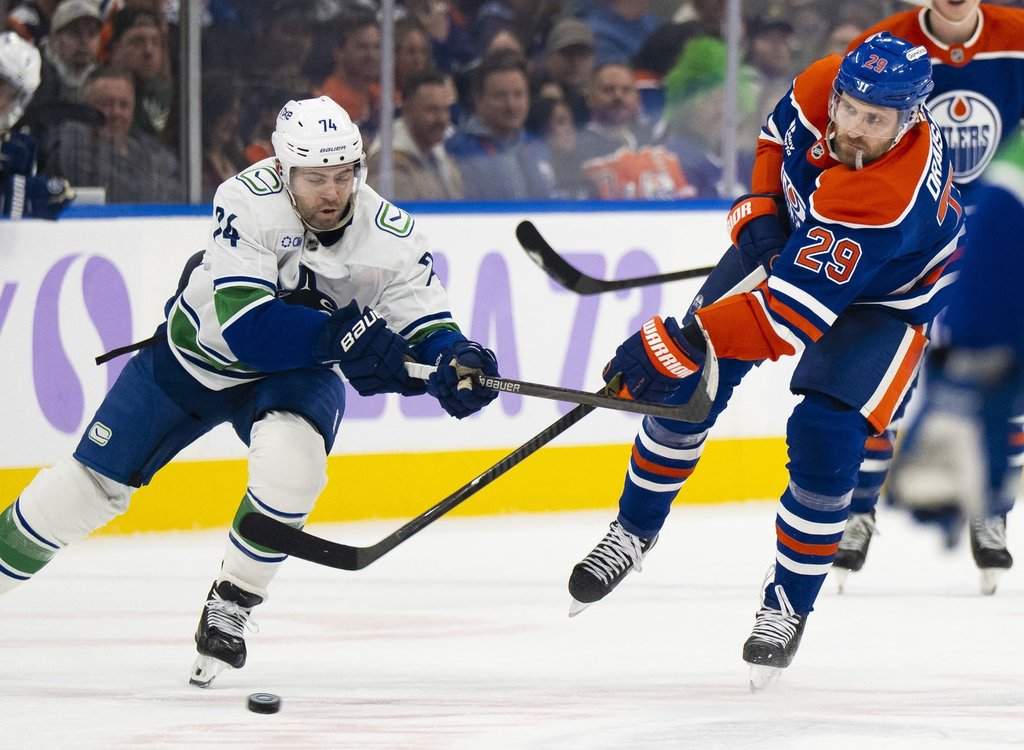
You skate hard into the dirty areas, the corners where the boards rattle your ribs and opposing defensemen use heavy crosses to clear space. You dig for the puck. You don't think about the benching ten minutes ago. You think only about the blade of your stick connecting cleanly with black rubber.
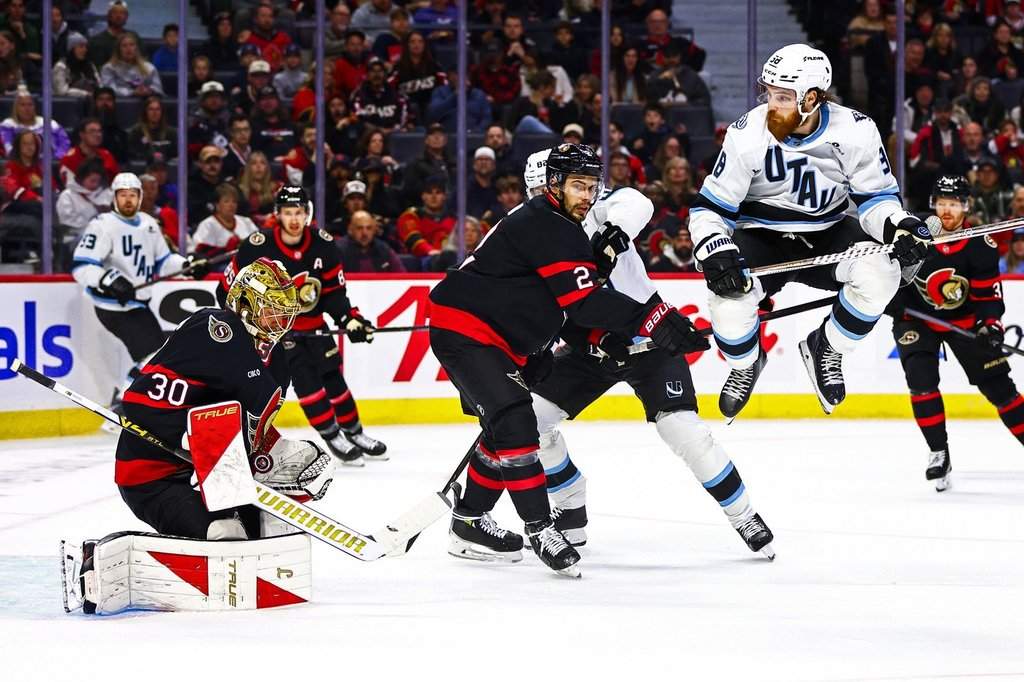
When the puck finally finds its way onto your tape in the slot, time slows down. The roar of twenty thousand people collapses into a muffled hum. The goaltender's pads look enormous, a barricade of leather and plastic blocking the path to glory.
You shoot.
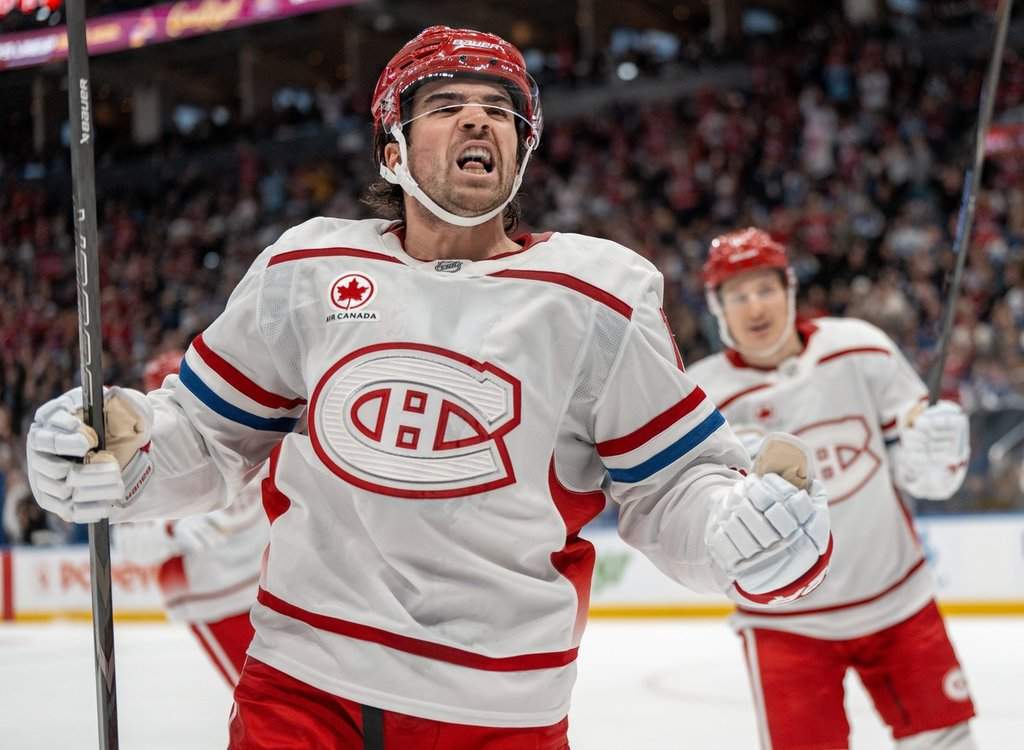
The sound of the puck pinging off the crossbar or burying itself deep into the mesh is instantaneous validation. For a split second, the frustration evaporates. The benching doesn't matter. The slump doesn't matter. There is only the celebration, the sudden rush of teammates collapsing around you in a tangled mess of joy and exhaustion.
Yet, as the celebration fades and you skate back to the center ice dot for the ensuing faceoff, the sober reality of the scoreboard remains. Goals scored in a losing effort are complicated things. They taste sweeter because you earned them through adversity, but they sting because they weren't enough to tilt the final outcome.
This is the relentless cycle of the professional season. It doesn't pause for emotional recovery. The flight leaves tonight. The video session starts tomorrow morning at nine. The coach's notebook is already open, waiting for the next evaluation.
For the player, the takeaway isn't found in the highlight reel or the box score. It is forged in the silent minutes spent staring down at the ice from the bench, waiting for a chance to rewrite the narrative, if only for one shift.