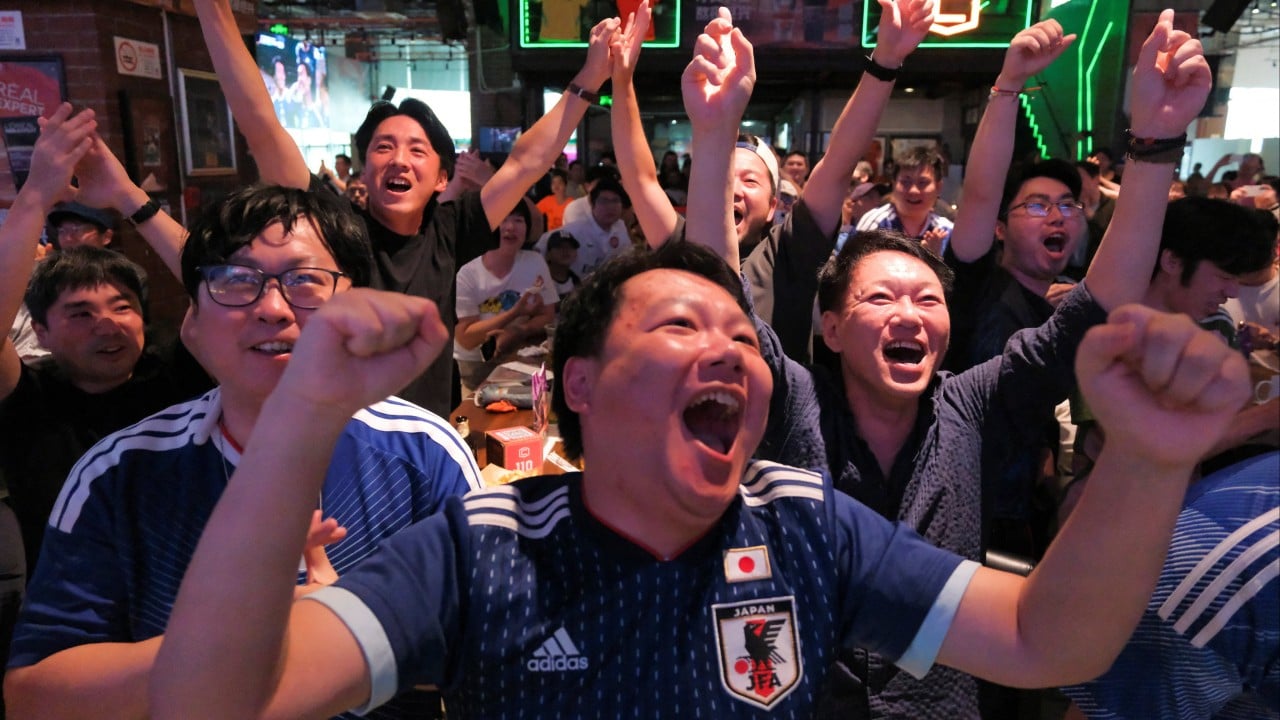
When Morocco defeated Portugal in December 2022 to become the first African and Arab nation to reach a World Cup semifinal, the explosions of joy in the Gaza Strip were louder than any artillery. Thousands of Palestinians poured into the streets of Gaza City, Khan Younis, and Rafah, waving Moroccan flags alongside their own. For a brief moment, the suffocating reality of a blockaded territory evaporated, replaced by a collective euphoria that crossed geopolitical borders.
But this was never just about a soccer match. The widespread celebrations across Gaza exposed a deep, underlying friction between top-down state diplomacy and bottom-up grassroots solidarity in the modern Middle East. While regional governments signed normalization pacts with Israel, the streets of Gaza and the stadiums of Doha proved that the public sentiment toward the Palestinian cause remains fundamentally unchanged. The tournament became a living referendum on regional politics, showing that while leaders can sign treaties, they cannot mandate the affections of their people.
The Mirage of the Abraham Accords
Two years before the tournament in Qatar, Morocco signed the Abraham Accords, normalizing diplomatic relations with Israel in exchange for Washington’s recognition of Moroccan sovereignty over the Western Sahara. On paper, this was a massive shift. It signaled a new era where Arab states would decouple their foreign policy from the unresolved fate of the Palestinians.
The celebrations in Gaza, contrasted with the behavior of the Moroccan national team on the pitch, shattered that narrative.
Every time Morocco won, the players did not just celebrate with their national colors. They hoisted the Palestinian flag. They knelt in prostration, wrapped in a symbol that regional diplomacy had tried to marginalize. For Palestinians living under blockade, this was not mere sports fandom. It was validation. It showed that despite the official signatures in Washington and Rabat, the cultural and emotional ties between the peoples of the region remained intact.
This creates a complex paradox for the Moroccan monarchy. Rabat must balance its strategic, tech-heavy, and military-aligned relationship with Israel against the fierce, deeply rooted pro-Palestinian sentiments of its own populace. The World Cup did not create this tension; it merely brought it to a global stage where it could no longer be ignored by international analysts.
Gaza Under the Lens of Pan-Arab Unity
To understand why a soccer match brought Gaza to a standstill, one must look at the psychological landscape of the strip. Decades of isolation, economic collapse, and recurrent conflict have turned every opportunity for shared Arab triumph into a rare lifeline of connection to the outside world.
During the tournament, cafes in Gaza were packed to capacity. Projectors illuminated bombed-out walls with the images of Achraf Hakimi and Sofiane Boufal. When Morocco won, the celebrations were indistinguishable from those in Casablanca or Marrakech.
+-------------------------------------------------------------+
|               THE DUALITY OF REGIONAL POLITICS              |
+-------------------------------------------------------------+
|  STATE LEVEL (Top-Down)     |  POPULAR LEVEL (Bottom-Up)    |
|                             |                               |
|  * Abraham Accords signing  |  * Widespread flag-waving     |
|  * Strategic normalization  |  * Unifying sports anthems    |
|  * Government-led treaties  |  * Spontaneous street rallies |
+-------------------------------------------------------------+
This phenomenon highlights the enduring power of pan-Arab identity, a concept that many Western policy experts had written off as a dead relic of the 20th century. The tournament demonstrated that while pan-Arab political institutions are largely toothless, the cultural and emotional infrastructure of pan-Arabism is incredibly potent. The shared joy in Gaza was an act of defiance against geopolitical isolation, a statement that the people of Gaza are still part of a larger regional fabric.
The Stadium as a Sovereign Space
In Qatar, the stadiums effectively functioned as spaces free from Western or regional censorship. FIFA’s strict rules against political statements usually keep a tight lid on dissent, but the sheer volume of Palestinian solidarity overwhelmed the apparatus.
- Fans chanted pro-Palestinian slogans in the 48th minute of matches, a nod to the 1948 Nakba.
- Security personnel, largely sympathetic to the cause, looked the other way as massive "Free Palestine" banners were unfurled.
- International broadcast crews, expecting to cover simple sports narratives, were forced to interview fans who consistently redirected the conversation to the occupation.
This groundswell created a stark contrast with the sterile environments where peace treaties are usually signed. It revealed that the street still possesses the power to hijack the global narrative, if only for a few weeks.
The Limits of Sports Diplomacy
It is easy to romanticize these moments, but a critical analysis requires acknowledging their limitations. The flags have been packed away. The tournament ended. The reality on the ground in Gaza returned to its grim equilibrium, which eventually devolved into the catastrophic escalation observed in the following years.
Sports diplomacy provides visibility, but it does not alter structural power dynamics. The Moroccan government did not tear up its agreements with Israel because its football team carried a Palestinian flag. The blockade on Gaza did not loosen.
"Symbols are potent, but they do not dismantle concrete walls or alter military budgets."
The real takeaway from the Gaza celebrations is not that sports can achieve peace, but that sports can expose the fragility of political constructs. The Abraham Accords were marketed as a transformative shift that would rewrite the psychology of the Middle East. The events in Doha and the subsequent euphoria in the Palestinian territories proved that these treaties are elite pacts, lacking the deep cultural buy-in required to make them genuine peace agreements.
The Corporate Dilemma and the Changing Media Guard
The tournament also marked a definitive shift in how media from the Global South bypasses traditional Western journalism filters. For decades, the narrative surrounding Palestinian sentiment was managed through major international broadcasters. In Qatar, social media and direct fan-to-fan communication allowed the unfiltered sentiment of the Arab street to broadcast itself directly to millions of screens worldwide.
Western networks frequently struggled to contextualize why a match between Morocco and Spain carried such heavy anti-colonial undertones for the crowd. They treated the presence of the Palestinian flag as an anomaly rather than the central thematic thread of the entire tournament for Arab viewers. This disconnect highlighted a growing gap between Western editorial rooms and the actual dynamics driving public passion in the global soccer community.
The corporate sponsors of the World Cup found themselves in a difficult position. Brands that value corporate neutrality were tied to an event that became highly politicized at the grassroots level. Yet, the commercial success of the tournament proved that political expression from fans and players does not deter viewership; if anything, it deepens the emotional stakes of the competition.
The legacy of Morocco's run is not merely found in the record books. It lives in the realization that regional integration cannot be achieved solely through economic transactions and security arrangements managed by political elites. True stability requires addressing the core grievances of the populations involved. Until that happens, the passions that erupted in the streets of Gaza will continue to find an outlet, turning every stadium, court, and pitch into a battlefield for the soul of the region.