Defense aerospace has fallen in love with a dangerous fairytale.
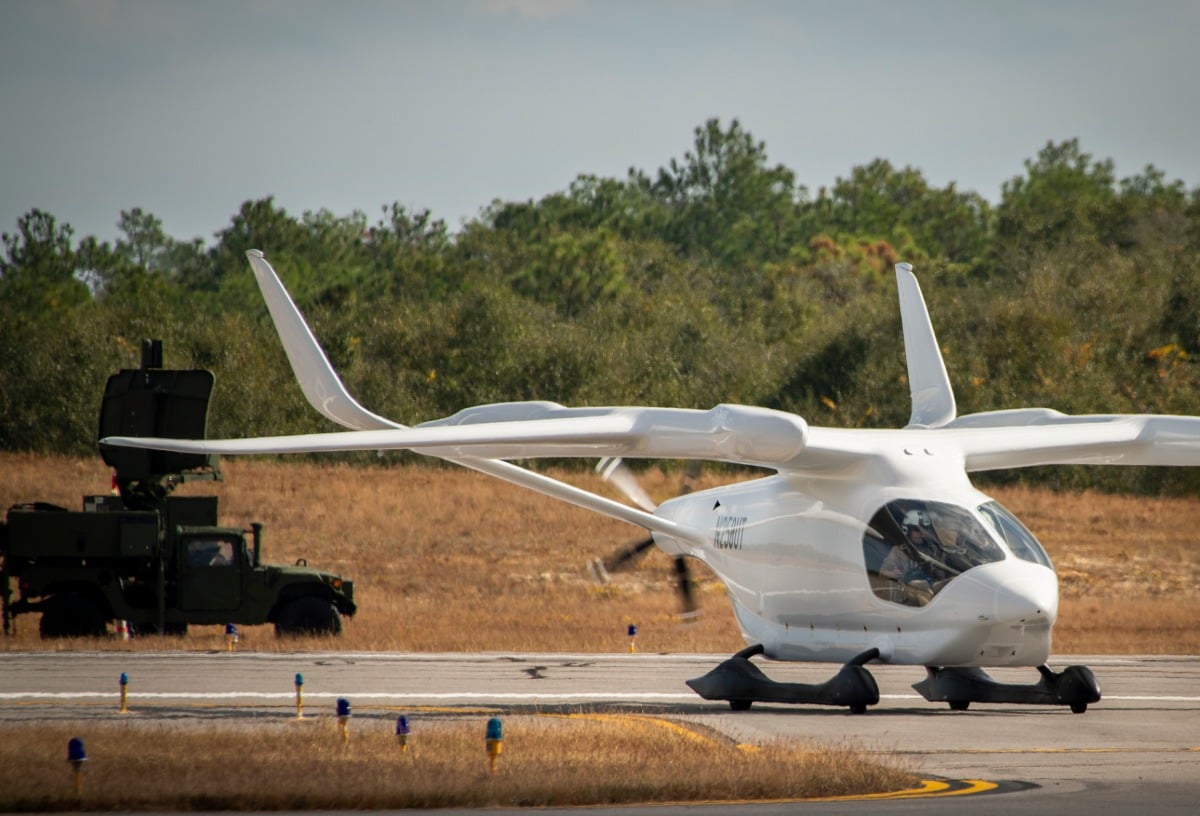
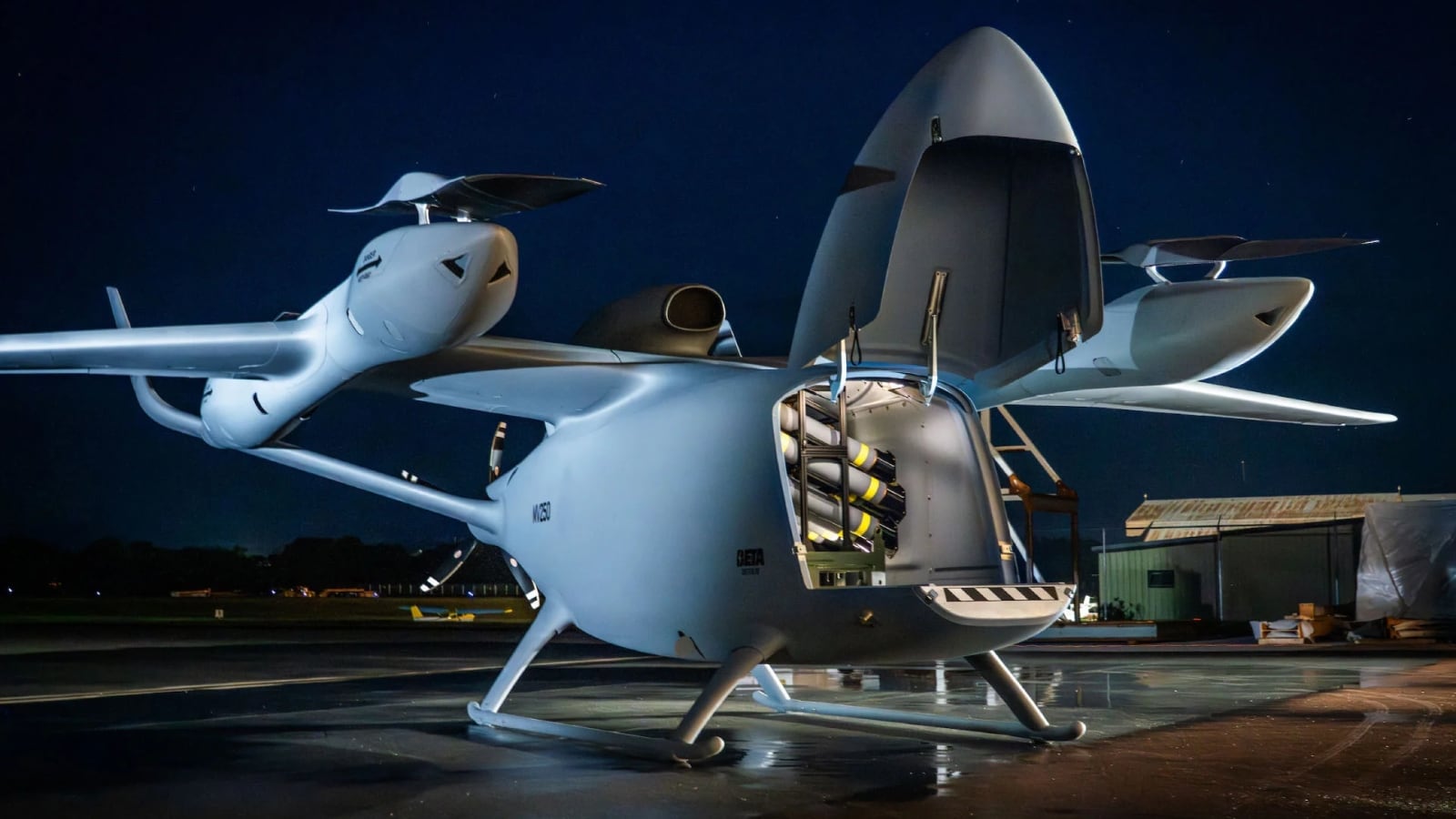
When Sikorsky announced it was slapping its MATRIX autonomy software onto BETA Technologies’ MV250 hybrid-electric VTOL at the Farnborough Airshow, the industry applauded. The press releases practically wrote themselves: modular architecture, zero pilot risk, 1,300-nautical-mile ferry range, and cheap 2,000-pound tactical payloads delivered straight to the edge of contested airspace.
It sounds brilliant on a PowerPoint slide. It looks slick in test-range demonstrations over peaceful Vermont fields or controlled NATO exercises.
It is also an operational delusion.
I have spent years analyzing force sustainment, defense procurement blunders, and the cold, unyielding physics of military logistics. Pushing an autonomous, software-stacked hybrid VTOL into a true peer-vs-peer fight against modern anti-access/area-denial (A2/AD) networks will not revolutionize military resupply. It will give enemy air defense operators high-tech target practice while starving front-line squads of the basic rations and ammunition they were promised.
Defense primes keep trying to software-solve structural hardware and spectrum realities. Until defense planners confront the physics of contested airspace, platforms like the MV250 are little more than expensive toys built for yesterday's counter-insurgency doctrine.
The Flaw in the Attritable Payload Myth
The current consensus in military logistics hinges on a single concept: "attritability."
The logic goes that if an aircraft lacks a human cockpit, it becomes inherently cheaper, expendable, and acceptable to lose on high-risk missions. Defense commanders assume they can dispatch autonomous delivery drones across contested islands or contested forward positions without blinking when half of them get shot down.
This assumption crumbles the moment you analyze the actual bill of materials and logistics footprint.
The BETA MV250 is not an off-the-shelf $500 quadcopter. It relies on a complex series-hybrid drivetrain pairing an 800-volt high-voltage battery architecture with a GE Aerospace CT7/T700-based turbogenerator producing up to 1.3 megawatts. That is a sophisticated, highly engineered power plant.
When you pair that propulsion stack with Sikorsky’s MATRIX suite—a dense array of LIDARs, optical sensors, radar systems, and mission computers—you are no longer flying a cheap, disposable delivery van. You are flying a multi-million-dollar asset loaded with specialized microchips, custom power electronics, and sensitive high-voltage components.
- The Replacement Trap: Losing a 2,000-pound payload aircraft every three sorties in a high-intensity conflict isn't attritable sustainment. It is a rapid drain on advanced manufacturing pipelines.
- The Component Bottleneck: When an autonomous hybrid VTOL goes down in combat, you do not just lose a crate of 5.56mm ammo. You lose high-grade turbine blades, specialized inverters, and flight-control computers that take eighteen months to source and manufacture.
- The Field Repair Nightmare: Stripping a cockpit out of an aircraft does not simplify field maintenance. Forward-deployed mechanics who can barely keep a humvee running in the mud cannot diagnose an intermittent fault on an 800V bus or re-calibrate optical sensor arrays after a hard landing on uneven dirt.
If a platform costs millions to build, months to replace, and requires specialized technicians to keep airworthy, calling it "attritable" is defense industry marketing, not military strategy.
The Spectrum Spectrum Denial Reality
Proponents of the Sikorsky-BETA partnership point to MATRIX’s autonomous capabilities as the antidote to human pilot vulnerability. MATRIX allows an operator to hit a few buttons on a tablet and send an uncrewed MV250 darting across 250 nautical miles of dangerous terrain.
This assumes the radio frequency spectrum remains functional. It will not.
In a peer conflict against electronic warfare (EW) environments, the electromagnetic spectrum does not merely experience light degradation. It gets completely scrubbed.
Standard Autonomous Logistics Flight:
[Ground Control] --(RF Command Link)--> [VTOL Aircraft] --(GPS Navigation)--> [Target Zone]

Contested EW Environment Flight:
[Ground Control] - - - (BLOCKED) - - - > [VTOL Aircraft] - - - (GPS JAMMED) - - - > [LOST / DEGRADED]
Advocates argue that MATRIX solves this because it features fully autonomous flight modes that operate without GPS or continuous ground-control links. The aircraft uses onboard vision and optical sensors to navigate visually.
However, optical navigation relies on environmental clarity. Smoke, intentional fogging, bad weather, active optical dazzlers, and high-energy laser threats turn visual navigation sensors into blind spots.
More importantly, command intent changes mid-flight in active combat zones. If a forward unit moves position because their ridge line was compromised five minutes ago, an autonomous aircraft operating in radio silence will fly straight into a compromised zone and drop ammunition for an enemy squad.
If you restore the data link to update the mission profile in real-time, you immediately illuminate the aircraft’s location to enemy passive radio direction finders. The moment that hybrid VTOL broadcasts an RF signature to confirm its landing zone, a ground-based air defense network locks on and fires.
The Fuel and Thermal Signature Problem
Another line of defense from proponents is the MV250's operational flexibility. By burning standard military fuels like JP-8 and JP-5 via its onboard GE turbogenerator, it bypasses the need for specialized electrical charging stations in austere environments.
That solves a battery logistics headache while creating a massive tactical vulnerability: thermal signature.
Electric aircraft are marketed as quiet, low-observable platforms. But when you bolt a 1.3-megawatt gas turbine turbogenerator onto a hybrid VTOL to recharge its batteries in mid-air and maintain cruise speed above 170 knots, you eliminate the quiet, thermally cold signature that made electric VTOLs attractive in the first place.
A gas turbine generating hundreds of kilowatts in forward flight produces an unmistakable infrared (IR) plume. Modern shoulder-fired surface-to-air missiles (MANPADS) do not care whether an aircraft has a human pilot inside or a computer chip running MATRIX software. They home in on heat.
An aircraft flying a predictable, automated altitude path at 170 knots with a roaring gas turbine overhead becomes an absurdly easy target for low-cost, heat-seeking missiles. You end up trading an expensive human pilot for a guaranteed loss of high-end autonomous hardware on every second flight path into an active hot zone.
The Real Solution to Contested Logistics
Dismantling this unmanned hybrid VTOL trend does not mean abandoning autonomous supply lines altogether. It means admitting that trying to turn light, complex civil aircraft designs into front-line military cargo platforms is a fundamentally flawed approach.
If military planners actually want to solve the contested logistics challenge, they must abandon the chase for multi-purpose, high-tech hybrids and split the problem into two distinct categories: ultra-low-tech expendable systems and heavy armored transport.
1. Ultra-Low-Tech, Single-Use Gliders and Drones
Stop trying to bring the aircraft back. If a forward unit needs critical supplies in a jammed, high-threat zone, the delivery platform should cost less than the cargo inside it.
- Plywood and Foam Gliders: Unpowered, precision-guided wooden gliders air-dropped from high-altitude transport planes miles away from enemy air defense bubbles. They have zero electronic RF emission, zero thermal signature, cost thousands instead of millions, and require zero field maintenance because they are abandoned on landing.
- Single-Engine Expendable Drones: Cheap, single-use airframes driven by basic lawnmower-style internal combustion engines that follow hardcoded, non-jammable inertial routes. If EW jams them, they crash; if they make it, the squad takes the cargo and strips the engine for spare parts or generators.
2. High-Payload, Heavily Armored Heavy Lift
For massive payload requirements across wide maritime areas, civil-derived VTOL airframes lack the survivability and cargo density required for war.
Instead of building light hybrid platforms, invest in autonomous versions of high-capacity, heavy-lift airframes or long-range sub-surface autonomous vessels (USVs). Moving ten tons of fuel and munitions underwater or via low-observable heavy-lift systems offers an exponentially higher survival probability than flying light 2,000-pound loads through missile-dense skies.
What Aerospace Executives Will Not Tell You
The rush to celebrate the integration of Sikorsky MATRIX on the BETA MV250 is driven by commercial incentives, not tactical realities.
Defense contractors are desperate to capture dual-use defense spending to subsidize their commercial eVTOL research and development costs. Commercial air taxi markets face regulatory delays, certification hurdles, and uncertain unit economics. The military, with its urgent "contested logistics" buzzword funding, offers an open checkbook.
By dressing up commercial electric and hybrid airframes in matte olive paint and loading autonomy suites onto their flight-control architectures, aerospace companies can keep their engineering teams funded while claiming to revolutionize warfighting.
Sikorsky’s MATRIX is an impressive achievement in flight-control software and open system architecture. BETA Technologies builds incredible, innovative electric aircraft. But combining them into a hybrid-electric military cargo drone does not magically negate the threat of electronic warfare, infrared missiles, and maintenance bottlenecks.
Planners can keep running optimistic flight tests in clear skies and uncontested airspace. But when the first real peer conflict begins, these delicate, high-tech hybrid platforms will be grounded by spectrum denial or blown out of the sky before their first 2,000-pound delivery ever hits the ground.


:max_bytes(150000):strip_icc():focal(749x0:751x2)/Arnold-Schwarzenegger-Joseph-Baena-032926-a90f8d3315fc44a6aebc6d7bb44bda01.jpg)