Most people watching the war in Ukraine still look at maps of Donbas and the Black Sea. They're looking in the wrong place. On November 22, 2026, Ukrainian naval drones struck and sank the Merkury—one of Russia's newest Steregushchiy-class corvettes—while it sat moored at the Benghazi Naval Base in eastern Libya. Hours later, Ukrainian forces hit the sanctioned Russian dry cargo ship MV Angara off the Libyan coast.
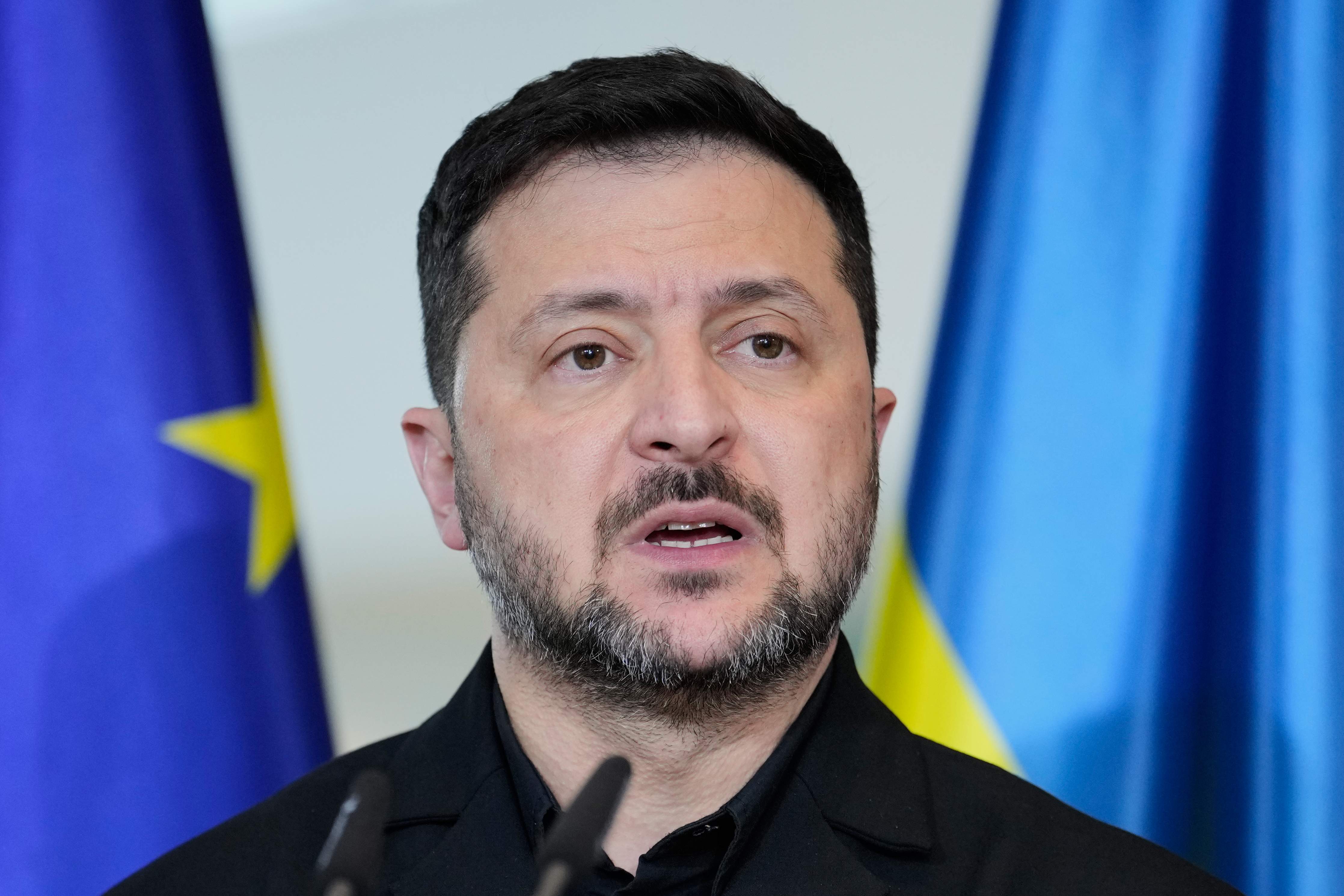
President Volodymyr Zelenskyy confirmed the operation on November 23, calling it "exemplary". That single strike, executed more than a thousand miles from Ukrainian soil, shattered the assumption that Moscow's Mediterranean and African supply lines sit safely outside the war zone. Yet while Kyiv celebrated a massive tactical victory, the strike immediately triggered a diplomatic firestorm across Europe and North Africa over international maritime law.
What Actually Happened at the Port of Benghazi
Standard wire reports treat this as a simple naval skirmish. It wasn't. It was a multi-layered operation coordinated across thousands of miles of open water, involving seven Ukrainian-made naval drones.
According to Libya's eastern-based military officials affiliated with the Libyan National Army, air and harbor defenses intercepted at least four drones before two broke through and slammed into the Merkury. Ukraine's Security Service (SBU), which ran the operation alongside the armed forces, noted that the drones were launched from a "mother ship" operating in the region.
The impact wasn't just cosmetic. Maritime risk intelligence firm Ambrey reported that secondary explosions at the Benghazi base were likely caused by ammunition detonating directly inside the Russian warship. By the time local civil defense crews extinguished the flames, the corvette—commissioned in 2023—had capsized and sunk, taking a Ka-27 military helicopter down with it. At least 10 Russian and Libyan personnel were wounded, and two Libyan naval officers reportedly died from their injuries.
In a separate strike the same day, Ukrainian sea drones hit the MV Angara just outside the port. The Angara isn't a random merchant ship. It's been under U.S. and international sanctions for illegally hauling weapons for Moscow. Zelenskyy stated plainly that Russia was using the vessel to move arms, making it a primary target in Kyiv's wider campaign to choke off Russian logistics.
Why Russia Was in Benghazi in the First Place
To understand why Ukraine risked international backlash to hit a ship in North Africa, you have to follow Russia's African supply chain.
Since losing total freedom of movement in the Black Sea, the Kremlin has leaned heavily on its Mediterranean ports and African footholds to move weapons, mercenaries, and sanctioned goods. Eastern Libya—controlled by Khalifa Haftar's Libyan National Army and a rival administration based in Benghazi—has become a vital logistics hub for Moscow.
Eastern Libyan authorities claimed the Merkury had simply docked to refuel and take on supplies under an existing bilateral defense cooperation agreement. Other intelligence accounts tell a sharper story. They indicate the corvette arrived days earlier while escorting Russian vessels delivering weapons directly to the Libyan National Army.
The strike sent an immediate shockwave through Moscow's naval command. According to tracking from Naval News and Reuters, a separate five-vessel Russian military flotilla in the Mediterranean—escorted by the frigate Admiral Golovko and carrying military vehicles toward Libya—abruptly reversed course on November 22 following the Benghazi explosions. One drone strike didn't just sink a warship. It forced the Russian Navy to rethink whether its ships are safe anywhere in the Mediterranean.
The Legal Minefield Behind Neutral Ports
Here is where the story gets messy, and where most surface-level coverage misses the real friction. Militarily, the Merkury was an indisputable target. Under the Department of Defense Law of War Manual and the San Remo Manual, enemy warships are military objectives by nature. Their status doesn't change if they're refueling, escorting cargo, or sitting idle.
Location is the problem. Benghazi is a port in a neutral state.
Under the 1907 Hague Convention XIII governing naval neutrality, belligerent nations are strictly forbidden from carrying out acts of hostility inside neutral ports or territorial waters. Legal scholars like Michael Schmitt and Rob McLaughlin, writing for Just Security, point out a critical catch. The same 1907 treaty bars a warring nation's warship from staying in a neutral port for more than 24 hours unless forced to remain by severe weather or mechanical damage.
The Merkury had reportedly been sitting in Benghazi for several days. That overstay violated neutrality rules, unless local Libyan legislation specifically permitted a longer visit. Even then, international maritime law experts like James Kraska note that attacking a vessel inside a neutral harbor—within 12 nautical miles of the coast—generally crosses the line into a violation of neutrality. Kyiv's defense rests on the argument that Russian warships transporting weapons used against Ukraine remain legitimate targets regardless of where they hide, and that Libya failed to enforce its own neutrality by letting Moscow use Benghazi as a military logistics base.
Why European Allies Are Furious Behind Closed Doors
If you think Western capitals uniformly cheered the sinking of a Russian corvette, think again. The strike exposed a massive rift between Kyiv's aggressive global strategy and Europe's fear of regional blowback.
Libya isn't a unified country. It's split between a UN-recognized Government of National Unity in Tripoli and the eastern administration in Benghazi. Both sides condemned the attack. The eastern government filed formal complaints with the UN Secretary-General and the Security Council demanding an investigation into whether Ukrainian drone specialists staged the attack from western Libya. Meanwhile, the Tripoli-based government recalled its ambassador to Ukraine and demanded explanations, insisting Libyan waters cannot be turned into a proxy battlefield.
Rome took the news even worse. According to diplomatic reporting, Italian Prime Minister Giorgia Meloni confronted Zelenskyy during a tense phone call on November 27. Italy relies heavily on energy infrastructure and stability in Libya and fears that destabilizing eastern Libya will trigger retaliatory migration waves across the Mediterranean or attacks on Italian energy firms operating in the region.
Zelenskyy had initially suggested Ukraine coordinates naval operations with partners near whose infrastructure it operates. Rome flatly denied getting any heads-up, and Zelenskyy later acknowledged the Benghazi raid was executed without coordinating with European allies. Germany echoed those concerns, warning against widening the geographic footprint of the war.
What You Should Watch For Next
This isn't an isolated event. Over a 12-day span in November 2026, Ukrainian drones struck five Russian vessels stretching from the Baltic Sea down to the Mediterranean. Kyiv has made a calculated bet that stretching Russia's naval defenses across three separate maritime theaters is worth the diplomatic friction with Western partners.
If you're tracking how this war evolves into 2027, stop watching only the front lines in eastern Europe and keep your eyes on three specific indicators:
- UN Security Council filings on Libya: Watch how Western members handle the eastern Libyan complaint. If Washington, London, and Paris quietly block a formal censure, it signals tacit approval for Ukraine's global maritime campaign despite public complaints from Rome and Berlin.
- Russian naval escorts in the Mediterranean: Track whether the Admiral Golovko flotilla attempts another run into Benghazi or Tartus, or if Moscow reroutes African weapons shipments through slower, costlier air bridges.
- Commercial shipping insurance rates: Follow maritime risk premiums in the central Mediterranean. When military drones start hitting cargo vessels like the MV Angara alongside warships, commercial insurers raise rates immediately, putting direct economic pressure on every port state in the region.
Ukraine just proved that a country without a traditional navy can project lethal force across continents using cheap, unmanned boats. Moscow's fleet no longer has a safe harbor anywhere within reach of open water.