A $500 hobby drone just killed a $10 million tank. If that sentence doesn't make you rethink everything you know about national security, you aren't paying attention. For decades, Western militaries—Australia’s included—obsessed over "exquisite" platforms. We wanted the stealthiest jets, the biggest destroyers, and the most complex sensors. We assumed quality would always beat quantity. Ukraine just set that assumption on fire.
The war in Eastern Europe isn't just a regional scrap; it's a brutal classroom for the Australian Defence Force (ADF). We're watching the democratization of air power in real-time. You don't need a multi-billion dollar aerospace industry to control the skies anymore. You just need a soldering iron, some Chinese-made rotors, and a lot of guts.
Australia's geography usually keeps us safe, but the "tyranny of distance" is shrinking. If we don't adapt to the lessons of the Donbas, we're basically bringing a knife to a drone fight.
The end of the exquisite era
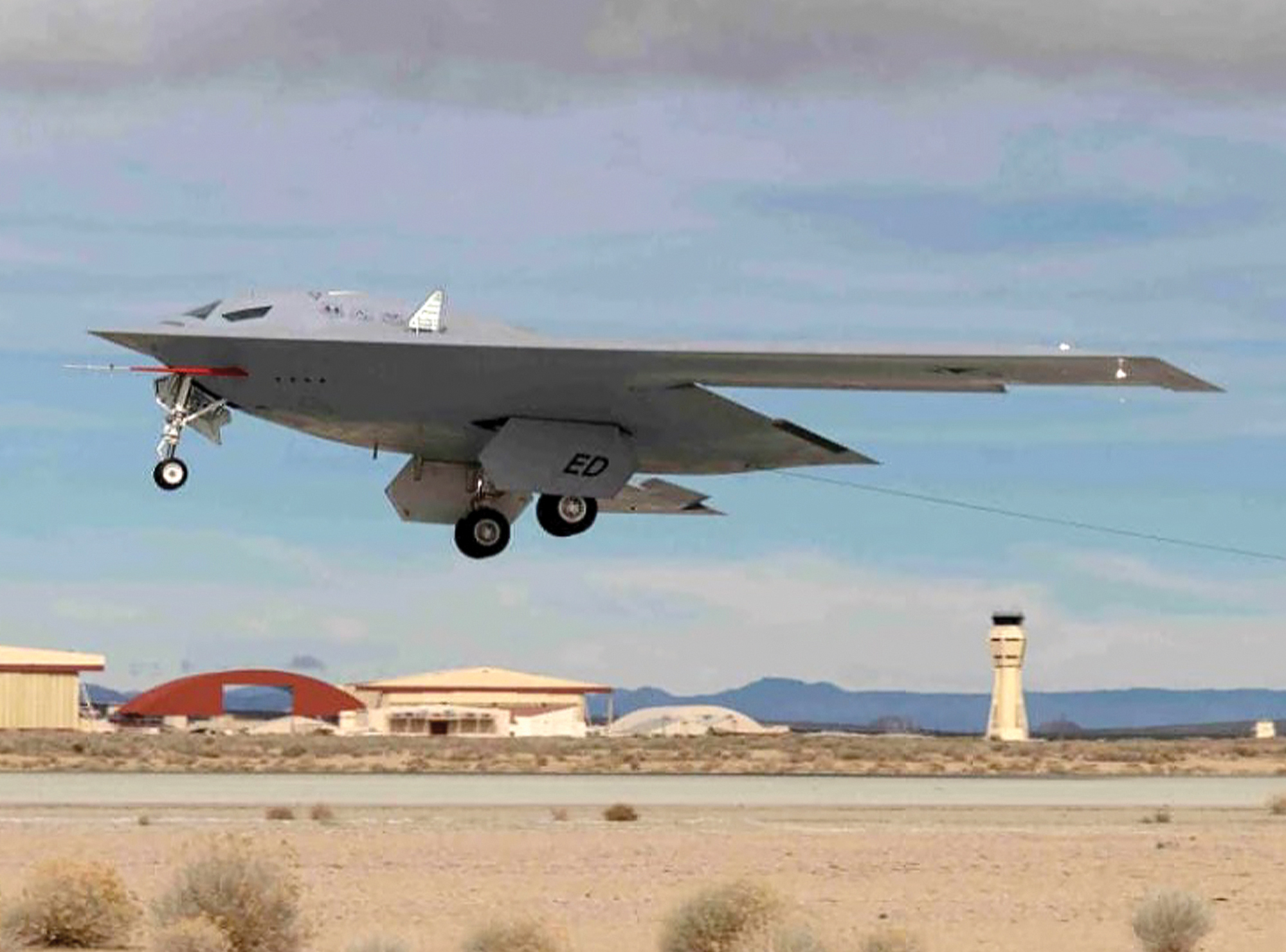
Military procurement in Australia has historically been slow. We plan for decades and spend billions on a handful of high-end assets. Think about the Hunter-class frigates or the F-35 Lightning II. These are incredible machines, but they’re also massive targets.
Ukraine shows us that quantity has a quality all its own. When you can lose 10,000 drones a month—as Ukraine reportedly has at various stages—you can't rely on a fleet of twelve "perfect" aircraft. You need mass. You need "attritable" systems, which is just a fancy way of saying equipment you can afford to lose.
The math of asymmetric warfare
Let’s look at the numbers. A Russian Tor missile system costs roughly $24 million. A standard First-Person View (FPV) drone, rigged with a thermal camera and an RPG warhead, costs about $500. You could launch 48,000 drones for the price of one missile system.
Even if 99% of those drones get jammed or shot down, that one remaining drone just needs to hit a fuel line or an open hatch. That's a return on investment that no traditional general can ignore. For Australia, this means we should stop worrying about whether we have the "best" drone in the world and start worrying about whether we have enough of them.
Building the northern drone wall
Australia isn't Ukraine. We don't share a 1,200-kilometer land border with a hostile neighbor. We have the ocean. This changes the hardware but not the logic.
Experts at the Australian Strategic Policy Institute (ASPI) have been banging the drum for a "drone wall" across our northern approaches. Imagine thousands of small, autonomous sensors and strike craft—in the air, on the surface, and underwater—creating a persistent, unblinking eye over the Arafura Sea.
Ghost Sharks and Bluebottles
We’re actually doing some of this right. The Ghost Shark, an extra-large autonomous undersea vehicle (XL-AUV) being built by Anduril Australia, is a huge win. It’s modular, it’s stealthy, and it doesn't need a human crew to sit in a metal tube for three months.
Then you’ve got the Ocius Bluebottle. These are solar and wind-powered surface drones that can stay out at sea for months, acting as a picket line for our navy. These aren't just cool gadgets; they’re the future of maritime denial. If an adversary wants to send a fleet toward Darwin, they should have to fight through a thousand "stinging" drones before they even see a manned Australian ship.
Software is the new frontline
The most shocking thing about Ukraine isn't the drones themselves; it's the code. Battlefield adaptation is happening in days, not years. If Russia updates their electronic warfare (EW) to jam a specific frequency, Ukrainian engineers rewrite their flight software by lunchtime.
Australia’s current procurement cycle moves at the speed of a glacier. We spend years writing requirements and decades in "evaluations." Ukraine proves that's a death sentence.
We need a domestic drone industry that functions more like a Silicon Valley startup than a traditional defense prime. This means:
- Open architectures: Stop buying "black box" systems where we can't touch the code.
- Local manufacturing: We can’t rely on global supply chains for parts during a hot war. We need to be 3D printing frames and soldering boards in Adelaide and Brisbane.
- Electronic Warfare (EW) parity: If you don't own the spectrum, your drones are just expensive paperweights.
The human in the loop myth
There’s a lot of talk about "autonomous" swarms, but the reality on the ground in Ukraine is much more human-centric. Drones haven't replaced soldiers; they've given them longer arms.
Piloting a combat drone isn't like playing a video game on your couch. It’s a high-stress, technical job that requires deep integration with artillery, intelligence, and ground troops. The ADF needs to stop treating "unmanned" systems as a niche side-project for the Air Force and start putting them in the hands of every corporal in the Army.
We don't just need drone pilots. We need drone technicians, signal specialists, and data analysts who can sift through the mountain of video footage these machines generate.
What happens next
The Australian government recently announced a $5 billion boost to drone funding, bringing the total decade-long spend to $15 billion. That’s a good start, but money isn't enough. We need a cultural shift in how we think about risk.
If we keep trying to make every drone a "perfect" piece of sovereign technology, we'll fail. We need to embrace the cheap, the fast, and the "good enough."
Your immediate checklist
- Fund the ASCA: Support the Advanced Strategic Capabilities Accelerator to bridge the gap between local tech and the front line.
- Simplify Export Rules: Make it easier for Australian drone companies to sell to allies so they can scale up before we need them.
- Train for Jamming: Every ADF exercise from now on should assume a "denied" environment. No GPS. No easy comms. Just like Ukraine.
The era of the "exquisite" is over. The era of the swarm is here. Australia either leads the way or gets left behind in the dirt.