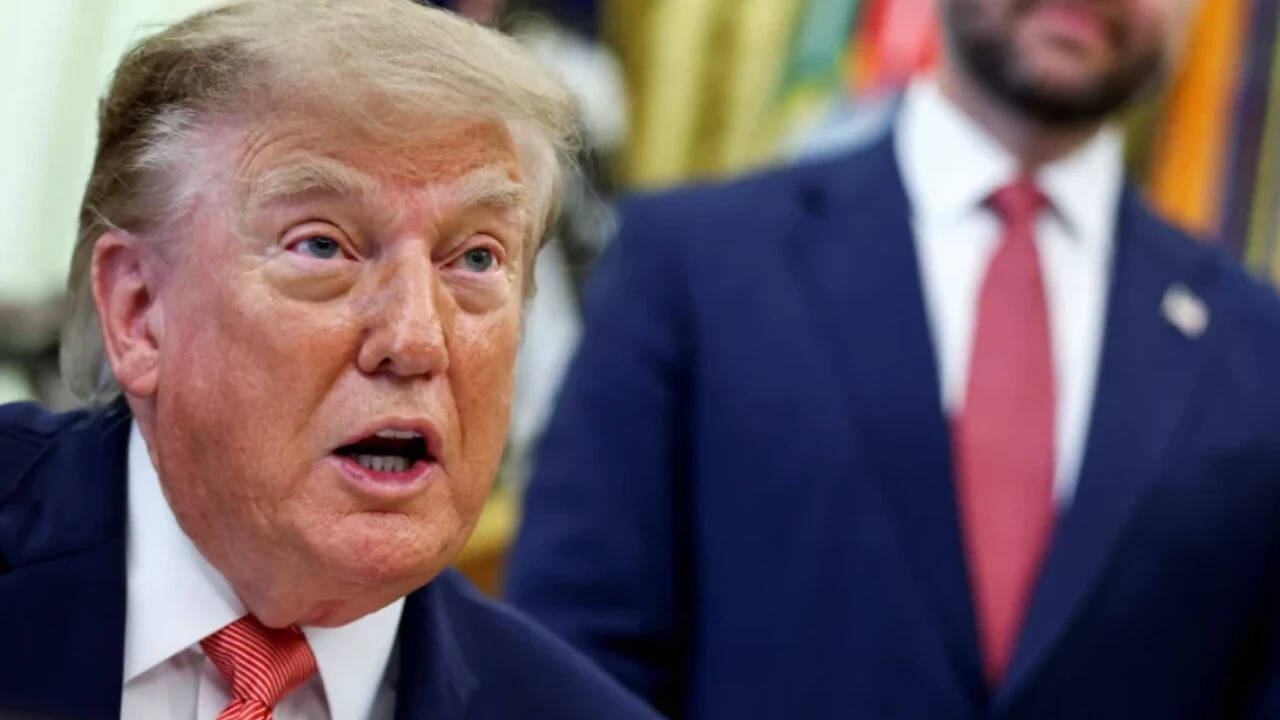
Donald Trump thinks he already won the war with Iran. In a November 2026 Truth Social post that sent shockwaves through Washington and Tehran alike, he declared that the days of negotiating were over. "We don't need a deal with Iran," he wrote. "We've got their money, Hundreds of Billions of Dollars, and we've got their Strait!"
It's a classic Trump move. Frame a messy, unresolved standoff as a total victory, pocket the perceived leverage, and walk away from the table.
There's just one massive problem with this victory lap. Neither Iran's leadership nor the global economy seems to have gotten the memo.
What Trump Actually Meant by Money and the Strait
When you strip away the caps-lock bravado, Trump's statement rests on two real pillars of American pressure. First, Washington holds tens of billions in frozen Iranian assets and has choked off oil revenues through an aggressive naval blockade of Iranian ports that's now stretched past 130 days. According to US military estimates, that blockade alone has already drained at least $25 billion from Tehran's coffers.
Second, there's the Strait of Hormuz. After US and Israeli forces launched strikes against Iran in late February 2026, Tehran retaliated by choking off the narrow waterway, sending global energy markets into a tailspin. Three American carrier strike groups have since moved into the Arabian Gulf to enforce the blockade and assert dominance over the shipping lanes.
In Trump's eyes, holding Tehran's cash while park-marking the Persian Gulf with aircraft carriers means the US holds every card. Why sign a piece of paper when you already control the choke points?
The White House Split Nobody Expected
If you watched the news closely right before Trump's post, you noticed something strange. Just a day earlier, the Wall Street Journal reported that Vice President JD Vance was quietly exploring face-to-face talks with a senior Iranian security official. Vance had even begun signaling distance from how the administration was handling the prolonged conflict.
Trump shut that down immediately. He publicly ordered Vance to drop the diplomatic backchannels and focus strictly on domestic anti-fraud initiatives instead.
That public pivot tells you everything about the internal friction inside the West Wing. One camp sees an unsustainable war bleeding American resources and wants an off-ramp before a new Democratic-controlled Congress takes office on January 3. The other camp, led by Trump himself, refuses to offer Tehran anything that looks like a lifeline.
Why Tehran Isn't Blinking
Secretary of State Marco Rubio summed up Washington's theory of the case pretty bluntly. "The pain that they're feeling is, eventually you have to eat," he told reporters. The International Monetary Fund projects Iran's economy will shrink by 7.6 percent in 2026. By every conventional metric, Tehran is hurting badly.
Yet Iran hasn't budged on its enriched uranium stockpile or its core demands.
I've watched sanctions and blockade strategies play out in the Middle East for years, and policymakers in Washington make the exact same miscalculation every single time. They assume economic misery automatically translates into political capitulation. It rarely works that way when a regime views survival and ideological defiance as the same thing.
Supreme Leader Mojtaba Khamenei and Parliament Speaker Mohammad Bagher Ghalibaf have both rejected what they call a state of "neither war nor peace". Instead of begging for talks, Tehran handed Iraqi mediators a rigid seven-point list of conditions. They want:
- An immediate halt to US bombing campaigns
- Full lifting of the naval blockade on Iranian ports
- Unfreezing of seized Iranian funds
- Broad sanctions relief before any nuclear discussions even begin
Rubio dismissed those demands as "outrageous and ridiculous and really not realistic". Meanwhile, Iranian officials like Vice President Reza Aref are rerouting cargo through northern land borders to bypass the southern maritime blockade altogether. It's clunky and expensive, sure, but it keeps the lights on.
The Hidden Cost of Perpetual Standoff
Trump originally predicted this conflict would wrap up in four to five weeks back in February. Nine months later, the price tag for the United States has already hit $48.3 billion, with the Pentagon asking for $80 billion to keep operations running.
Keeping three carrier strike groups on high alert isn't free. Neither is policing a vital energy corridor where stray mines and drone strikes keep commercial insurers on edge. Even Trump's late-November summit in Shenzhen with Xi Jinping and Vladimir Putin failed to produce a public breakthrough. While Treasury Secretary Scott Bessent claimed both leaders privately agreed Hormuz must stay open, the official summit declaration didn't even mention Iran. Tehran quickly reminded everyone that decisions about Iran aren't made in China.
International relations scholar John Mearsheimer pointed out the core military reality months ago. With 90 million people and unforgiving mountainous terrain, Iran isn't a country you can easily conquer or pacify from the sea. A naval blockade can strangle trade, but it can't force a signature on a treaty.
What Actually Happens Next in the Gulf
Right now, both sides are trapped by their own rhetoric. Trump can't walk back his boast about owning the Strait without looking weak to his base. Tehran can't accept a ceasefire while American warships still choke its ports.
Watch three specific pressure points over the next sixty days to see which side breaks first:
- The January 3 Congressional Shift. Once the new Democratic majority takes over in Washington, funding authorizations for an open-ended blockade will face immediate roadblocks. Trump himself acknowledged the war is only funded through January, giving the White House a shrinking window to act.
- Quiet Gulf Mediation. Keep an eye on Doha and Islamabad. Qatar and Pakistan have both been working behind the scenes on a phased framework—gradually opening shipping lanes in exchange for incremental sanctions relief, bypassing a grand nuclear treaty altogether.
- Energy Market Volatility. If tanker traffic through Hormuz suffers another major mine or missile incident, insurance rates will spike overnight and force Washington's hand regardless of what gets posted on social media.
You don't need a crystal ball to see that a "no war, no peace" freeze has an expiration date. Claiming you don't need a deal works great for a headline, right up until the bill comes due in January.


