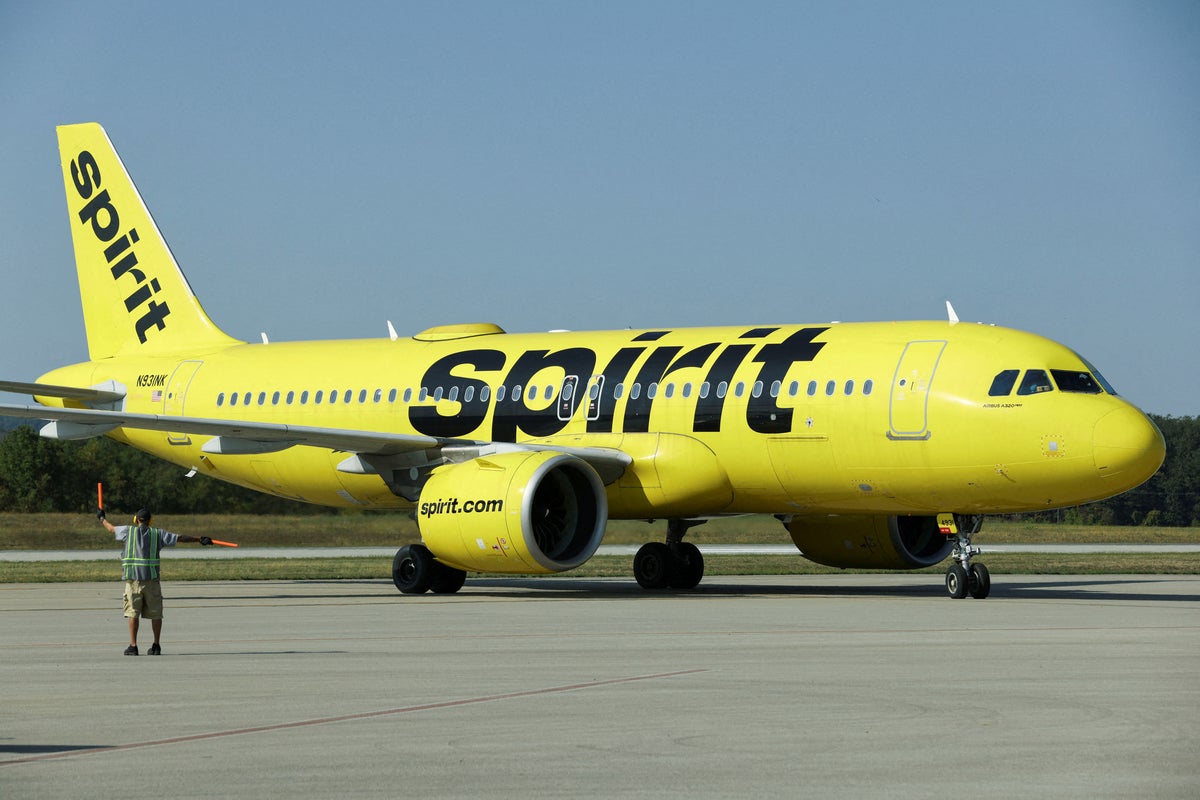
The federal government doesn't usually bail out a single airline unless things are truly desperate. But here we are. Spirit Airlines is staring down the barrel of a total liquidation, and the Trump administration is reportedly considering a $500 million lifeline to keep the yellow planes in the sky. If you've been following the saga of the country's most famous budget carrier, you know it's been a rough ride. Between a blocked merger, a second bankruptcy filing, and a sudden war that sent fuel prices through the roof, Spirit is running out of runway.
The deal on the table is pretty aggressive. We're talking about a $500 million loan from the U.S. government in exchange for warrants. Those warrants could essentially give the government an equity stake in Spirit—potentially as high as 90% according to some reports. This isn't just a friendly "good luck" check; it's a move that could turn the feds into the primary owner of a low-cost carrier.
The Fuel Crisis That Broke the Model
Spirit's business model was always built on a razor-thin margin. They sell you a cheap seat and then charge you for everything else—water, bags, even printing a boarding pass. It works when costs are predictable. It fails when they aren't.
On February 28, 2026, the military situation in the Middle East shifted dramatically. When the U.S. and Israel launched strikes on Iran, global oil markets reacted exactly how you'd expect. In some parts of the U.S., jet fuel prices have nearly doubled since that day. JPMorgan analysts recently pointed out that at current prices, Spirit's operating margin has collapsed from a projected negative 7% to a staggering negative 20%.
When you're burning cash that fast, a $337 million bank balance doesn't last long. Spirit was supposed to emerge from its second Chapter 11 bankruptcy this summer with a leaner fleet of about 80 planes. Instead, they're fighting just to keep the lights on through the weekend.
Why 14,000 Jobs Matter to the White House
President Trump hasn't been shy about his stance. In a recent interview on CNBC’s Squawk Box, he was blunt. "Spirit’s in trouble, and I’d love somebody to buy Spirit," he said. He explicitly mentioned the 14,000 employees whose jobs are on the line. For an administration that campaigns on American jobs and economic strength, letting a major employer vanish into a liquidation fire sale is a bad look.
There’s also a political angle here. The White House has been quick to blame the previous administration for blocking the Spirit-JetBlue merger back in 2024. The argument is simple: if that merger had gone through, Spirit would have been absorbed into a healthier company. Now, the government is looking at a mess that they claim was "recklessly" created by antitrust regulators two years ago.
The Reality of a Government Owned Airline
If this $500 million deal goes through, it marks a massive shift in how the U.S. handles failing industries. We saw broad bailouts during the pandemic, but those were for the entire sector. A targeted rescue of a single, struggling budget carrier is different.
The administration has already dipped its toes into private equity with companies like Intel and USA Rare Earth, citing national security. Is a budget airline a national security asset? Probably not in the traditional sense. But it is a critical piece of the "value" travel market. If Spirit disappears, ticket prices for the average American family will likely skyrocket as competition vanishes.
The Math of the Rescue
- The Loan: Up to $500 million in emergency financing.
- The Price: Warrants for a significant equity stake.
- The Goal: Prevent immediate liquidation and protect 14,000 jobs.
- The Risk: The government becomes the majority owner of a company that is currently losing money on every flight.
What This Means if You Have a Ticket
If you’ve got a flight booked with Spirit for this summer, you're probably sweating. The good news is that the news of these talks caused Spirit’s stock to jump over 160% in a single day. Investors are betting that the government won't let the airline fail.
However, "advanced talks" aren't a signed contract. If the deal collapses, Spirit could still face a total shutdown. For now, they’re still flying. They even recently won awards for being the "Most Affordable" and "Best Airline" in certain value categories. It’s a bizarre irony—the airline is officially recognized as a great value at the exact moment it can no longer afford to exist.
The Long Road to Recovery
Even if the $500 million arrives, Spirit isn't out of the woods. They’ve already cut their fleet down significantly and furloughed hundreds of pilots. The plan to return to profitability by 2027 was based on jet fuel being around $2.67 per gallon. With prices currently sitting closer to $3.79—and showing no signs of dropping—the math just doesn't add up yet.
The administration’s involvement might buy them time, but it won't fix the underlying issue. The ultra-low-cost carrier (ULCC) model is under siege. Larger airlines like United and Delta have successfully copied the "Basic Economy" concept, stealing Spirit's only real advantage.
If you're a traveler or an investor, keep your eyes on the Department of Transportation. Secretary Sean Duffy is currently reviewing the options, and a final decision could come any day. If the deal happens, expect a very different Spirit Airlines—one that might basically be a ward of the state.
Your next steps:
- Check your flight status daily if you have a Spirit booking in the next 30 days.
- Have a backup plan (or refundable tickets on another carrier) if you’re traveling for an "unmissable" event like a wedding or graduation.
- Don't buy the stock expecting a quick win; a 90% government stake would likely wipe out existing shareholders anyway.