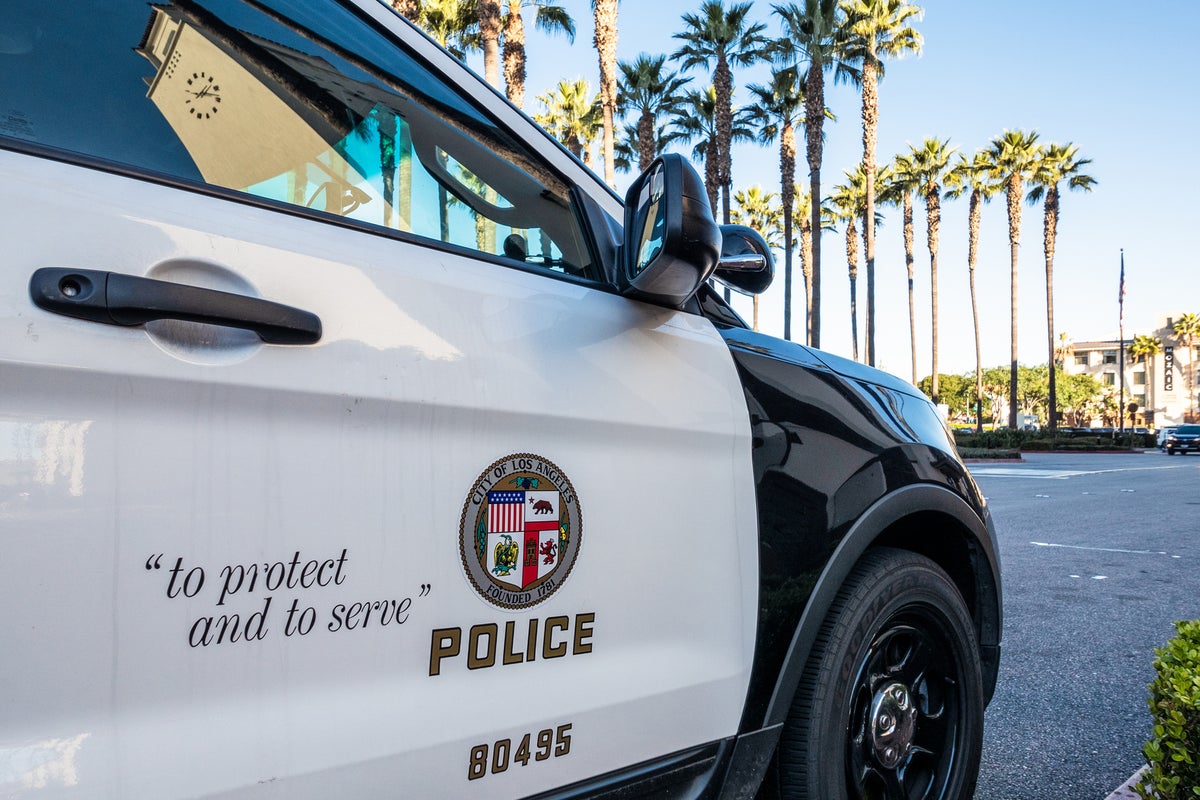
Another weekend, another self-congratulatory press conference from law enforcement agencies parading their latest numbers. Nearly seventy arrests, over five hundred citations, two hundred vehicles sent to the crusher's waiting room. The mainstream media treats these massive sweeps like watershed military victories against organized crime. They nod along with municipal leaders who promise that brute-force police saturation will finally reclaim public asphalt for the law-abiding public.
It is a comforting narrative for city councils. It is also completely useless.
Treating sideshow culture as a simple law enforcement problem is like trying to bail out the Titanic with a teaspoon. Every time police forces deploy tactical alerts and swarm an intersection with helicopters and drones, they mistake an acute symptom for the underlying disease. The lazy consensus is that harsher penalties, higher tow fees, and mass spectator citations will terrify kids into staying home. History shows otherwise. The entire paradigm of deterrence fails when the target demographic treats a misdemeanor citation as a badge of honor and social media clout.
Let us look at the mechanics of why the current crackdown is backfiring.
When you trap seven hundred people at an intersection under a heavy-handed dragnet like Operation Street Sweeper, you do not dismantle the network; you provide its participants with infinite digital distribution. Every smartphone video of a tactical sweep, every confiscated car, and every crying parent interviewed on the evening news fuels the counter-cultural mythology of the underground scene. You cannot fine away a subculture that thrives on anti-establishment friction.
Municipal authorities love to lean on the narrative that these events are vacuum-sealed pockets of random criminality. They ignore the structural vacuum that birthed them. Los Angeles has systematically priced out, paved over, and zoned out every single legitimate avenue for grassroots automotive enthusiasm. Legal drag strips close down or move hours away into the desert. Local tracks charge extortionate entry fees that price working-class car enthusiasts completely out of the market. When a city closes every official valve for pressure release, the pressure finds an illegal seam.
Imagine a scenario where a city closes every public skatepark, bans skateboards from sidewalks, and then acts shocked when youth descend on corporate plazas to build makeshift ramps. Do you buy more handcuffs, or do you build a park?
The lazy consensus ignores the economics of the punishment. Impounding two hundred vehicles sounds severe until you realize a significant portion of those cars are cheap beaters bought specifically for the weekend, or worse, borrowed from unsuspecting family members who now face financial ruin. Punishing the parents and impounding borrowed sedans does not deter the ringleaders orchestrating the meetups via encrypted channels in under twenty minutes. It simply creates collateral damage in working-class neighborhoods while the organizers slip away to plan the next location.
If you want to stop street takeovers, stop acting like you can police enthusiasm out of existence. You have to provide alternative outlets that offer the same social currency: adrenaline, community, and automotive expression. Cities that successfully curb illicit street racing do not just threaten jail time; they repurpose industrial asphalt, partner with local car clubs, and create legal, controlled environments where drivers can burn rubber without endangering cross traffic.
Until law enforcement stops treating urban youth like an invading army and starts addressing the spatial starvation of modern cities, every mass arrest is just free marketing for the underground.
Stop patting yourselves on the back for towing two hundred cars. You are treating a symptom while the patient bleeds out.