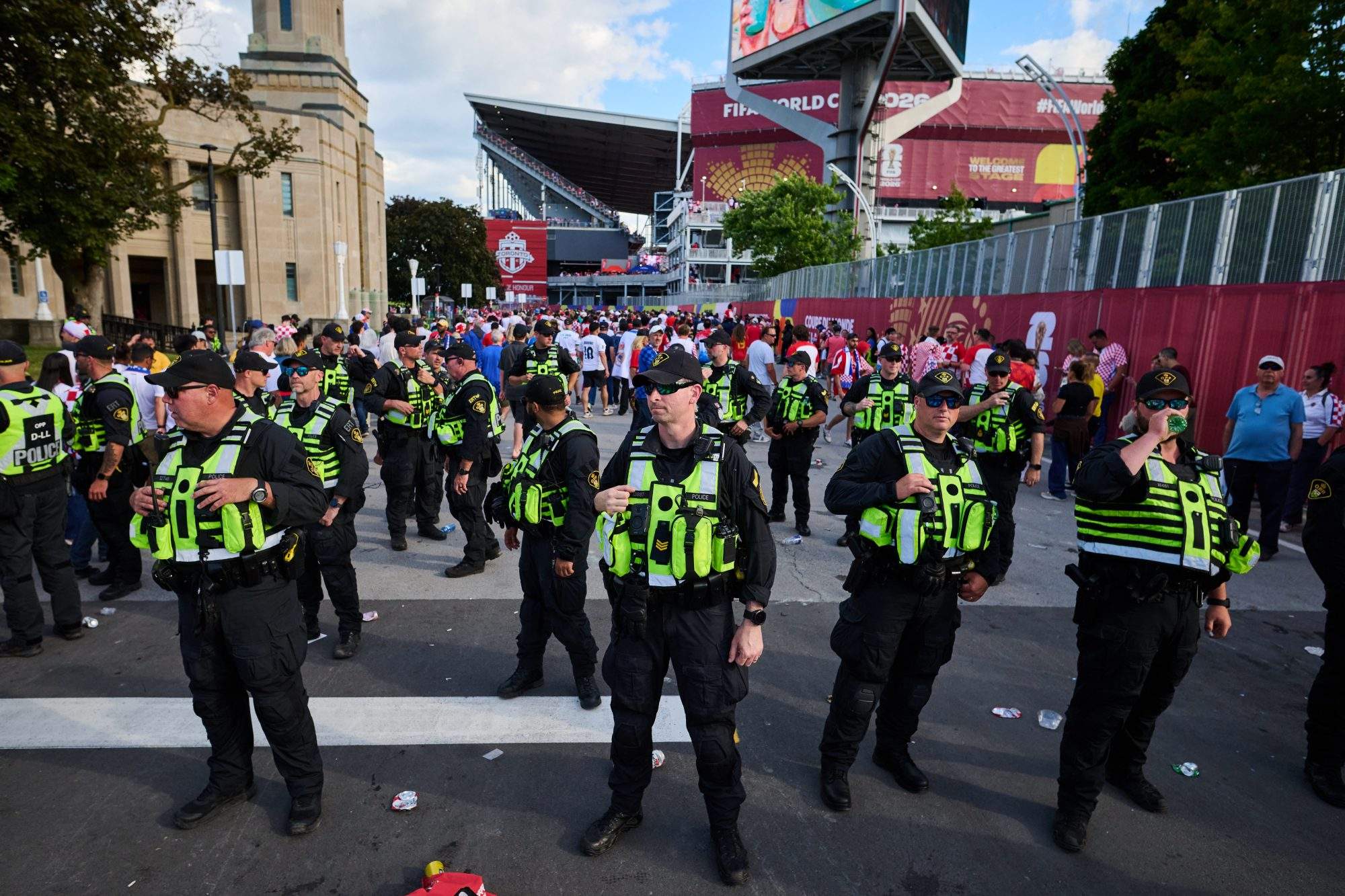
The headlines in Toronto are dripping with civic righteousness. Bylaw officers marched through the city, slapping local businesses with nearly 100 charges for audacity—specifically, using FIFA’s precious, trademarked branding without paying the extortionate licensing fees. The mainstream media wants you to nod along. They want you to think the city is protecting its "investment" and maintaining order ahead of the World Cup.
They are dead wrong.
What Toronto is actually doing is choking out the exact cultural and economic engine that makes hosting a massive sporting tournament worthwhile in the first place. By acting as the enforcement arm for a multi-billion-dollar Swiss cartel, the city is actively transferring wealth away from its own taxpaying business owners and handing it to global sponsors who do not care about Toronto’s economic health.
The Illusion of Ambush Marketing
The legal term everyone loves to throw around here is "ambush marketing." FIFA and its corporate cronies view any business trying to capitalize on soccer fever without a license as a parasite.
Let us break down how IP protection actually works under Canada's Trademarks Act. A trademark exists to prevent consumer confusion. If a local sports bar puts a sign outside saying "Watch the World Cup Here with a Cold Beer," not a single sane human being thinks FIFA endorsed that bar. They know the bar has televisions.
Yet, under intense pressure from international sporting bodies, host cities routinely pass special, temporary bylaws that go far beyond standard trademark law. They create "clean zones" where ordinary economic activity is criminalized.
I have watched municipalities tank their own retail sectors during mega-events for two decades. The playbook never changes. The city promises a massive economic windfall. Local businesses stock up on inventory, hire extra staff, and get ready for a surge. Then, the enforcement officers show up with clipboards, threatening thousands of dollars in fines because a bakery decorated a cake with a soccer ball pattern or a cafe used the word "Toronto" next to the year of the tournament.
Who Actually Benefits From Clean Zones
Look at the math. The primary beneficiaries of these draconian branding crackdowns are not the citizens of Toronto. The benefits flow to a tiny, elite tier of global partners.
When a city bans local businesses from associating with the tournament, it creates an artificial monopoly.
- The Fan Experience Suffers: Tourists do not travel across the globe to visit a standardized, corporate fan zone sponsored by a multinational fast-food chain. They want local flavor. When you sanitize the city, you ruin the product.
- Capital Flight: The money spent within the official FIFA footprint leaves the host country almost immediately. It goes directly into corporate headquarters offshore. Meanwhile, the local business owner who is blocked from marketing stays in Toronto, pays property taxes, and employs residents.
- The Enforcement Deficit: Taxpayer dollars are being spent to fund bylaw blitzes. Your money is being used to police your neighbors on behalf of corporate sponsors who paid zero dollars toward Toronto's municipal infrastructure.
Imagine a scenario where a city invested hundreds of millions in public funds to host a massive convention, only to forbid its local hotels, restaurants, and shops from mentioning that the convention was in town. It sounds like economic madness because it is.
Dismantling the People Also Ask Mythos
Do mega-events always boost the local economy?
No. The academic consensus is devastatingly clear on this. Victor Matheson, a leading sports economist at the College of the Holy Cross, has proven repeatedly that the "economic impact studies" commissioned by event organizers are wildly inflated. They use flawed multipliers and completely ignore the "crowding out" effect—where regular tourists and business travelers avoid the city entirely due to inflated prices and hassle. When you add the cost of aggressive bylaw enforcement against local commerce, the net return for the average resident drops even further.
Why can't businesses just pay for a license?
Because the entry price is structured to exclude everyone except global conglomerates. FIFA's licensing tiers are not designed for a mid-sized sports bar on College Street or a clothing boutique in Queen West. By setting the barrier to entry at millions of dollars, the system ensures that small and medium enterprises are legally locked out of the biggest economic event to hit their city in a generation.
The Strategic Failure of Total Compliance
There is a downside to fighting this. If a business openly defies these bylaws, the legal fees and fines can be ruinous. The city has deeper pockets than you do, funded by your own tax dollars. Pure, uncalculated rebellion is a bad business strategy.
But total compliance is equally fatal. If you sit back and allow the official corporate sponsors to suck up 100% of the tournament’s oxygen, you are guaranteed to miss out on the foot traffic you need to recoup your increased seasonal overhead.
The businesses that survive and thrive during these tournaments do not play by the city's rigid rules, nor do they get caught. They understand the difference between explicit trademark infringement and clever, contextual marketing.
How to Bypass the Bylaw Officers Legally
Stop trying to use the official logos. Stop using the exact trademarked phrases. You do not need them.
The human brain is an incredible machine for pattern recognition. Capitalize on that.
1. Leverage the Geography, Not the Tournament
FIFA does not own the concept of international soccer, nor do they own the city of Toronto. Focus your marketing entirely on the countries playing on any given day. If Italy is playing, transform your venue into a celebration of Italian culture, food, and sport. You are not celebrating the tournament; you are celebrating the nations.
2. Use Universal Visual Shorthand
A black-and-white hexagon pattern means soccer to every person on earth. Green grass fields, goalposts, and whistles are public domain. Deploy massive visual cues that scream "the beautiful game" without ever printing a single protected word.
3. Lean into the Counter-Culture
When the city cracks down, public sympathy is rarely with the bureaucrats. If you get targeted for something minor, turn it into a public relations win. Frame your business as the authentic underdog fighting against corporate overreach. Customers respond to authenticity; they do not respond to corporate compliance checklists.
The city of Toronto thinks it is putting on a world-class show by protecting its corporate masters. In reality, it is stripping the host city of its identity, punishing its most vital economic contributors, and ensuring that the real profits leave the country on the first flight out of Pearson. Stop cheering for the bylaw officers. They are clearing the field so global corporations can strip-mine the local economy.