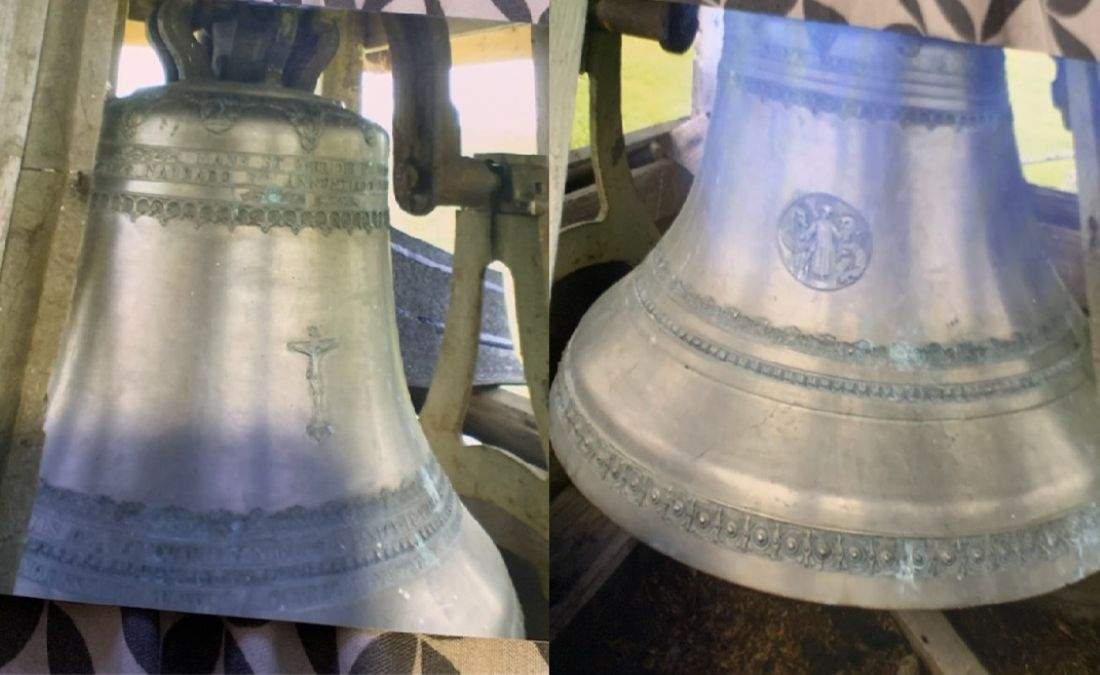
When Manitoba RCMP officers pulled a stolen church bell from a rural ditch, they closed a local theft file—and exposed a broader economic reality that frustrates scrap metal thieves across North America. Stolen church bells regularly end up abandoned along isolated country roads because criminals quickly discover that hundreds of pounds of cast bronze are nearly impossible to liquidate without getting caught. What looks like an easy score on a quiet rural property turns into a heavy, untraceable-to-nobody liability the moment the sun comes up.
The mechanics of this specific crime follow a predictable pattern. A historic rural parish sits empty during the week, often miles from the nearest detachment or neighbor. Thieves arrive with heavy-duty cutting tools, chains, and a flatbed truck or reinforced trailer, intending to cash in on global copper and bronze prices. Hours later, after realizing no legitimate scrap dealer will touch a religious artifact without demanding government identification and proof of ownership, the culprits roll the massive casting off the tailgate into the nearest drainage ditch.
The Economics of Heavy Metal Theft
Metal theft tracks closely with commodity markets. Whenever copper, brass, and bronze prices climb on global exchanges, rural infrastructure becomes a primary target. Thieves strip copper wiring from irrigation pivots, pry catalytic converters off parked trucks, and unbolt bronze plaques from war memorials. To an opportunistic thief, an old church bell looks like a solid block of high-grade scrap sitting out in the open.
The math, however, rarely works out in the thief's favor. Historic church bells are typically cast from bell metal, a specific alloy consisting of roughly 78 percent copper and 22 percent tin. While that composition gives the bell its signature resonance and durability, it also makes the object extraordinarily dense and difficult to process.
A modest rural church bell weighs anywhere from 300 to over 1,000 pounds. Moving it requires mechanical advantage, specialized rigging, and serious physical risk. Once it is in the back of a pickup truck, the criminals face an immediate logistical wall.
Unlike copper tubing or stripped electrical wire, a church bell cannot be easily broken down with standard hand tools. Bell metal is brittle under sharp impact yet thick enough to resist standard reciprocating saws. Trying to cut a three-inch-thick bronze casting with an angle grinder takes hours, burns through dozens of abrasive discs, and generates deafening noise that alerts everyone within a mile.
Why Scrap Yards Reject Stolen Bells
Even if thieves manage to haul the intact bell to a salvage operation, they run straight into modern scrap metal regulations. Across Canadian provinces, including Manitoba under legislation like The Scrap Metal Act, recyclers are legally required to verify seller identity, record license plate numbers, and log detailed descriptions of high-value items.
Reputable scrap yards operate under strict compliance protocols because buying stolen property carries heavy fines and threatens their operating licenses. Law enforcement agencies routinely send blast alerts to regional recyclers the moment a high-profile theft is reported.
Consider a hypothetical example of how that transaction plays out at a weigh scale. A pickup truck pulls onto the scale carrying a 600-pound bronze bell with a church's name or casting date stamped directly into the crown. The yard manager immediately recognizes the item as restricted heritage property. The manager asks for a deed, a demolition permit, or official letterhead from the parish board authorizing the sale. Without those documents, the yard refuses the load—and frequently copies down the truck's plate number to hand over to the RCMP.
Suddenly, the thieves are driving around in broad daylight with a quarter-ton of incriminating evidence rattling in the bed of their truck.
The Anatomy of a Roadside Abandonment
Once the scrap yard avenue closes, panic sets in. Keeping a stolen church bell in a garage or barn carries immense risk, especially in tight-knit rural communities where word travels fast and neighbors notice unfamiliar vehicles. Selling it on online marketplaces is out of the question, as collectors and antique dealers monitor listings for stolen ecclesiastical items.
Dumping the bell becomes the only exit strategy.
Rural ditches offer the exact conditions thieves need for a fast disposal. Drainage channels along gravel grid roads are deep enough to hide a large object from casual passing traffic, soft enough to absorb the impact when the bell is pushed off a truck bed, and isolated enough that nobody witnesses the drop.
That explains why RCMP detachments across the Prairies repeatedly recover stolen bells, monuments, and heavy agricultural components in tall grass miles away from the original crime scene. The thieves did not suddenly develop a conscience. They simply ran out of buyers.
The Vulnerability of Rural Heritage Sites
While recovering a dumped bell is a relief for any congregation, the physical damage caused during the theft is often permanent. Historic churches across Manitoba and the broader Prairie region are architectural landmarks built by early homesteaders, many dating back to the late nineteenth and early twentieth centuries.
Their bell towers were engineered to hold the bell in place for generations, not to withstand the violent torque of a truck winch.
When thieves rip a bell from its mounting, they routinely destroy original timber framing, shatter cast-iron yokes, and tear through heritage brickwork or cedar siding. Even when the bell itself survives the drop into a muddy ditch without cracking, the structural cost to the parish can run into the tens of thousands of dollars.
Rural parishes operate on tight budgets maintained by aging congregations. Many of these buildings sit unlocked or unmonitored between Sunday services, relying on community trust rather than commercial security systems. When that trust is broken, the financial burden falls directly on local volunteers who must raise funds to repair structural damage that insurance policies only partially cover.
The Black Market Myth
A persistent rumor in rural communities suggests that stolen church bells are targeted by organized art rings or private collectors overseas. In reality, high-end architectural salvage operates on provenance. Legitimate collectors and institutional buyers demand documented histories before paying thousands of dollars for antique bells.
An undocumented bell with fresh torch marks on its mounting brackets has zero value in the antique market. The pool of potential buyers shrinks to shady underground brokers who pay pennies on the dollar—if they are willing to touch hot merchandise at all.
The disconnect between what thieves think a bell is worth and what they can actually get for it drives the entire cycle. They see a priceless relic or a massive payout at the scrap yard. They end up with back injuries, ruined suspension on their truck, and a felony investigation hanging over their heads.
Hardening Vulnerable Properties Against Metal Theft
Law enforcement agencies and heritage preservation groups have increasingly pushed rural boards to adopt basic physical deterrents. Because full-time security guards are financially impossible for small congregations, prevention relies on making the extraction process too slow and too loud to attempt.
- Welded Fasteners: Replacing standard nuts and bolts on bell yokes and mounting brackets with welded pins forces thieves to use loud cutting torches or heavy grinders inside an enclosed wooden tower.
- Forensic Marking: Applying invisible microdot identification or engraving parish registration numbers into hidden surfaces of the bronze ensures the item can be positively identified even if thieves grind off the primary inscriptions.
- Solar Motion Lighting and Trail Cameras: Cellular-enabled trail cameras concealed near access roads capture license plates and vehicle profiles the moment a truck pulls onto the property after dark, sending real-time alerts to board members' phones.
- Community Watch Networks: Coordinating with neighboring farms to report unfamiliar flatbeds or heavy trailers operating on gravel roads late at night remains one of the most effective deterrents in sparsely populated areas.
The Lingering Cost of a Failed Heist
When Manitoba RCMP officers recover a bell from a ditch, the news release usually reads like a clean victory. The property is found. The community celebrates its return.
Yet the true toll of the crime sits inside the empty bell tower. Rehanging a 500-pound bronze casting requires specialized cranes, custom-fabricated ironwork, and structural engineers to certify that the damaged timber frame can safely carry the load again. Until that money is raised and the work is completed, the bell sits on a wooden pallet in a parish hall or municipal garage, silent.
The thieves walked away empty-handed, leaving behind a trail of broken wood, gouged earth, and an expensive repair bill for a community that never locked its doors.