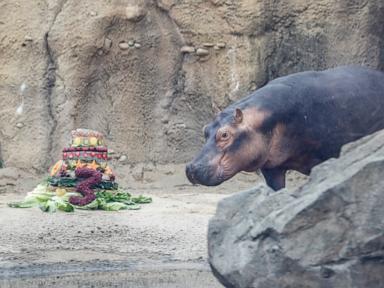
Veterinary surgeons at the Cincinnati Zoo cannot perform an operation to remove the hat Fiona the hippo swallowed because cutting open a massive semiaquatic mammal carries an extreme, often fatal risk of anesthesia failure and post-operative wound collapse. When a guest accidentally dropped a hat into the Hippo Cove habitat and the world-famous Nile hippopotamus ingested it, the zoo's medical team immediately ruled out the operating table. Instead of invasive surgery, veterinarians are relying on careful monitoring, digestive management, and the animal's own massive gastrointestinal tract to pass the foreign object naturally.
To understand why a routine foreign-body extraction in a dog or a human becomes an insurmountable surgical crisis in a hippopotamus, you have to look at the sheer mechanics of megafauna biology. Public reaction to animal ingestion emergencies usually follows a predictable script. People assume a team of top-tier zoo doctors can simply put the animal to sleep, make an incision, pull out the fabric, and stitch her back up. That assumption ignores decades of hard-won, often tragic lessons in zoological medicine.
Hippopotamuses are notoriously difficult to anesthetize. Unlike terrestrial mammals, hippos possess a specialized dive reflex that slows their heart rate and alters blood flow when their airways are compromised or when sedatives hit their bloodstream. Administering enough anesthetic drugs to render a multi-thousand-pound animal unconscious without stopping her heart requires a razor-thin margin of error. Even if a surgical team successfully induces general anesthesia, the sheer weight of the animal's body pressing down on her own lungs and major blood vessels during a prolonged procedure can cause fatal respiratory failure or severe muscle and nerve damage, known as capture myopathy.
The Anatomy of an Impossible Operation
The physical barrier of a hippopotamus goes far beyond body weight. A Nile hippo's skin is roughly two inches thick across much of its torso, composed of dense, tightly woven collagen fibers that dull surgical blades within seconds. Beneath that dermal armor lies an abdominal cavity under immense internal pressure, packed with hundreds of feet of heavy, fluid-filled intestines.
In small animal medicine, a surgeon can easily exteriorize a loop of bowel, remove an obstruction, and suture the tissue cleanly. In an adult or sub-adult hippo, the sheer mass of the viscera makes manipulating the gastrointestinal tract physically exhausting and extraordinarily dangerous. If a surgeon manages to reach the stomach or intestines and make an incision, closing that wound so it holds against the internal pressure of a moving, standing, swimming animal is nearly impossible.
Suture failure is the silent killer in megafauna surgery. Hippos do not rest quietly in sterile recovery suites. They spend the vast majority of their lives submerged in water, which introduces a constant barrage of environmental bacteria directly to any fresh incision. Keeping a hippopotamus dry for weeks to allow a deep abdominal wound to heal causes severe skin cracking, extreme psychological stress, and secondary infections. Putting her back in the water risks immediate wound dehiscence—where the stitches tear open—and fatal peritonitis.
Inside the Hippo Digestive Tract
Because surgery is effectively off the table unless the animal is already on the brink of death, veterinary teams lean heavily on the architecture of the hippopotamus digestive system. Hippos are pseudoruminants. They do not chew their cud like cattle, nor do they possess a true four-chambered rumen, yet they rely on a complex, multi-compartmentalized foregut to ferment massive amounts of tough plant matter.
This specialized anatomy acts as both a blessing and a curse when a foreign object enters the picture. A standard baseball cap or sun hat is typically made of cotton, polyester, plastic brim inserts, and perhaps a small metal clasp or button. The voluminous chambers of a hippo's stomach are designed to hold enormous quantities of fibrous grasses, meaning a single hat does not immediately create a bottleneck in the upper digestive tract.
However, the transition from the stomach into the small intestine presents a much narrower passage. Veterinary teams monitor the animal for specific clinical signs that indicate whether the object is moving or causing a blockage:
- Appetite and fecal output: Any sudden refusal of favorite foods or a drop in manure production signals a potential slowdown in gut motility.
- Behavioral shifts: Lethargy, floating abnormally in the water, or isolating from her mother, Bibi, and the rest of the bloat indicate abdominal discomfort.
- Endoscopic limitations: While vets routinely use endoscopes to retrieve swallowed items from dolphins, sea lions, and big cats, a hippo's oral cavity and esophagus are simply too long and cavernous for standard veterinary scopes to reach the stomach effectively.
Without the ability to go in from above with a camera or from the side with a scalpel, medical management shifts to keeping the digestive tract lubricated and moving. Veterinarians typically increase hydration, adjust fiber intake, and sometimes administer mild, safe laxatives or mineral oil mixed into food to encourage the object to slide through the intestinal tract without snagging on the mucosal lining.
The Invisible Hazard of Zoo Exhibits
Fiona's predicament highlights a persistent, frustrating reality across modern zoological institutions. Despite thick glass barriers, elevated viewing decks, and ubiquitous warning signs, personal items fall into animal enclosures every single week. Sunglasses, cell phones, pacifiers, plush toys, and hats regularly slip from the hands of distracted visitors or blow off heads during sudden gusts of wind.
For an animal born and raised under human care, these foreign objects do not register as threats. Wild hippos are cautious, territorial, and reactive to unfamiliar stimuli in their environment. Zoo-born animals, particularly those like Fiona who survived a premature birth through intensive, round-the-clock human intervention, exhibit an intense curiosity toward anything associated with people. To a young hippo, a brightly colored hat floating on the surface of the water looks like an enrichment toy or a novel piece of browse. She investigates the world with her mouth, crushing and swallowing items before keepers can intervene.
Designing habitats to completely eliminate visitor drop-hazards involves massive architectural trade-offs. Zoos can enclose exhibits entirely in fine mesh or floor-to-ceiling acrylic, which protects the animals from falling debris. Yet those same barriers degrade the visitor experience, create glare in photographs, trap heat, and sever the visceral connection between the public and the wildlife they are meant to care about.
High-Stakes Conservation Under Public Scrutiny
The intense global spotlight on Cincinnati's famous hippo adds a layer of operational pressure that few wildlife hospitals ever experience. Since surviving her premature birth in 2017, Fiona has become a global ambassador for wildlife conservation, drawing millions of visitors and generating massive revenue that funds the zoo's broader biological programs. Every minor scrape, dietary change, or veterinary update makes international headlines.
That visibility demands absolute transparency from the zoo's leadership, even when the medical reality is uncomfortable. Admitting to the public that a beloved animal swallowed a piece of trash—and that doctors cannot simply operate to fix it—invites waves of armchair criticism from people who do not understand the physiological constraints of megafauna medicine. Keepers and veterinarians have to balance public reassurance with stark biological honesty.
In the wild, Nile hippopotamuses face severe threats from habitat loss, agricultural encroachment, and poaching for their ivory teeth. Inside a premier accredited facility, Fiona is insulated from drought, predators, and human conflict, yet she remains vulnerable to a stray piece of fabric dropped over a railing. Until she passes the hat, the veterinary team at Cincinnati Zoo can do little more than watch, wait, and trust the resilience of an animal that has already beaten far worse odds.