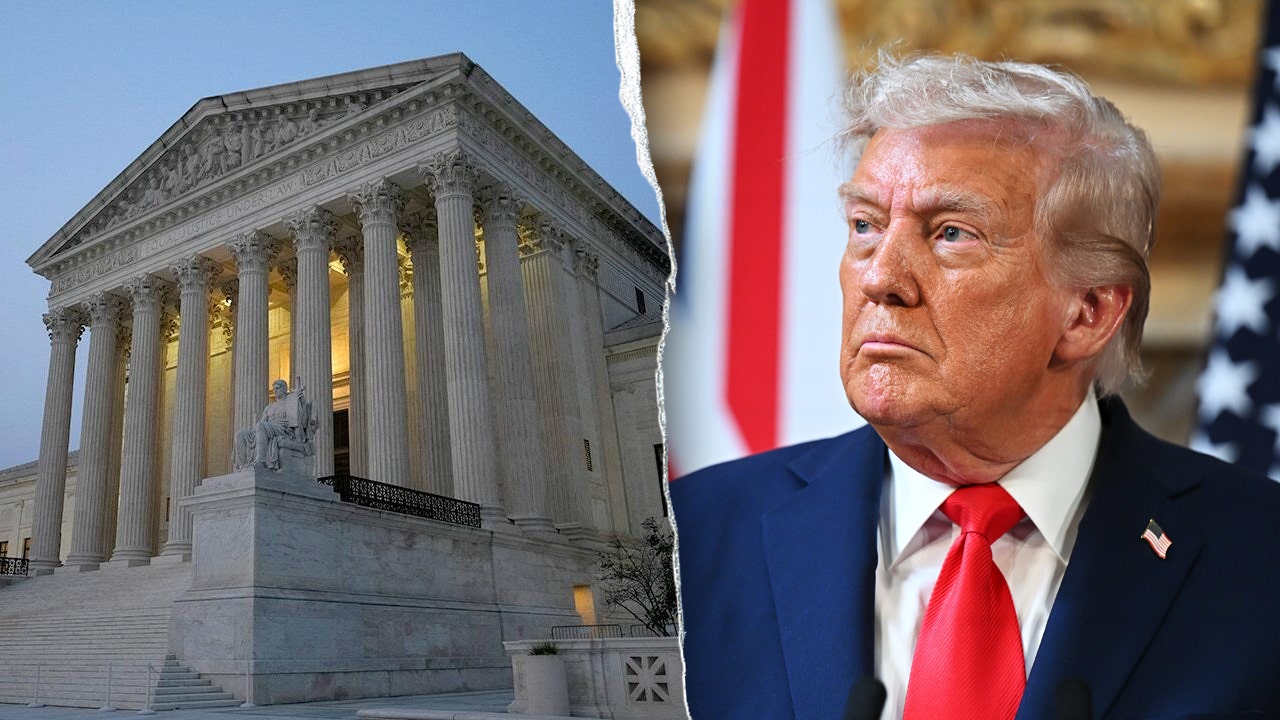
The Supreme Court just did something Congress has been too scared to do for decades. On February 20, 2026, the Court handed down a 6-3 decision in Learning Resources Inc. v. Trump that effectively tells the White House to stop playing with the country's checkbook. By striking down tariffs imposed under the International Emergency Economic Powers Act (IEEPA), the justices didn't just kill a specific trade policy. They signaled that the era of the "Imperial Presidency" in trade might finally be hitting a wall.
For years, lawmakers on Capitol Hill have complained about executive overreach while quietly enjoying the fact that they didn't have to take hard votes on trade. If a tariff helped a local industry, they took credit. If it raised prices for consumers, they blamed the President. But after the Court’s ruling, that comfortable dynamic is dead. The "combined wisdom of the people’s elected representatives," as Justice Neil Gorsuch put it, is now back in the driver’s seat—whether they like it or not.
The IEEPA Loophole Is Officially Closed
The core of the Court's ruling is simple: IEEPA allows the President to "regulate importation" during an emergency, but it doesn't give him the power to tax. In the eyes of the law, a tariff is a tax. And under Article I of the Constitution, only Congress can lay and collect taxes.
Chief Justice John Roberts didn't mince words. He pointed out that if Congress wanted to give the President the "extraordinary power" to slap 15% or 20% duties on everything from electronics to sneakers, it would have said so explicitly. It didn't. This puts an immediate end to the sweeping, open-ended tariffs that have defined the trade landscape over the last year.
But don't think for a second that this means the "Trade Wars" are over. It just means the battleground has shifted. Within hours of the decision, the administration pivoted to Section 122 of the Trade Act of 1974. This is a rarely used "balance-of-payments" authority that allows for temporary 150-day surcharges.
The catch? Section 122 requires a vote from Congress to extend those tariffs beyond the initial five months. For the first time in a generation, every member of the House and Senate is going to have to go on the record: Do you support a 15% tax on your constituents' imports, or don't you?
Why Congress Is Panicking Behind Closed Doors
Honestly, most of the "outrage" you hear from Capitol Hill is theater. Behind the scenes, the ruling has created a massive headache for leadership. House Speaker Mike Johnson and Senate leaders now face a ticking clock. By July 2026, the temporary Section 122 tariffs will expire unless Congress acts.
Here is why this is such a high-stakes mess:
- The Refund Chaos: Importers have already paid hundreds of billions in IEEPA duties. The Court's ruling means that money was collected illegally. If Congress doesn't pass legislation to address this, the Treasury could be forced to shell out massive refunds, blowing an even bigger hole in the federal budget.
- The Midterm Trap: 2026 is an election year. Democrats are already framing these tariffs as a "regressive tax" on working families. Republicans, meanwhile, are torn between supporting the administration's "America First" agenda and the traditional pro-trade, low-tax stance of their donor base.
- The Policy Vacuum: Without IEEPA, the administration has to rely on slower, more bureaucratic tools like Section 232 (national security) or Section 301 (unfair trade practices). These require months of investigations and specific findings. They aren't the "sledgehammer" the White House wants.
The Major Questions Doctrine Is the New Sheriff in Town
The most significant part of the Learning Resources ruling isn't actually about trade—it’s about power. Three of the conservative justices (Roberts, Gorsuch, and Barrett) invoked the "Major Questions Doctrine."
Basically, this doctrine says that if an agency or a President wants to do something with "vast economic and political significance," they need a crystal-clear green light from Congress. They can't just find a vague word in a 50-year-old law and use it to transform the economy.
This is a massive shift. It means that any future trade action—whether it’s about carbon border adjustments, digital service taxes, or new export controls—is going to face intense scrutiny from the courts. The days of "creative" statutory interpretation are over. If it’s a big deal, Congress has to authorize it.
What Businesses Should Do Right Now
If you're running a company that relies on global supply chains, you can't afford to wait for the dust to settle. The next 150 days will be a whirlwind of lobbying and litigation.
- Audit Your IEEPA Payments: Check every entry you’ve made over the last 12-18 months. If you paid duties under the now-invalidated IEEPA proclamations, you need to be first in line for refunds. Talk to your customs counsel about filing protests or joining existing litigation at the Court of International Trade.
- Brace for Section 122: The new 10% to 15% surcharges are likely already hitting your bottom line. Since these are "across-the-board," there are fewer loopholes or exclusions than we saw with the old Section 301 China tariffs.
- Lobby Your Representatives: This is no longer just an executive branch issue. Your Representative and Senator now have a direct vote on whether your costs go up in July. They need to hear exactly how these duties affect your headcount and your prices.
The Supreme Court didn't just strike down a tariff; it reminded the country that we don't live in a system where one person makes the rules. By forcing the trade debate back into the halls of Congress, the Court is demanding that our elected officials actually do the job they were hired for. It’s going to be a messy, loud, and unpredictable process—but it’s exactly how the system was designed to work.
Expect the next few months to be dominated by "Trade Reform" bills as Congress tries to find a way to reclaim its authority without crashing the economy. Start by reviewing your current customs bonds and ensuring your cash flow can handle the transition from the old IEEPA regime to the new Section 122 reality.