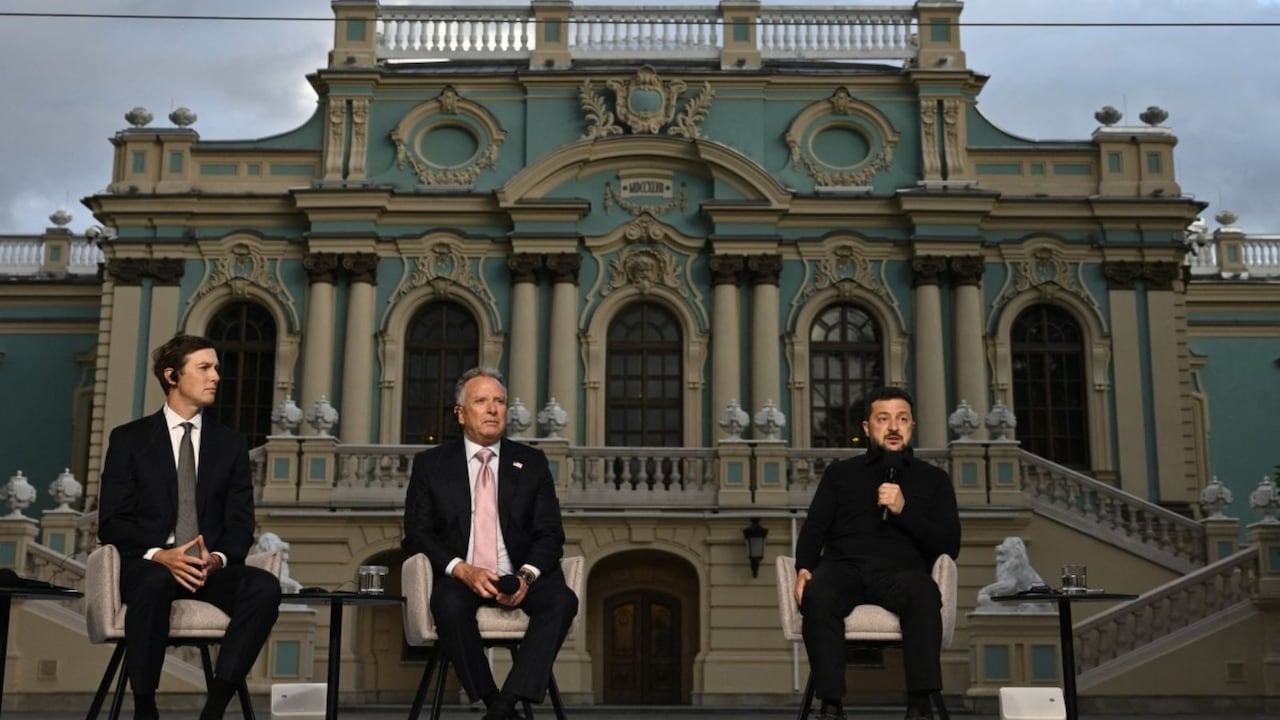
Diplomatic interventions by external actors frequently collide with the unyielding mathematics of attrition on the battlefield. Following high-stakes engagements in Kyiv between Ukrainian leadership and United States presidential envoys Steve Witkoff and Jared Kushner, official assessments confirmed that active hostilities will extend through the winter months. This outcome highlights a recurring structural reality: high-level political mediation often stalls when the cost functions of the belligerents remain misaligned with proposed diplomatic settlements. Analyzing why peace cannot be rapidly engineered requires examining the material bottlenecks, energy vulnerabilities, and strategic incentives that dictate the timeline of the conflict.
The Attrition Calculus and Winter Operations
Warfare in Eastern Europe operates on seasonal efficiency metrics. Freezing temperatures and saturated terrain alter the velocity of mechanized movements, yet long-range strategic targeting accelerates rather than pauses. The operational calculus entering the winter season revolves around three interdependent variables: grid degradation, air defense expenditure rates, and resource replenishment logistics.
Previous campaigns demonstrated that infrastructure targeting serves as a primary instrument of coercion. Systematic strikes against electrical generation facilities degrade industrial capacity and civilian endurance simultaneously. When external partners negotiate a winter package centered on liquefied natural gas access and Patriot air defense systems, they are attempting to stabilize a critical threshold of state resilience. Without these supply injections, the internal pressure on domestic stability multiplies, altering the political threshold for compromise.
The strategic friction point lies in the disparity between diplomatic pacing and military consumption. While mediation efforts seek immediate frameworks for trilateral negotiations involving Washington, Kyiv, and Moscow, military procurement cycles operate on multi-month production schedules.
The Diplomatic Bottleneck of Territorial Indivisibility
The core barrier to rapid settlement is not procedural but structural. Territory under occupation represents an indivisible asset in current legal and political frameworks. Neither side possesses an incentive structure flexible enough to accept partition without guarantees that render future aggression structurally impossible.
When intermediaries attempt to bridge this gap, they encounter zero-sum constraints:
- Sovereign integrity demands complete restoration of borders, protecting international norms against violent annexation.
- Security doctrine for the opposing state requires territorial buffer zones and permanent neutralization of strategic alignments.
- Economic viability depends on maritime access and control over industrial resource nodes concentrated in contested regions.
These competing demands cannot be reconciled through incremental concessions. Consequently, diplomatic sessions function primarily as signaling mechanisms rather than terminal peace conferences. Each party uses negotiations to test allied resolve, secure material commitments for the upcoming operational phase, and manage international public opinion.
The Architecture of Security Guarantees
Prolonged conflict transforms a state's economic model into a permanent defense economy. If hostilities persist through the colder months, the architecture of post-war deterrence shifts from speculative treaties to enforceable resource commitments. The discussion in Kyiv regarding a comprehensive prosperity plan highlights that military survivability is downstream of financial liquidity and industrial output.
A functional security guarantee requires three quantifiable components:
- Standardized supply chains for ordnance and interceptor missiles that insulate domestic defense from political shifts in partner nations.
- Integrated economic backing that underwrites state budgets against catastrophic revenue losses from infrastructure destruction.
- Sustained active-duty force structures capable of maintaining operational deterrence along a thousand-kilometer contact line without collapsing under fatigue.
When these components are absent, any ceasefire merely acts as an interlude for re-armament and repositioning. The recognition by Ukrainian leadership that the conflict will persist reflects a sober evaluation of these requirements. Until allied guarantees transition from political promises to entrenched material realities, the rational choice for both states remains continued operational engagement.
Execute resource allocation models based on the assumption of a multi-year operational horizon rather than short-term diplomatic resolution. Prioritize industrial supply chain hardening for domestic energy grids and decentralized generation assets to mitigate the systemic shock of strategic bombardment.