The trades love a good obituary. Every few years, some executive or nostalgic showrunner writes a eulogy for the multi-camera sitcom, claiming the three-wall stage, the live studio audience, and the laugh track are relics of a bygone era. The lazy consensus is that streaming killed it, younger audiences find it archaic, and single-camera mockumentaries or cinematic streaming dramas are the only formats worthy of modern attention.
They are completely wrong.
The multi-camera comedy is not on life support. It is just operating outside the narrow, self-referential bubble of prestige television critics who mistake moody lighting and slow-burn pacing for quality. I have sat in writers' rooms and watched network brass panic over shifting demographics, treating a rock-solid, profit-generating format like a patient code-blue simply because it doesn't win Twitter mentions.
Let us dismantle the mythology surrounding the death of the multicam.
The Anatomy of a False Narrative
The core argument of the doom-sayers usually goes like this: Gen Z doesn't understand studio audiences, the timing feels forced, and single-camera setups offer greater artistic authenticity.
This argument collapses under the weight of actual viewing data. When Netflix drops a multi-cam like The Upshaws or revives the format with classic structures, it consistently anchors household viewing charts. Syndication blocks for ninety-ties and two-thousands multi-cams still print money because comfort and rhythm do not expire.
The misconception stems from a fundamental confusion between artistic preference and economic reality. Single-camera shows are expensive, exhausting to produce, and notoriously difficult to syndicate successfully. Multi-cams are miniature theatrical productions designed for maximum repeatability and audience connection. When critics claim the format is dying, what they actually mean is that it stopped flattering their desire for cinematic auteurism.
The multi-cam is not failing. It is simply refusing to play the prestige TV vanity game.
Why the Editing Room is Getting It Wrong
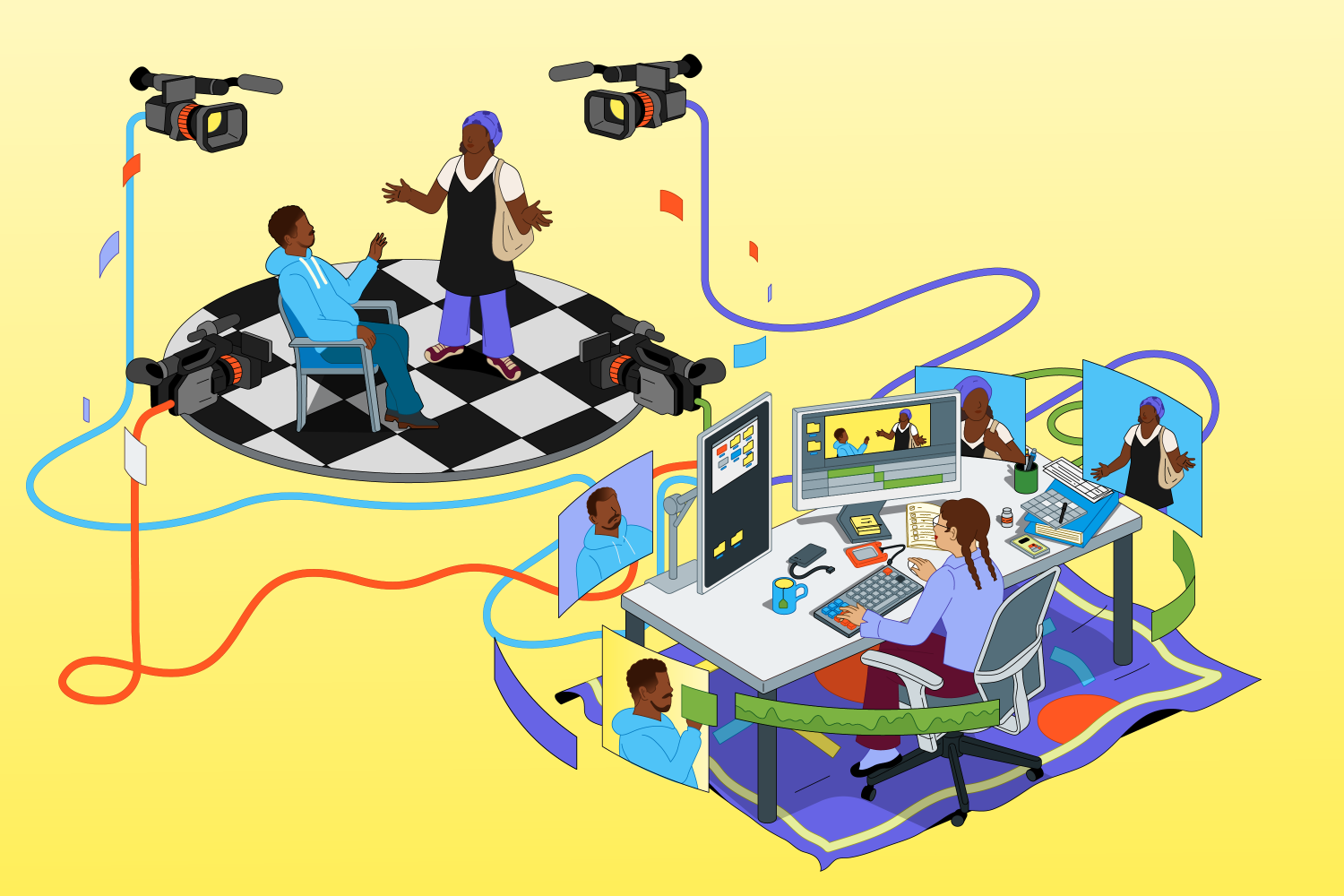
The recent panic has led to a misguided crusade inside the cutting room. Editors are being told to make multi-cams "feel more cinematic"—a euphemism for stripping away the theatrical breathing room that makes the format work.
They are trimming beats, shortening reaction shots, and trying to hide the multicam DNA under moody color grading. This is a disaster. It ruins the exact mechanism that powers the genre: the rhythmic feedback loop between performers and live spectators.
Imagine a scenario where a stage play is edited like an action thriller, cutting every two seconds to disguise the fact that it takes place in a living room. You would destroy the theatrical tension. That is precisely what modern networks are doing to studio-audience comedies in a desperate bid to appeal to algorithm-trained viewers who were already watching something else.
True editors of these shows know that comedy is math, and math requires fixed variables. The rhythm of a multi-cam depends on the pause—the three-beat window where an actor holds a look while the audience processes the punchline. When you compress that space to satisfy a fast-attention-span myth, you kill the joke.
The Economics They Do Not Want to Discuss
Let us talk about money, because Hollywood certainly will not when it is busy romanticizing single-cam auteurs.
I have watched studios burn fifty million dollars on serialized, single-camera comedies that vanished into streaming algorithms after two weeks, leaving zero cultural footprint and no backend value. Meanwhile, a standard four-camera setup cranked out on a soundstage with a live audience remains the most efficient cash-generation machine in television history.
- Low Production Overhead: You shoot an entire episode in front of a live audience in five days, using standing sets that require zero location moves.
- Instant Quality Control: You know instantly if a joke works. If the audience sits in silence, you rewrite the line on the spot and shoot it again. There is no guessing in a dark editing bay months later.
- Syndication Permanence: Episodic, self-contained narratives translate globally and rerun infinitely without requiring the viewer to remember a complicated serial arc across three seasons.
The format survived the transition from three networks to cable, and it is surviving the transition to streaming. It will outlive every executive who tries to fix what isn't broken.
What People Get Wrong About the Laugh Track
The lazy critique always circles back to the laugh track—or as industry professionals call it, the studio audience or sweetening process. Critics treat canned laughter like an insult to the viewer's intelligence, as if humanity needs a cue to know when something is funny.
This reveals a profound misunderstanding of human psychology. Watching comedy is a communal act. When you sit in a room with three hundred people reacting in real time, your brain mirrors those reactions. The multi-cam format mimics that social experience.
Even when augmented or "sweetened" in post-production, the base audio is rooted in real human timing. Strip that away, and you don't get high art; you get awkward silence masked as sophistication.
Stop Trying to Modernize the Unmodernizable
The obsession with updating the multi-cam is destroying its core strengths. You cannot tech-bro your way into better jokes. You cannot algorithmically engineer a better rhythm.
The editors and producers trying to save the format by making it look like a prestige drama are performing unnecessary surgery on a healthy patient. The audience doesn't want a gritty, single-camera exploration of domestic trauma disguised as a sitcom. They want a living room, a couch, five characters who hate-love each other, and a joke that lands every ninety seconds.
Stop apologizing for the multi-camera format. Stop trying to make it palatable to people who wouldn't watch a studio comedy if their lives depended on it.
Give the stage back to the actors, keep the cameras wide, and let the room laugh.