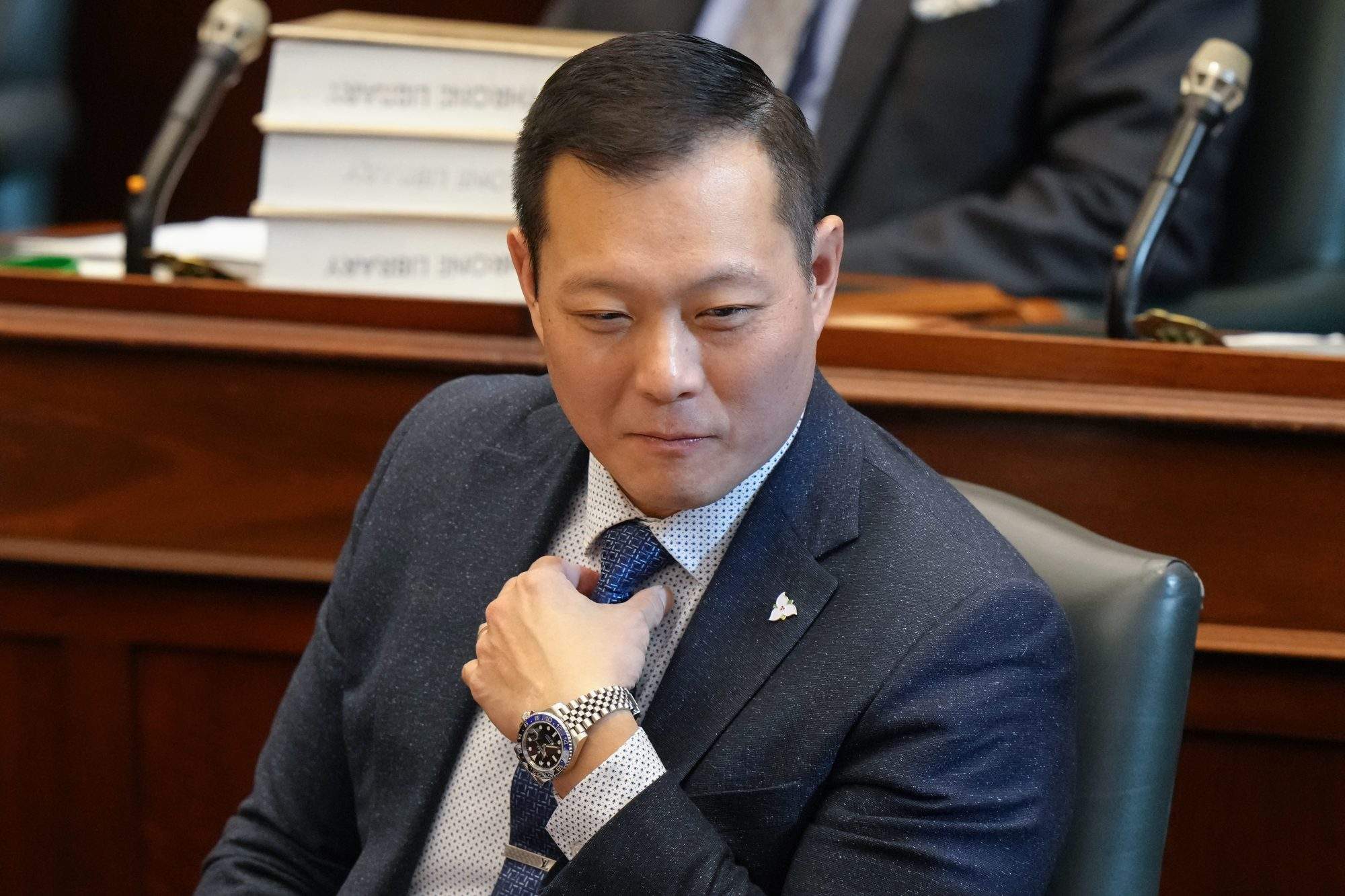
A provincial cabinet minister gets caught billing the public for hotel rooms in Toronto, the very city where he maintains a residence. The media sniffs out the story. The opposition launches into scripted hysterics. Terrified of a bad press cycle, the minister instantly folds, issuing a solemn promise to pay back every single cent of the taxpayers' money.
The public cheers. The comment sections light up with self-righteous triumph. The system works, right?
Wrong. You just fell for the cheapest, dumbest distraction in modern politics.
By hyper-ventilating over a few thousand dollars in hotel receipts, we are actively making our government more incompetent, more exclusive, and vastly more expensive in the long run. The collective obsession with policing the petty expenses of public officials is a systemic sickness. It is penny-wise, pound-foolish, and it ensures that the only people who run for office are those who can already afford to treat public service as a subsidized hobby.
The Insane Math of Public Outrage
Let us look at the actual numbers. A cabinet minister stays in a Toronto hotel for a few dozen nights during intense legislative sessions to avoid a grueling late-night commute. The total bill comes to maybe $10,000 over a year.
Now look at the scale of what that minister actually manages. The Ontario government manages a budget of over $200 billion.
Do the arithmetic. A $10,000 hotel expense represents exactly 0.000005% of the provincial budget.
While the press gallery spends three days screaming about duvet covers and room service, a single poorly drafted clause in a highway construction contract or a delayed transit procurement deal quietly bleeds $150 million. But we do not talk about the $150 million. That requires reading a dry, 400-page auditor general report. It requires understanding complex public-private partnerships.
It is much easier to get angry about a hotel room because everyone knows what a hotel room costs. It is the classic law of triviality, or "bikeshedding": a committee will spend hours debating the color of the bicycle shed because everyone understands a bicycle shed, while passing a multi-million-dollar nuclear reactor proposal in five minutes because nobody understands the engineering.
We are bikeshedding our democracy to death.
The Exhaustion Tax Is Costing You Millions
I have advised executive teams in both the private and public sectors. I have seen what happens when people responsible for billion-dollar decisions are run ragged by administrative pettiness.
A cabinet minister’s day during a legislative sitting does not start at 9:00 AM and end at 5:00 PM. It starts with breakfast briefings at 7:00 AM, moves through intense committee hearings, question period, constituency work, stakeholder meetings, and cabinet debates, often stretching past midnight.
Imagine a minister who lives in the outer rings of the Greater Toronto Area. It is 1:00 AM. They have just finished a marathon voting session. They are expected back at their desk at 7:30 AM to prepare for a critical briefing on healthcare infrastructure.
Under the "taxpayer champion" model, we expect this minister to get behind the wheel of a car, drive 90 minutes through an ice storm or heavy traffic, get five hours of interrupted sleep at home, and then drive 90 minutes back to Queen's Park in the morning.
What happens when your decision-makers are chronically sleep-deprived?
- They miss critical red flags in policy documents.
- They sign off on bloated, consultant-heavy proposals just to clear their desks.
- They make errors in judgment during crises that cost taxpayers millions of dollars in legal fees and administrative cleanup.
If you ran a $200-billion corporation, you would never dream of forcing your chief operating officer to drive three hours a day on four hours of sleep to save a $250 room tab. You would buy them a suite across the street from the headquarters so they could sleep, wake up fresh, and protect your investments.
By demanding politicians live like monks, we ensure they perform like sleepwalkers.
The High Cost of Cheap Talent
Let us talk about who actually gets hurt by this culture of expense-shaming.
If you make the job of a politician a logistical nightmare of low pay, constant scrutiny, and zero executive support, you do not magically attract "servant leaders." You filter out everyone except two classes of people:
- The independently wealthy: Independents who do not care about the expenses or the salary because their family trust or real estate portfolio already funds their lifestyle.
- The career bureaucrats: People who have never run a business, never met a payroll, and have no marketable skills in the private sector, meaning the relatively low political salary is still the best deal they will ever get.
If you want top-tier executives who know how to manage massive, complex systems, you have to offer working conditions that do not feel like a public flogging. Why would a highly competent executive leave a private-sector job making $500,000 a year—where their travel is booked seamlessly and their comfort is prioritized so they can focus on performance—to take a massive pay cut, work 80-hour weeks, and get dragged through the mud because they billed a club sandwich to the public?
They won't. And they don't.
We are left with a political class dominated by people who are highly skilled at avoiding bad headlines, but completely useless at executing large-scale projects. We get exactly what we pay for.
The Real Grift Is Not the Hotel Bill
The irony of this entire media circus is that the real waste happens in broad daylight, fully sanctioned by the rules.
While a minister is apologizing for a hotel stay, their department is likely paying a major consulting firm $450 an hour per junior analyst to write a PowerPoint deck that says absolutely nothing. The government will spend millions on "consultation processes" that are designed purely to delay difficult decisions. They will spend tens of millions on partisan advertising campaigns masked as public information notices.
These are the real drains on the public purse. But they are wrapped in the language of bureaucratic process, so they escape the rage of the electorate.
A hotel room is tangible. A $20 million consultation contract with a Big Four accounting firm is abstract. The public focuses its fury on the former while the latter is quietly renewed year after year.
Stop celebrating when a minister pays back a hotel bill. It is not a win for accountability. It is a victory for performative politics, a distraction from systemic incompetence, and a guarantee that your government will continue to be run by exhausted, risk-averse amateurs.
If you want a government that actually works, start treating it like a serious enterprise. Pay for the damn hotel room and demand they make decisions that actually save us billions.


.png?width=1200&auto=webp&trim=0%2C0%2C0%2C0)