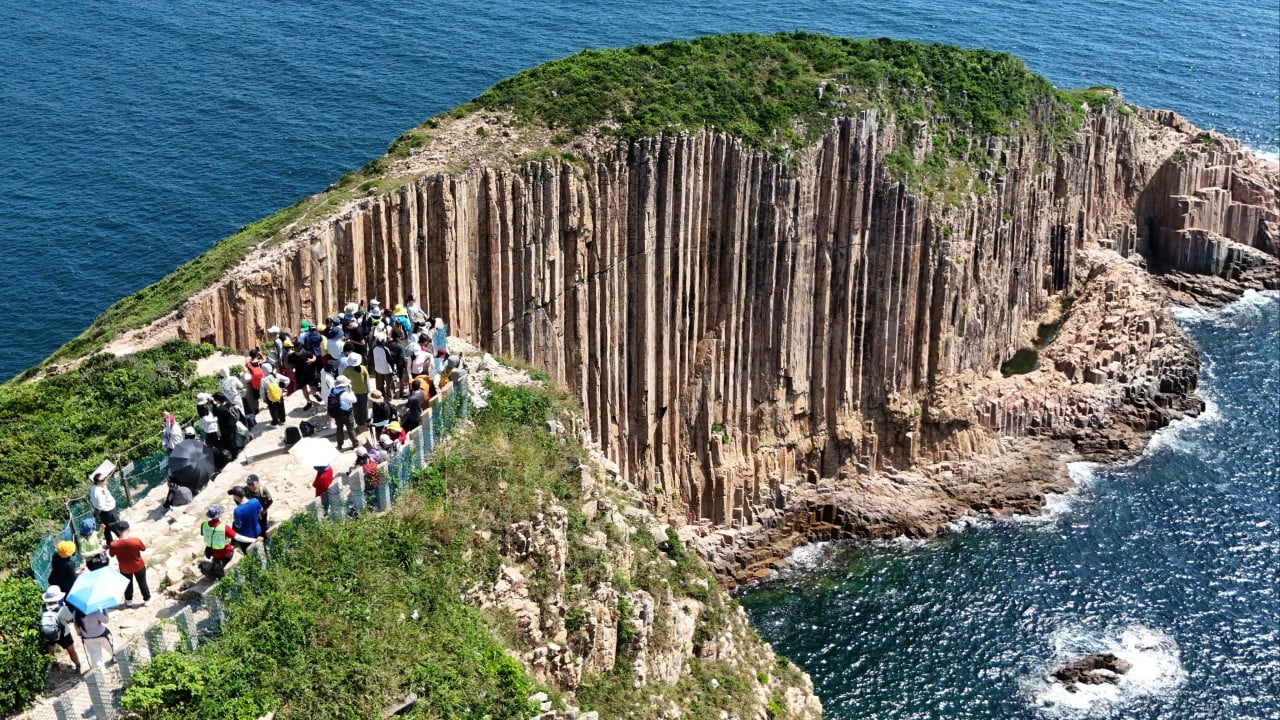
Every long weekend, the tourism boards and local tabloids churn out the same tired press release. Over a thousand hikers flock to the Po Pin Chau trail. Drones buzz overhead capturing the dramatic hexagonal columns of High Island Reservoir. Social media feeds flood with matching athleisure against a backdrop of plunging sea cliffs. The narrative always reads like a triumph of public recreation. People are getting outside. Nature is winning.
It is a complete disaster.
When a geological wonder becomes a viral photo op, everybody involved is actively participating in its destruction. Treating a fragile coastal ecosystem like an open-air amusement park is not an achievement. It is a slow-motion demolition derby disguised as wellness.
The Myth Of Sustainable Outdoor Recreation
The lazy consensus in modern travel commentary is simple. More foot traffic means people are connecting with nature, which supposedly builds a broader constituency for environmental conservation. Touch the grass, care about the planet.
Data from heavy-use recreational trails across East Asia tells a very different story. When visitor volume spikes past carrying capacity, soil compaction suffocates root systems. Native vegetation disappears under hundreds of trampling sneakers, replaced by invasive weeds that thrive in disturbed earth. Sheet erosion strips the topsoil during seasonal downpours, washing sediment directly into marine habitats and choking local coral communities.
I have watched fragile coastal paths widen from tidy two-foot tracks into pulverized mud trenches twenty feet across because crowds refuse to stay on the designated route for fear of dirtying their white trainers.
We are not loving nature to death. We are eroding it for clout.
Why The Po Pin Chau Obsession Breaks Basic Logic
Po Pin Chau is an architectural marvel of hexagonal rock columns formed by ancient volcanic cooling, detached from the main coastline of Sai Kung. It looks unreal because it is geological time made visible.
Yet the typical visitor experience involves queueing for minibus transport, shuffling single-file down narrow ridgelines, and elbowing strangers for a selfie angle where the crowds can be cropped out. People travel hours into a remote country park just to recreate the exact subway platform rush they spent all week escaping.
The rationale crumbles under basic scrutiny. If your primary metric for a successful hike is how many likes your reel gets within an hour of posting, you are not engaging in outdoor recreation. You are working an unpaid marketing shift for tourism boards.
The Real Cost Of The Weekend Stampede
Look closely at the logistics behind these viral tourism surges. Sai Kung's rural infrastructure was never engineered to handle thousands of private vehicles and overloaded green minibuses concentrated into a forty-eight-hour window.
Local wildlife pays the immediate tax. Wild cattle and boars lose their natural foraging behaviors, turning into roadside scavengers hooked on discarded plastic packaging and dropped snack wrappers. Noise pollution echoes off the sea cliffs, driving away nesting seabirds that require undisturbed isolation during breeding seasons.
Meanwhile, the economic windfall rarely sticks where it matters. A massive influx of day-trippers leaves behind mountains of single-use plastic water bottles, energy gel wrappers, and broken trekking poles, while local conservation funds struggle to cover the baseline trash clearance and trail stabilization costs.
What Actually Works
If you want to experience the outdoors without acting as a wrecking ball, you have to abandon the algorithm-driven herd mentality.
First, invert your schedule. If a trail trends on Instagram for weekend morning golden hour, treat it as a closed zone during those hours. Go during mid-week downpours or overcast weekdays when the light is moody and the foot traffic is zero. True appreciation for wilderness requires solitude, not a queue of influencers waiting to strike a yoga pose on a ledge.
Second, reframe your definition of exploration. Sai Kung and the broader Hong Kong Geopark network contain hundreds of miles of lesser-known geological formations that do not feature in viral listicles. Choosing an unmarked coastal path that requires actual navigation and physical endurance separates real hikers from weekend tourists playing dress-up.
Third, pack out more than you bring. If you spot a discarded plastic bottle wedged into a basalt crevice, pick it up. Stop treating public land as a backdrop that owes you an aesthetic dopamine hit.
The cliffside columns at Po Pin Chau have stood for millions of years, weathering typhoons and crashing waves. They can handle the elements. What they cannot survive is the relentless, suffocating weight of human vanity.