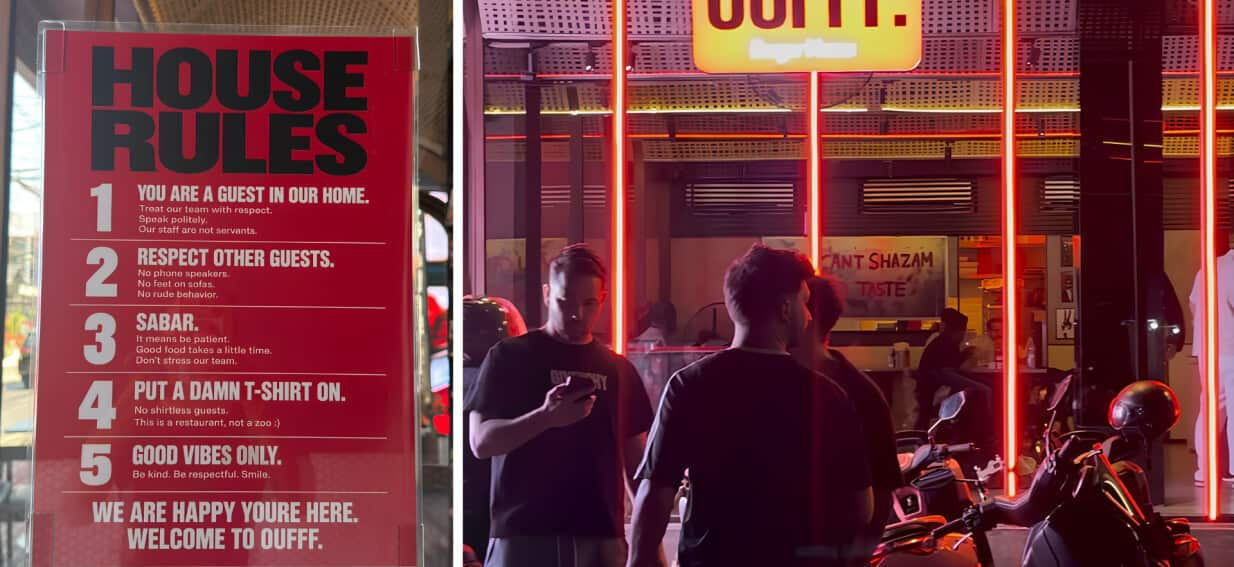
Venues in Bali are not suddenly becoming moral guardians. They are protecting margins, dodging fines, and polishing their Instagram feeds.
Read the standard travel puff piece on venues cracking down on bad tourist behavior and you will see the same lazy consensus repeated word for word. Plucky beach clubs, boutique hotels, and cafes supposedly draw a line in the sand. Shirtless riders get turned away. Drunk guests get cut off. Sacred etiquette gets a trendy poster by the espresso machine. The headline tells you the island's hospitality scene is fighting back against rowdy visitors. Don't forget to check out our earlier coverage on this related article.
That story is comforting. It is also mostly theater.
Most venues in Bali spent years selling the exact hedonism they now pretend to oppose. They marketed cheap drinks, unbothered lounging, pool-party excess, and friction-free escapism to millions of travelers. When viral clips of misbehavior trigger public outrage or government heat, slapping a polite sign on the door costs almost nothing and buys instant goodwill. To read more about the context here, AFAR offers an informative summary.
The real battle over bad tourist behavior in Bali is not being won by trendy door policies. It sits at the intersection of state enforcement, village authority, zoning and licensing compliance, and economic incentives.
The Lazy Consensus Misses Who Actually Holds Power
Travel coverage loves a hero venue. A bar enforces a dress code or boots a loud table, and writers treat it like a cultural turning point.
In reality, a single cafe or beach club has narrow leverage. If a rowdy guest gets denied entry at one spot in Canggu or Seminyak, they walk two hundred meters down the lane to a louder bar pouring cheaper drinks. Private venues manage crowd control and liability inside their own walls. They cannot fix gridlocked coastal roads, unlicensed scooter rentals, garbage dumping, or disrespect at sacred sites.
Governor Wayan Koster's Circular Letter No. 7 of 2025 laid out obligations and prohibitions for foreign visitors—covering modest dress, temple respect, tourist levy compliance, licensed transport and accommodation, and bans on littering, single-use plastic, and unauthorized work. Official enforcement rests with authorities like Satpol PP and the police, alongside a public reporting hotline and traditional village (desa adat) customs. Venues can remind guests to follow those norms. They do not replace the law.
A sign at the host stand does not rewire a tourist economy built on low friction and high volume.
Why "Good Behavior" Is Often a Business Model in Disguise
I have watched hospitality operators across Southeast Asia pour money into "conscious" branding while cutting corners everywhere that actually strains local infrastructure. One operator spent thousands on sleek wooden signage preaching respect for local culture while running staff on grueling shifts, underpaying local workers, and ignoring waste management basics. Another talked endlessly about community harmony right up until local leaders pushed back on noise, parking, or permit gaps.
Precision matters here. Venue house rules are private terms of entry—dress codes, minimum spends, noise limits, and intoxication cutoffs—designed to protect guest experience, safety, and liquor or operating licenses. Cultural compliance is honoring Balinese Hindu customs, temple boundaries, ceremonial processions, and provincial rules. Confusing a cocktail lounge's dress code with cultural preservation is a category error.
Social exchange theory in tourism research highlights a tension that venue PR glosses over: residents who rely on tourism income often weigh daily disruptions—traffic, noise, gentrification, and cultural friction—against economic need and limited alternatives. A venue tightening standards to attract higher-spending guests may reduce rowdiness on its own deck, yet still push noise, overflow parking, or late-night commotion onto narrow residential lanes outside.
A Thought Experiment on Incentive Alignment
Imagine a scenario where three beachfront venues in the same strip all ban intoxicated guests after 9:00 PM and enforce strict quiet hours after 10:00 PM. Two blocks away, three competing bars drop bottle prices and stay open until 3:00 AM with DJs blasting toward the street.
Within a month, the compliant venues see fewer bar fights and cleaner mornings. They also see a sharp drop in late-night beverage revenue unless they replace it with higher-margin daytime dining, wellness, or curated programming. Without broader neighborhood standards, municipal enforcement, and fair licensing rules across the board, virtuous behavior can quietly become a competitive disadvantage for the very operators who play by the book.
Are Tourists Asking the Wrong Question About Rules?
Most visitors ask, "What rules are Bali venues enforcing right now so I don't get kicked out or fined?"
That is the wrong starting question. A better question is: How do my daily choices—where I stay, how I move around, what I buy, and how I treat shared spaces—affect the places and people I am visiting?
"Can a venue ban me just for how I'm dressed or acting?"
Yes, on private property, within Indonesian law. A restaurant, beach club, or hotel can set dress standards, refuse service to intoxicated patrons, and ask disruptive guests to leave. Temples and sacred spaces operate under even stricter religious and customary rules, including modest attire and restrictions on entering inner or sacred areas unless participating in worship. Treating a tropical vacation like a lawless free-for-all is a fast way to get turned away, fined, or worse.
"Are Bali's crackdowns ruining the island's laid-back vibe?"
Only if your idea of a laid-back vibe requires ignoring local laws, riding scooters unlicensed or drunk, littering, or treating sacred traditions as backdrop props. Real hospitality—the kind that makes a place memorable years later—never depended on guests acting like wrecking balls. Basic courtesy is not a mood killer. It is the baseline price of admission.
What Actually Works Instead of Performative Crackdowns
If you care about keeping Bali welcoming, livable, and worth visiting—whether you run a venue or book a flight—skip the performative gestures and do the unglamorous work:
- Auditing real externalities: Venue owners should measure noise bleed into neighboring compounds, waste output, staff treatment, and permit compliance—not just Instagram sentiment.
- Aligning pricing with the crowd you want: Ultra-cheap drink promos attract price-driven volume. Pricing, programming, and service standards shape who walks through the door long before a bouncer says a word.
- Choosing licensed operators: Travelers should use licensed accommodations, authorized money changers, legal transport or vetted drivers, and follow helmet, licensing, and environmental rules.
- Reading the room before the rulebook: Watch how locals move through a space, step around canang sari offerings, keep voices down near homes and ceremonies, and treat staff like professionals rather than background extras.
The Catch With Taking a Hard Line
Pushing against "anything goes" tourism comes with real trade-offs that contrarians rarely admit. Strict enforcement and higher standards can price out budget travelers and backpackers who helped build Bali's early reputation as an accessible island. Over-policing minor misunderstandings can also create friction or anxiety for well-meaning first-time visitors who simply made an honest mistake.
Worse, heavy-handed rhetoric from officials or businesses sometimes turns complex structural problems—overbuilding, weak infrastructure, traffic bottlenecks, and uneven law enforcement—into a convenient blame game aimed solely at tourists. Bad behavior is real. Lazy governance and reckless development are real too.
A venue putting up a stern sign does not save a destination. Only honest incentives, real enforcement, and basic human respect do.