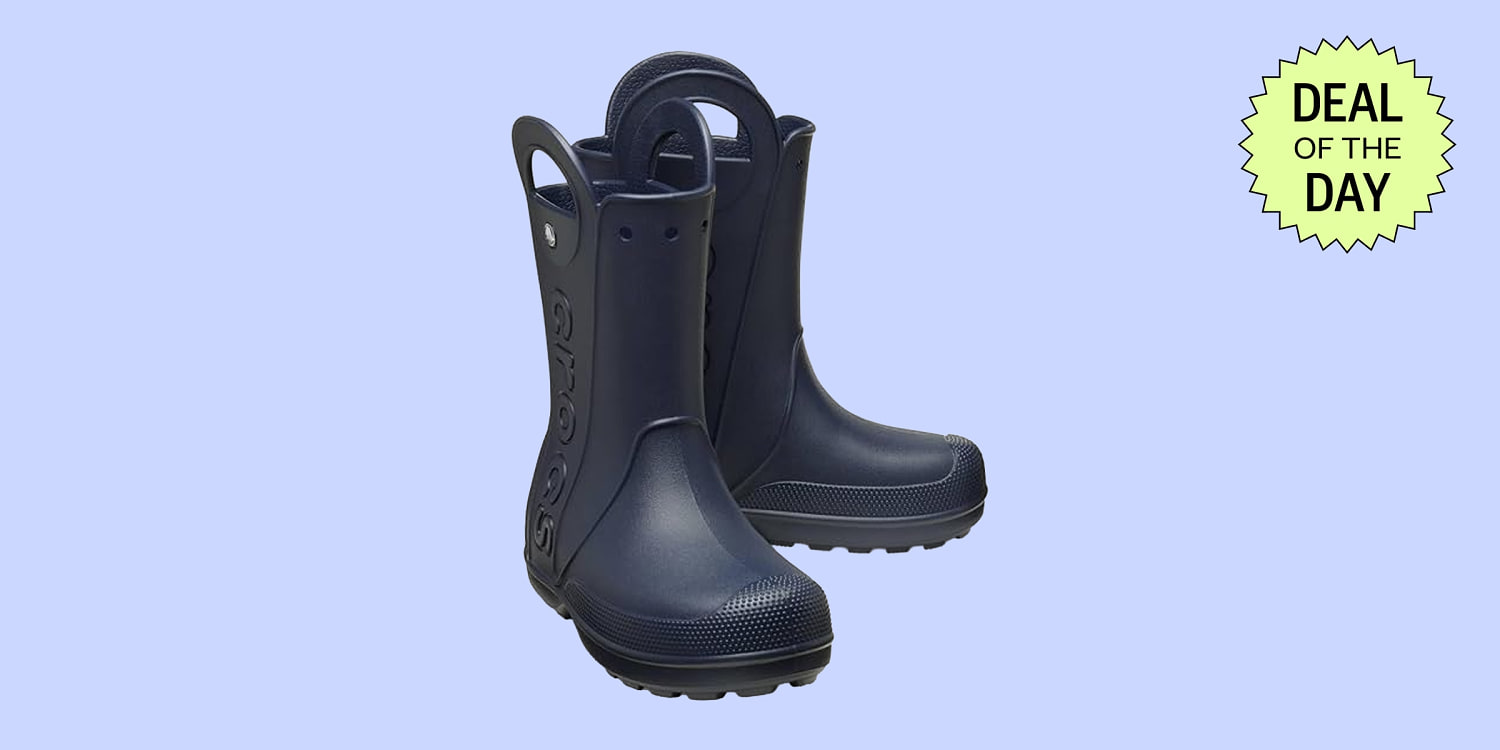
Every time the weather forecast turns sour, the retail algorithm spins up. Flash sales on rubber footwear appear across every feed. Brands push a twenty-five percent markdown on molded plastic clogs and pretend you are solving a practical problem. You are not. You are participating in an engineered seasonal panic designed to clear warehouse inventory before the next quarter.
Let us dismantle the lazy consensus. The standard narrative claims that a sudden downpour requires specialized rubber footwear to protect your feet from urban elements. It is an intuitive pitch. Water falls from the sky, your standard shoes get wet, therefore you need a dedicated barrier. Retailers love this logic because it forces consumers to buy single-use items that sit in a closet for three hundred and forty days a year.
I have watched direct-to-consumer apparel brands burn millions in venture capital trying to convince buyers that precipitation demands an entirely separate shoe wardrobe. It is a brilliant financial model for the seller and a masterclass in consumer waste for the buyer.
The Physics Of The Problem Everyone Ignores
Water resistance is not about thickness. It is about construction integrity and material science.
Most conventional rain boots, including those foam-molded slip-ons currently crowding your digital window shopping, suffer from a fundamental design flaw: they trap sweat just as efficiently as they keep moisture out. Your foot produces moisture continuously. When you encase it in a non-breathable polymer shell without adequate moisture-wicking architecture, you create a localized tropical microclimate. By midday, your socks are wetter from perspiration than they would have been from a light urban drizzle passing through a standard leather or treated canvas shoe.
Furthermore, consider the ergonomics. Heavy, unyielding soles lack torsional flexibility. Walking three blocks in stiff molded foam alters your natural gait, stresses your Achilles tendon, and guarantees blisters if you actually have to hustle for a train. You are trading minor protection from puddles for major discomfort in your lower joints.
The industry wants you to believe that function overrides form, but true utility does both. If a shoe requires you to carry your actual footwear in a plastic bag to change into at your desk, it is a failed product design, not a wardrobe staple.
What You Should Be Buying Instead
Stop treating weather as an emergency that requires a costume change. The smart approach relies on modularity and maintenance, not specialized gear.
- Treat existing leather: A quality pair of Goodyear-welted leather boots or tightly woven trail runners treated with a hydrophobic wax or fluoropolymer spray will outperform a dedicated rain boot in 90 percent of urban scenarios. They breathe. They support your arches. They transition seamlessly from a rainy morning commute to an air-conditioned office.
- Embrace wool socks: Merino wool retains its thermal regulation properties even when damp. Pair your daily footwear with a high-percentage wool sock, and you eliminate the chill of a wet toe box entirely without needing a waterproof exterior shell.
- Accept minor dampness: Modern civilization features indoor plumbing, central heating, and spare socks at your desk. A slightly damp toe for twenty minutes will not end your life. The obsession with absolute, hermetic dryness is a modern neurosis fed by advertising agencies.
Imagine a scenario where you throw out every specialized weather shoe in your hallway and invest in two pairs of versatile, high-end footwear that you properly waterproof twice a year. Your closet gains space. Your feet gain structural support. Your wallet stops bleeding twenty-five percent discounts on items you do not need.
The Margin Game Behind The Discount
That twenty-five percent discount you are looking at? It is an illusion built on markup architecture.
Molded EVA foam and injection-molded rubber cost pennies to manufacture overseas. When a brand slashes the price by a quarter during a storm warning, their profit margin barely dips. They are counting on impulse control triggered by meteorological anxiety. Rain starts, anxiety spikes, conversion rates jump, and inventory clears.
You are not scoring a deal. You are helping a corporation optimize its supply chain efficiency by taking custody of their surplus inventory.
The Real Cost Of Single-Use Wardrobes
Fast-fashion footwear relies on the landfill pipeline. Items bought on a whim during a seasonal weather event rarely survive two seasons of heavy use before the seams split or the material degrades. Because they are cheap and bought for a specific, narrow window of utility, they end up discarded at a staggering rate.
Quality footwear is an investment in joint health and long-term sustainability. Single-use rain gear is a tax on lack of preparation.
Stop panicking when the barometer drops. Keep your favorite daily drivers waterproofed, stock up on technical socks, and let the retailers keep their discounted plastic. Your feet, and your closet, will thank you.