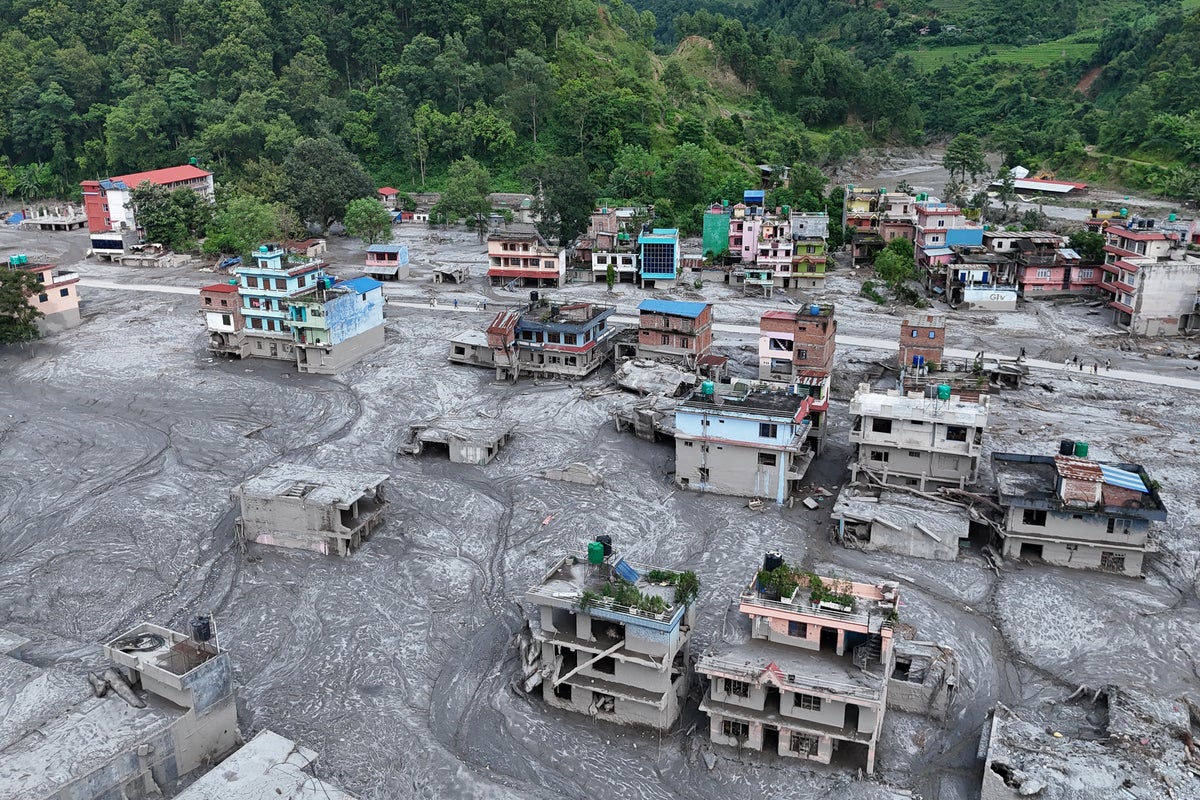
Every monsoon season, the headlines write themselves. A sudden cloudburst hits Nepal or the Tibetan plateau, rivers swell, mud swallows mountain passes, and missing foreign nationals trigger frantic consular updates from ministries in Paris, London, or Washington. The immediate reflex of mainstream media is predictable to a fault. We are handed a neat, tragic narrative about unpredictable weather extremes, angry climate systems, and the helpless vulnerability of modern adventurers against the wrath of nature.
It is a lazy consensus that lets everyone off the hook. Read more on a similar topic: this related article.
The missing French tourists in Nepal and Tibet are not merely victims of a rogue planet. They are casualties of an institutionalized illusion that the high mountains can be sanitized, scheduled, and consumed like a weekend trip to the Alps. For decades, the adventure tourism industry has sold a dangerous fiction: that with enough Gore-Tex, satellite tracking devices, and local guides, the roof of the world is a playground open twelve months a year.
I have watched operators market the monsoon season as an off-peak bargain, whispering about lush green valleys while conveniently glossing over the geotechnical reality of Himalayan mountain geography. When you strip away the romanticism, the disaster is rarely a bolt from the blue. It is the predictable outcome of bad timing, aggressive commercial scheduling, and a total cultural refusal to respect seasonal closures that local populations have honored for centuries. Additional reporting by AFAR explores similar views on this issue.
The Geography of Denial
To understand why people vanish in the Himalayas during peak monsoon, you have to look past the meteorological panic and examine the soil mechanics. The Himalayas are young mountains, still rising, structurally unstable, and held together by delicate root systems and ancient glacial till. When heavy monsoon rains slam into these slopes, the terrain does not simply get wet. It liquefies.
Yet, travel agencies continue to push itineraries deep into rain-shadow zones and remote trekking corridors during windows when local herdsmen and subsistence farmers have already pulled back to lower elevations. Why? Because the modern tourist economy runs on calendar availability, not ecological reality.
We treat extreme terrain as an amenity. When an avalanche buries a trail or a flash flood takes out a suspension bridge, the news reports treat it as an anomaly of climate volatility. But flash floods in river gorges during July and August are not anomalies. They are a baseline physical fact. Pretending otherwise allows outfitters to keep booking high-risk treks while shifting the moral burden onto the weather gods.
The Safety Blanket Fallacy
There is a widespread belief among modern travelers that technology makes consequence optional. Personal locator beacons, satellite text messengers, and real-time GPS tracking have created a psychological safety net that encourages people to push past rational limits. The logic goes that if things go sideways, a helicopter will drop out of the clouds and lift you to safety.
This is a catastrophic misunderstanding of mountain rescue realities.
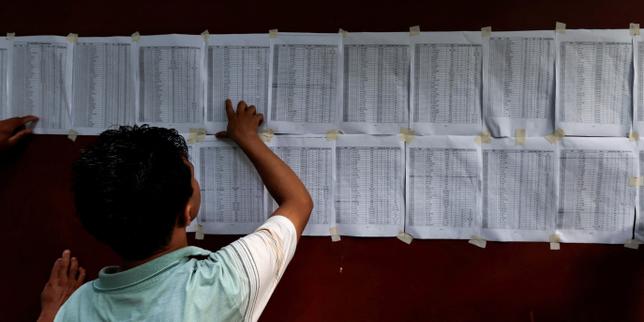
During heavy monsoon downpours, search and rescue helicopters are routinely grounded. Low cloud ceilings, zero visibility, high winds, and unstable landing zones turn rescue operations into suicide missions. When four French nationals go missing in remote sectors of Tibet or the Nepalese borderlands, the French Quai d’Orsay can issue diplomatic inquiries and local authorities can mobilize search parties, but the physical environment dictates the timeline. Often, that timeline means days or weeks of waiting while swollen rivers block ground teams.
Technology has not conquered the mountains; it has merely emboldened people to take risks they would never have touched thirty years ago. We have replaced good judgment with a gadget.
Rewriting the Rules of High-Altitude Risk
If we want to stop treating recurring Himalayan tragedies as tragic surprises, we need a complete overhaul of how adventure travel is regulated and consumed.
First, seasonal gatekeeping needs teeth. Local governments in Nepal and the Tibet Autonomous Region are often too economically dependent on tourist revenue to enforce mandatory trekking bans during peak hazard windows. They issue permits because they need the foreign currency, crossing their fingers that the statistics will hold. That needs to change. Insurance companies should refuse coverage for high-altitude trekking in high-risk zones during active monsoon months, and foreign ministries should issue categorical travel bans rather than polite advisory notes.
Second, we must kill the myth of the omnipotent guide. No amount of local expertise can outsmart a debris flow or a hillside collapse triggered by days of continuous rainfall. True mountain expertise is knowing when to stay home, not finding a clever workaround to bypass a red flag.
The mountains do not negotiate with your vacation schedule. They do not care about your flight back to Paris. Until we stop framing structural ecological realities as sudden acts of meteorological betrayal, people will keep walking straight into the mud, and we will keep acting surprised.