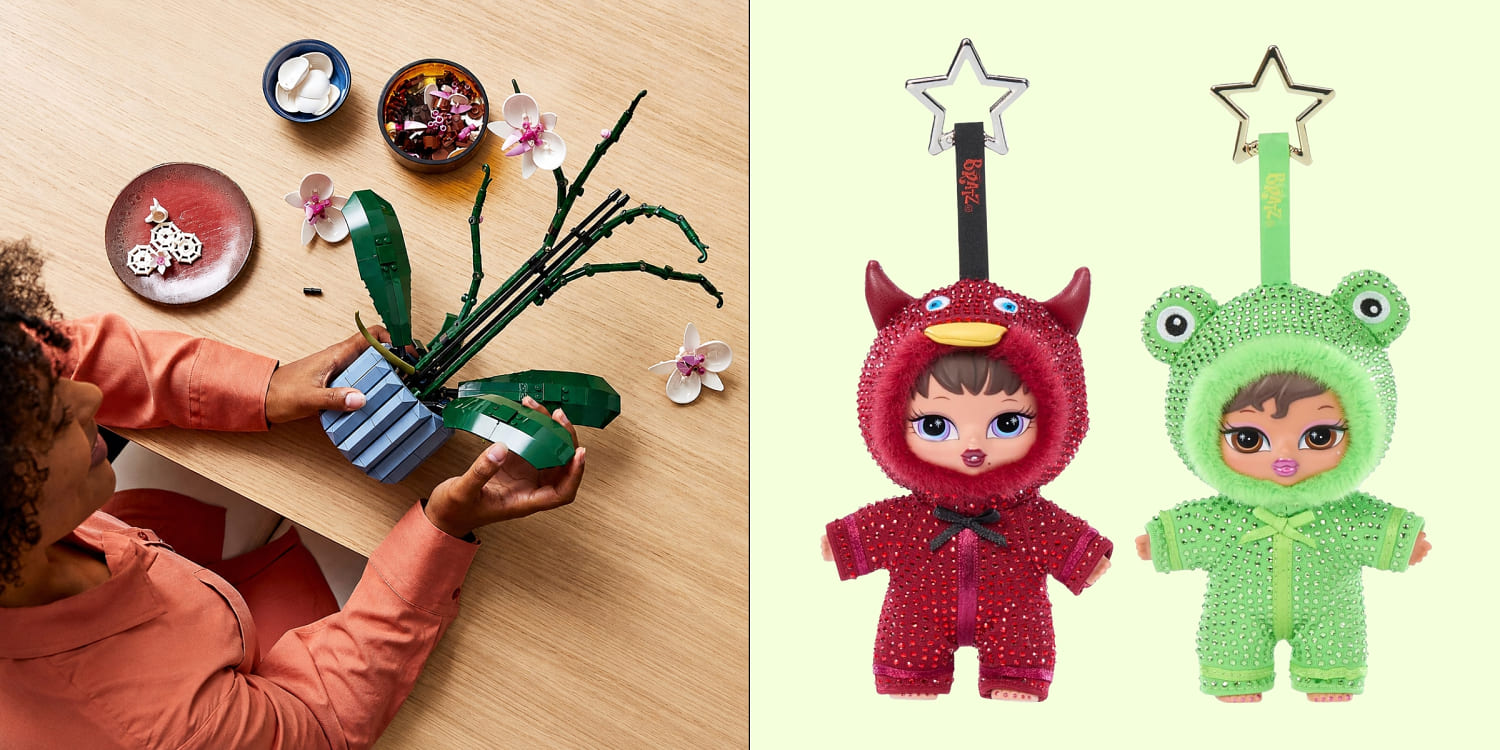
The media narrative surrounding the multi-billion-dollar surge in adults buying Lego sets, collectible plushies, and high-end action figures is lazy, comforting, and completely wrong.
Cultural commentators love to frame this phenomenon as a collective psychological retreat. They write long, sympathetic think pieces about terrified grown-ups seeking comfort in the pastel-colored plastic of their youth because the modern housing market is broken, corporate work is soul-crushing, and the geopolitical climate resembles a trash fire. The diagnosis is always the same: infantilization, arrested development, and therapeutic regression.
It is a neat story. It is also an insult to the intelligence of millions of consumers and a fundamental misunderstanding of modern economic behavior.
Adults are not buying plastic collectibles because they are emotionally stunted Peter Pans refusing to grow up. They are buying them because traditional markers of adult financial success have been systematically priced out of reach, and physical consumer goods offer the only remaining proxy for status and asset accumulation that an average wage can actually secure.
I have watched retail strategies shift over the past decade from the inside, tracking how brands pivot when traditional demographics flatline. The analysts wringing their hands over adult toy consumption are looking at the symptom and misidentifying the disease.
The Economics of Unattainable Milestones
Look at the standard lifecycle benchmarks that defined adulthood for previous generations. Owning a detached single-family home. Accumulating fine art, luxury timepieces, or vintage automobiles. These require capital reserves that are mathematically impossible for a vast portion of the workforce under thirty-five.
When a generation is locked out of real estate and traditional wealth-building vehicles, disposable income does not simply vanish into savings accounts. It looks for alternative stores of value and identity markers.
A limited-edition designer vinyl figure retailing for three hundred dollars is not a children's toy. It is a liquid, high-demand asset class with a secondary market on secondary platforms that often outperforms traditional mutual funds over a twelve-month horizon. Calling a sealed, mint-condition collectible a toy is like calling a collector's edition baseball card a piece of paper meant for schoolyard trades.
The market has adapted to a reality where traditional luxury is out of reach. Brands have simply filled the vacuum with sophisticated, design-forward objects that satisfy the human urge to curate, collect, and display taste without requiring a six-figure down payment.
The Nostalgia Trap
The lazy consensus relies heavily on the concept of nostalgia. People buy Transformers because they miss the Saturday morning cartoons of 1994.
This ignores why these products are selling so aggressively now compared to twenty years ago when those same consumers were actually children. If nostalgia were the primary driver, thirty-somethings would have cleaned out toy store shelves in the early 2000s when their childhood memories were fresh and their disposable incomes were low.
They didn't. The explosion happened when those cohorts reached their peak earning and consumption years, coinciding with a massive shift in how adults perceive leisure and identity.
Nostalgia is the marketing wrapper, not the core engine. The core engine is tribal signaling and aesthetic curation in an increasingly digital world.
When you spend your entire workday staring at spreadsheets, Zoom windows, and software interfaces, your physical environment lacks tactile reality. Digital goods cannot be placed on a shelf to signal your identity to visitors or provide a grounding sensory experience. Physical objects do. A meticulously engineered mechanical model kit provides a tangible problem-solving challenge that produces a concrete, finished artifact. That is not regression. That is a reaction against digital abstraction.
The Status Game Has Changed
For decades, middle-class status was communicated through cars, home decor, and clothing brands. Those signals have flattened. Fast fashion democratized style to the point of meaninglessness, and rideshares made vehicle ownership a logistical utility rather than a status symbol.
Enter the shelf.
The home office background during video calls became the new living room. Curating a backdrop filled with high-end designer toys, rare graphic novels, and intricate hobby builds is the modern equivalent of displaying a curated bookshelf of dense literature or a wall of fine art prints. It communicates subculture literacy, disposable income, and aesthetic alignment.
Brands understand this shift intimately. Look at how manufacturers market to adults versus children. They do not highlight play value, durability, or imaginative scenarios. They highlight piece counts, designer collaborations, display stands, and scarcity.
When a company releases a five-thousand-piece architectural set targeted at adults, they are selling a weekend-long project for a stressed professional, complete with an aesthetic object fit for a minimalist living room upon completion. To call that child's play is to display an aggressive lack of imagination.
The Flawed Questions We Keep Asking
Industry observers constantly ask why adults feel the need to escape reality through play. The question itself is poisoned by a false premise.
Adults are not escaping reality; they are upgrading their leisure.
Another common query revolves around whether this trend is a passing fad or a permanent structural shift in consumer habits. The data answers this plainly. Major toy conglomerates now report that adults and adolescents account for a massive, high-margin percentage of their annual revenue growth—sometimes exceeding twenty-five percent of total sales in key categories. Publicly traded toy companies restructured their entire product pipelines years ago to cater directly to this demographic. This is not a marketing campaign that will quietly fade away next quarter. It is a permanent pillar of modern retail.
How to Read the Market Correctly
If you are building a brand, investing in retail, or trying to understand modern consumer behavior, stop viewing demographics through antiquated generational lenses.
Evaluate utility through a different framework. When tangible assets become luxuries, consumers redirect their purchasing power toward micro-luxuries that offer identity expression and tactile satisfaction.
Do not design products that pander to childishness. Design products that respect an adult's intelligence, time, and desire for craftsmanship. The brands winning this space are not selling memories; they are selling sophisticated hobbies that double as interior design elements.
The next time you see a thirty-year-old meticulously assembling a complex plastic model or bidding on a rare collectible online, do not patronize them with talk of inner child healing. They are simply participating in a rational, highly evolved consumer market that understands the value of tangible joy in an intangible world.