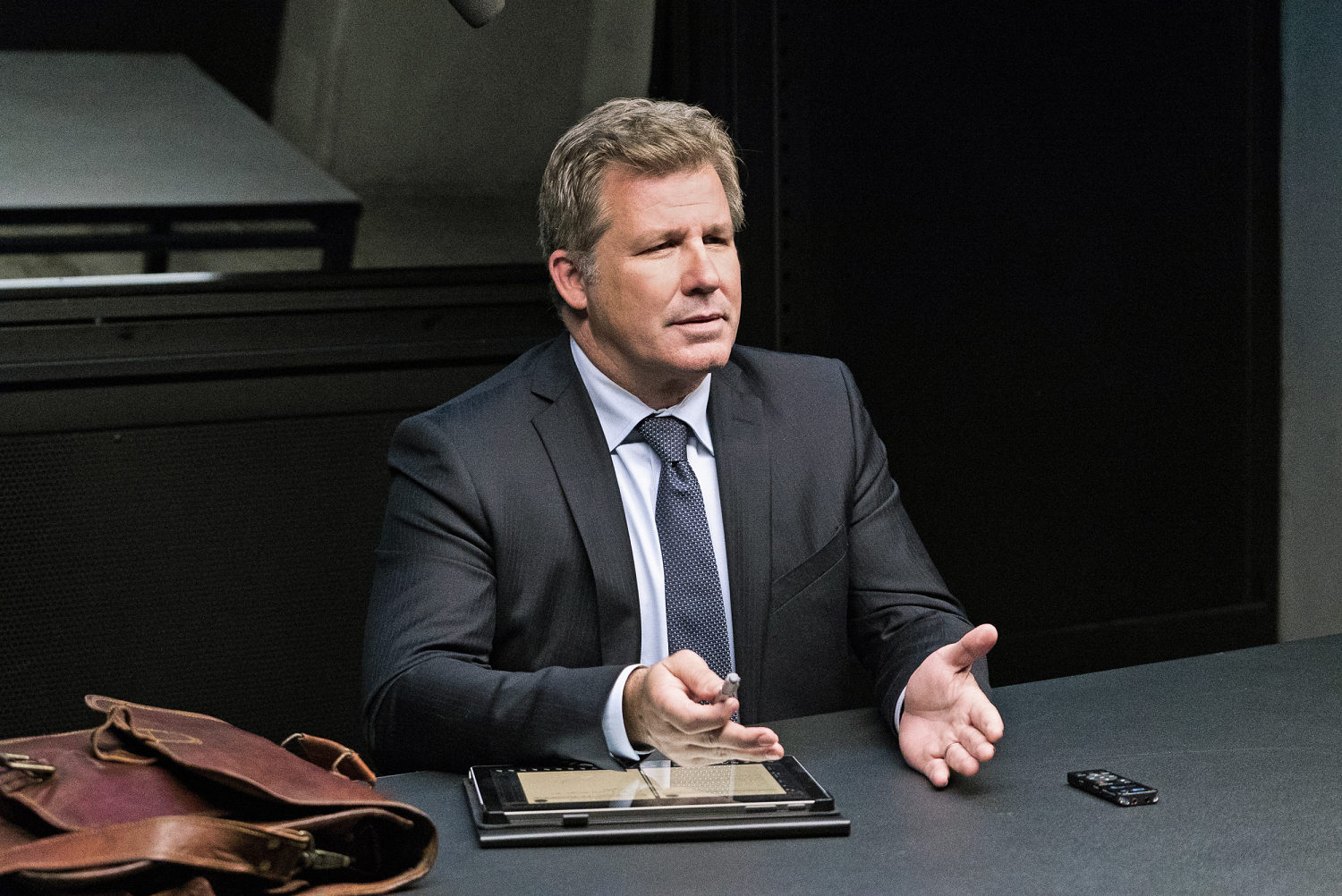
Sony Pictures Entertainment has officially announced Jeopardy! Con, the first multi-day fan convention in the quiz show's six-decade history. Scheduled for May 7 through May 9, 2027, in Washington, D.C., the three-day gathering promises interactive trivia, behind-the-scenes panels, live contestant casting opportunities, and a two-night live competition featuring iconic champions. Tickets go on sale in early 2027.
On the surface, it reads like a standard press release. A legacy television brand realizes its audience wants to gather in person, books a major city for a spring weekend, and prepares to sell badges. Look closer at the economics of broadcast syndication, however, and a sharper picture emerges. Television networks and studios are no longer satisfied with passive ad-supported viewing. They want direct-to-consumer revenue, high-margin experiential ticketing, and physical community building that cannot be skipped with a remote control.
The Economics Behind Taking America's Favorite Quiz Show on the Road
Syndicated television operates on a fragile, aging financial model. For decades, Jeopardy! printed money through local station licensing fees and traditional commercial spots. That engine still runs, pulling in millions of nightly viewers across linear broadcasts, yet linear reach erodes every single season as younger demographics abandon cable bundles and over-the-air antennas.
Sony Pictures Television understands that a twenty-two-minute nightly broadcast leaves massive amounts of fan enthusiasm—and disposable income—untapped. Over the past several years, executive producer Michael Davies has systematically worked to transform Jeopardy! from a syndicated television program into a year-round competitive sport. The introduction of postseason tournaments, Second Chance competitions, the Masters prime-time spinoff, and the official Inside Jeopardy! podcast all served a single purpose. They stretched a static half-hour show into an ongoing narrative with recognizable athletes, statistical leaderboards, and tribal fan loyalties.
A live convention is the logical next step in that sports-entertainment playbook.
Consider the math of live events compared to television syndication. When a fan watches at home, the studio collects fractions of a penny through advertising impressions. When that same fan books a flight to Washington, D.C., pays for three nights at a hotel, buys a weekend pass, and purchases exclusive merchandise on the convention floor, the revenue per user jumps by orders of magnitude. Sony isn't inventing a new business model here. They are borrowing directly from comic book conventions, podcast tours, and Bravo's wildly profitable BravoCon, translating that blueprint for an audience that prefers literature and history over reality television drama.
Why Washington D.C. Was the Calculated Choice
Event planners do not pick host cities at random. Sony bypassed Los Angeles, where the show tapes on the Sony Pictures Studios lot in Culver City, and skipped New York, the traditional capital of media upfronts. Instead, they planted their flag in the District of Columbia.
The demographics tell the whole story. Washington, D.C. possesses one of the highest concentrations of graduate degrees, policy wonks, researchers, journalists, and trivia obsessives in North America. Walk into any neighborhood pub in Dupont Circle or Capitol Hill on a Tuesday night, and you will find packed rooms fiercely contesting local bar trivia leagues. The city is practically a farm system for future Jeopardy! contestants.
Geography plays an equally critical role. Positioned squarely along the Northeast Corridor, D.C. sits within easy Amtrak or driving distance of New York, Philadelphia, Boston, and Baltimore. Millions of core viewers can reach the venue without buying an expensive cross-country plane ticket. Furthermore, May is peak tourism season in the capital. The weather is mild, school field trips have begun to thin out ahead of summer vacation, and the city's massive hospitality infrastructure can easily absorb thousands of visiting trivia fans without blinking.
What Actually Happens on the Convention Floor
Press releases love vague promises of "immersive experiences," so it helps to separate confirmed programming from standard promotional fluff. Based on Sony's official rollout, Jeopardy! Con rests on four concrete pillars.
The Two-Night Live Competition
The centerpiece of the weekend is an original, two-night live tournament pitting notable Jeopardy! champions against one another in front of thousands of spectators. Watching a taping in Culver City is notoriously intimate; the studio audience holds roughly two hundred people, and ticket lotteries fill up months in advance. Moving the stage into a massive D.C. auditorium changes the energy entirely. Live audiences react differently when surrounded by thousands of peers, turning routine Daily Double wagers into arena-sized moments.
Live Contestant Casting
For most viewers, getting on the Alex Trebek Stage remains a bucket-list obsession. The standard audition pipeline—taking the Anytime Test online, waiting months for a Zoom audition, and hoping to sit in the contestant pool for up to eighteen months—feels opaque and solitary. Hosting live casting sessions on-site gives attendees a tangible shot at bypassing the digital waiting room, serving as an undeniable draw for serious hopefuls.
Production Panels and Behind-the-Scenes Access
The show's writing staff, researchers, and producers rarely step out from behind the curtain. Live panels featuring host Ken Jennings, the clue crew, and the editorial team allow hardcore fans to dissect how categories are constructed, how Triple Stumpers happen, and how modern pop culture balances against classical academia.
Interactive Fan Quizzes and Social Gatherings
Alongside welcome parties and closing celebrations, the schedule includes interactive trivia events designed for attendees to test their buzzer speed against fellow fans. The show has already tested these waters through traveling live podcast tapings and local bar trivia takeovers, discovering that fans want to compete just as much as they want to watch.
The Logistics Trap Sony Must Avoid
Running a first-year convention is brutal. Industry veterans have watched countless media brands stumble during inaugural events because executing a television broadcast and executing a live convention require completely different operational muscles.
A television studio is a controlled environment. If a buzzer malfunctions or a judge needs four minutes to verify an alternate phrasing on a clue, editors simply cut the dead air out of the final broadcast. Nobody at home ever sees the friction. On a live convention stage in front of a paying crowd, technical delays stall momentum immediately. Sound mixing in large convention halls also presents a notorious headache; if the audience cannot clearly hear every syllable of Ken Jennings reading a clue, the entire rhythm of the game collapses.
Then there is the pricing tightrope. Sony has deliberately held back ticket pricing until early 2027, likely gauging initial demand through email sign-ups before locking in tiers. If general admission passes are priced too aggressively, casual D.C. locals will stay home. Conversely, if Sony fails to offer enough high-tier VIP packages—meet-and-greets with champions, photo opportunities behind an authentic podium, reserved floor seating—they will leave substantial money on the table from superfans willing to pay premium rates.
Crowd flow is another silent killer of first-time conventions. When thousands of attendees try to funnel into a single ballroom for a headline tournament or queue up for a limited-capacity casting session, poorly managed lines quickly sour the mood. Social media turns on event organizers within minutes when badge pickup stalls or rooms hit fire-marshal capacity an hour before a panel starts.
The Risk of Overexposing a Classic Brand
Beyond logistics lies a deeper creative question. Part of Jeopardy!'s enduring appeal stems from its dignified restraint. While other game shows rely on flashing strobe lights, deafening music cues, and manufactured emotional meltdowns, Jeopardy! has spent over sixty years trusting that smart people answering difficult questions is compelling enough on its own.
Turning that quiet nightly ritual into a loud, multi-day commercial expo carries an inherent risk of dilution. Fans have already voiced occasional fatigue online regarding the proliferation of spin-off tournaments, fearing that constant special events make regular season play feel less meaningful. If Jeopardy! Con leans too heavily into corporate sponsorships, noisy activations, and relentless upselling, it risks alienating the exact purists who treat the show with near-religious reverence.
At the same time, standing still in modern entertainment is a death sentence. Legacy brands that refuse to meet their audiences in the physical world slowly fade into background noise. By planting Jeopardy! Con in Washington, D.C. for May 2027, Sony is betting that trivia isn't just a solitary living-room pastime—it is a community willing to buy a ticket and show up.
Anyone planning to attend should register for updates directly at Jeopardy.com/JeopardyCon ahead of the early 2027 ticket drop, because if the fervor of the show's online fanbase translates to real-world demand, those first-year passes will disappear fast.