The air in the apartment smelled of old wallpaper and trapped, heavy dust.
Mathieu reached for the brass handle of his living room window, hoping for a breeze, but the metal scorched his palm. Outside, the streets of Brussels looked wavy, distorted by a thick curtain of heat rising from the asphalt. It was only June. June was supposed to mean café terraces, cool rains, and the gentle transition into summer.
Instead, the city felt like a closed oven.
We often think of disasters as loud things. We expect the tearing shriek of a tornado, the sudden roar of a flood, or the violent shudder of an earthquake. Heat is different. It is a quiet killer. It creeps through the brickwork of century-old European buildings, settles into the concrete, and refuses to leave. It does not knock down walls; it simply stops the heart.
During a sudden, brutal spike in temperature last June, the reality of this quiet threat became undeniable. The numbers released by public health authorities told a stark story, but numbers are cold. They do not capture the panic of a body trying to cool itself down in a room that has turned into a trap.
The Anatomy of an Invisible Crisis
When the thermometer pushes past thirty-five degrees Celsius in a region built for a cooler era, infrastructure fails in ways you cannot see.
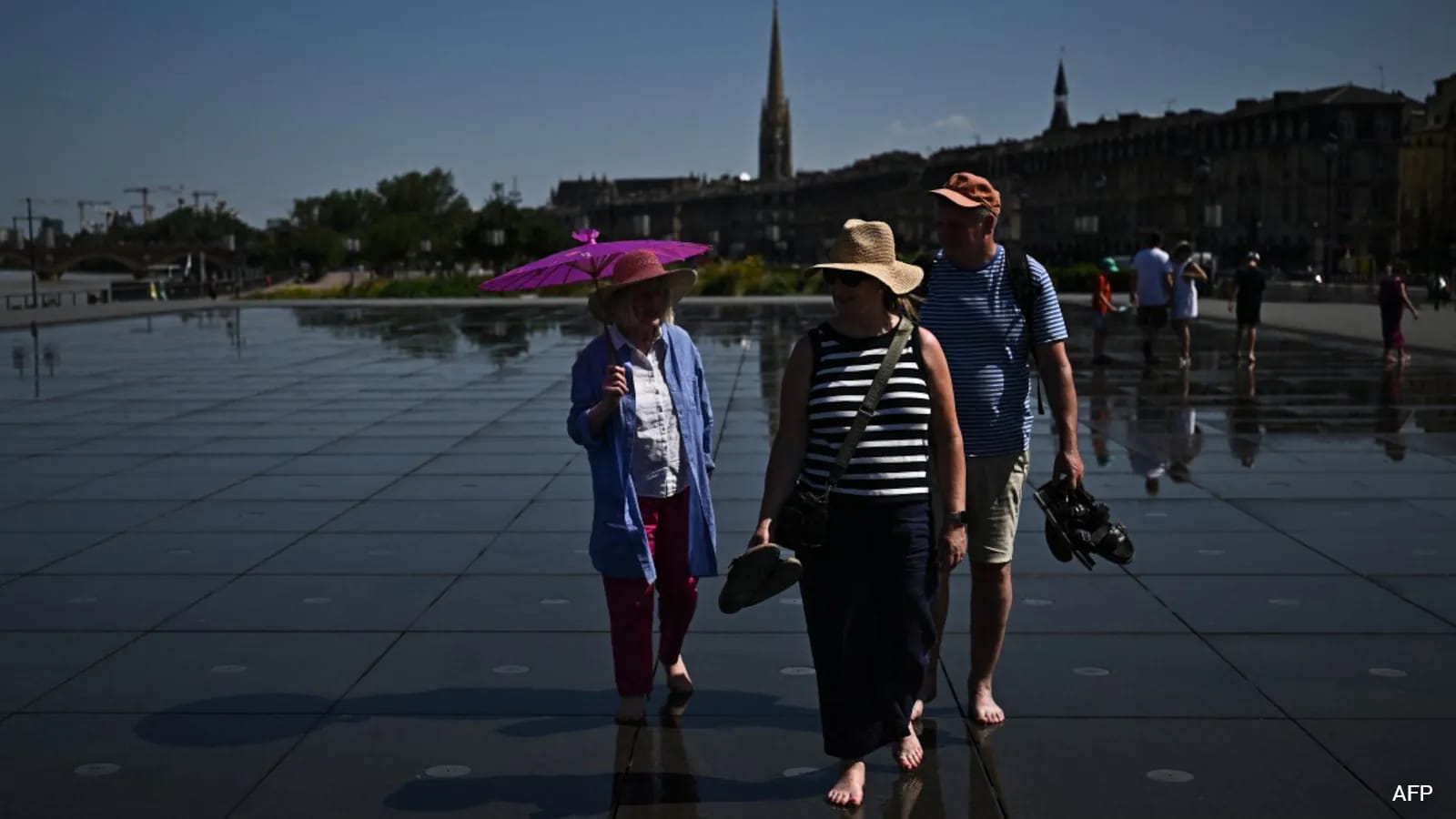
Most homes in Belgium do not have air conditioning. They were designed to trap heat, to keep families warm during the long, gray winters of northwestern Europe. Dark roof tiles absorb the sun. Thick brick walls hold onto the warmth. When a heatwave hits, these homes become thermal batteries, charging up during the day and radiating intense heat all through the night.
Consider what happens next.
The human body relies on a delicate internal thermostat. To dump excess heat, the heart must pump blood faster, directing it toward the skin where sweat can evaporate and cool the system. But when the air is stagnant and the humidity rises, sweat stays glued to the skin. The heart pumps harder and harder. For the young and athletic, this is exhausting. For the elderly, or those with underlying conditions, it is a race their bodies cannot win.
The statistics from that June period showed a sharp, unmistakable spike in mortality rates, far above the five-year average. It was not a slow increase. It was a sudden, violent leap. Emergency rooms filled with patients suffering from severe dehydration, heatstroke, and acute respiratory distress. The system, strained by the sheer volume of distress calls, struggled to keep up.
Behind the Statistical Veil
To understand the true weight of a heatwave, one must look past the graphs and into the daily routines that quietly fractured.
Imagine an elderly woman named Elodie. She has lived in the same third-floor apartment near the Place Sainte-Catherine for forty years. She knows every creak in the floorboards. Usually, she walks to the local market every morning. But when the June heat hit, the air outside felt like a physical barrier. The concrete radiated heat like a stovetop.
Elodie stayed inside. She closed her heavy curtains, hoping to block out the sun.
By afternoon, the air inside her apartment reached thirty-four degrees. With no fan and no cross-breeze, her body began to struggle. She felt dizzy, confused, and terribly thirsty, but the kitchen felt miles away. This is how the tragedy unfolds. It happens behind closed doors, in quiet apartments, without a sound. When neighbors eventually notice the silence, it is often too late.
The spike in June deaths was largely driven by these isolated incidents. It was a crisis of vulnerability, where geography, architecture, and age converged into a perfect storm. The urban heat island effect meant that cities like Brussels and Antwerp remained suffocatingly hot even after the sun went down, depriving the human body of the nightly recovery period it desperately needs.
Redefining Our Relationship with Summer
We have spent decades romanticizing the arrival of summer, viewing it as a season of pure relief. That perspective is no longer tenable.
The data from Belgium is a warning sign for the entire continent. Europe is warming faster than any other continent on Earth, and its cities are fundamentally unprepared. The traditional response—issuing weather alerts and advising people to drink more water—is a band-aid on a gaping wound.
The real problem lies in how we build, how we live, and how we care for the most vulnerable members of our communities.
Fixing this requires a massive shift in urban planning. We need to replace dark asphalt with reflective surfaces. We need to plant urban forests that act as natural air conditioners, lowering local temperatures through transpiration. Most importantly, we need to rethink social care, ensuring that isolation does not become a death sentence when the temperature rises.
Mathieu finally pulled his hand away from the hot window brass. He sat down in the dark of his living room, listening to the distant, occasional wail of an ambulance siren cutting through the heavy summer air. He knew, with absolute certainty, that the city outside his door was changing, and the cost of ignoring that change was already being paid in silence.