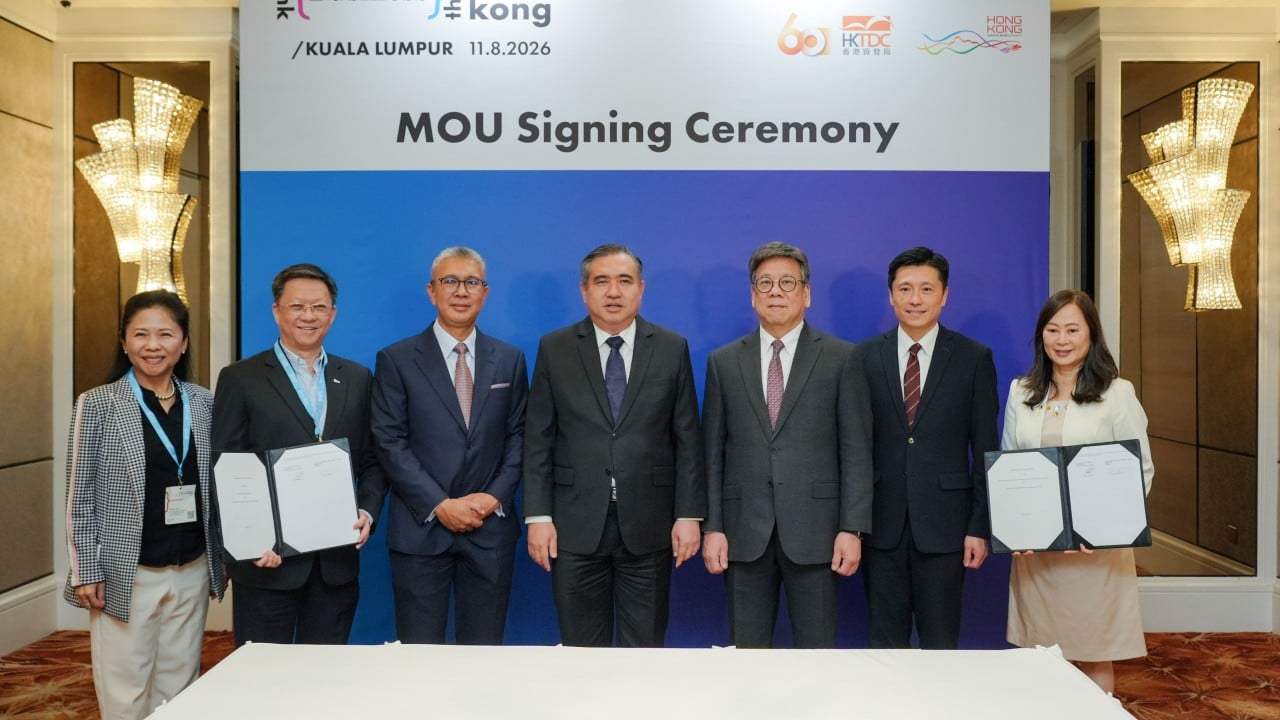
Another week, another ceremonial photo op. Executives and trade officials gather in Malaysia, flash their best smiles, swap ceremonial pens, and sign three tidy memoranda of understanding. The headlines trumpet a triumphant deepening of Hong Kong and ASEAN regional cooperation. Ink hits paper. Everyone clogs their LinkedIn feeds with self-congratulatory platitudes about bridges, corridors, and mutual prosperity.
It is theatre. Expensive, corporate kabuki designed to mask a fundamental decay.
I have watched corporate boards and economic development agencies blow millions on international agreements that achieve precisely nothing outside of a quarterly newsletter. They treat trade pacts like magic spells. They assume that if you write the words regional cooperation on an official document, concrete economic output magically materializes from the ether.
It does not work that way.
Here is the lazy consensus of the mainstream business press: Hong Kong needs to diversify its trade routes into Southeast Asia, and signing MOUs with Malaysian entities is the fast track to securing that future. The premise sounds logical on the surface. ASEAN is growing. Malaysia is a hub for electronics and digital services. Hong Kong needs new growth engines.
Except the premise is built on quicksand.
An MOU is not a contract. It is a polite piece of paper that says, "We agree that we both like the idea of making money." It carries zero legal obligation. It requires no capital commitment. It establishes no operational accountability. When a business reporter calls these agreements a deepening of economic ties, they are confusing activity with progress. Real economic integration is messy, expensive, and driven by private capital seeking arbitrage, not by bureaucrats exchanging leather-bound folders in air-conditioned ballrooms.
Let us dismantle the illusion piece by piece.
The Structural Delusion of Bureaucratic Trade Bridges
Hong Kong built its entire economic mythology on being the hyper-efficient super-connector between mainland China and the rest of the world. That model relied on a unique set of institutional advantages: absolute capital mobility, a trusted common-law legal system, minimal friction, and lightning-fast logistics.
When you lose velocity in those core competencies, you cannot paper over the cracks by signing non-binding agreements with Malaysian trade bodies.
If a Malaysian tech firm wants to expand into the Greater Bay Area, do they need an MOU signed between trade associations? Absolutely not. They need clear tax incentives, predictable visa regimes for engineering talent, and frictionless banking compliance. If Hong Kong cannot solve its choking compliance bottlenecks and talent drain, a thousand signed memorandums will not convince a single chief executive to move headquarters or capital.
I have seen companies blow millions on international expansion strategies driven entirely by executive vanity and photo-op diplomacy. They fly delegations business class, host lavish networking dinners, sign framework agreements, and then wonder why revenue flatlines twelve months later.
The market does not reward intention. The market rewards execution.
What the Mainstream Media Misses About ASEAN
The standard narrative paints ASEAN as a monolith of untapped opportunity just waiting for Hong Kong capital to rescue it. This ignores the fierce, hyper-local realities on the ground in Southeast Asia.
Malaysia is not a passive sponge waiting for Hong Kong direction. Kuala Lumpur has its own aggressive industrial policies, its own strategic ambitions in semiconductors, and its own complex domestic political dynamics. Malaysian firms are already deeply plugged into global supply chains through Singapore, Tokyo, and Shenzhen. They do not need a middleman from Victoria Harbour to show them how to do business globally.
When Hong Kong entities sign these pacts, they often treat ASEAN as a monolith. They assume that because an MOU is signed with a Malaysian agency, doors will automatically open across Kuala Lumpur, Penang, and Johor.
The reality is radically different. ASEAN is fiercely fragmented. Regulatory standards vary wildly from one jurisdiction to the next. Local content laws, bumiputera equity policies in Malaysia, and complex bureaucratic red tape mean that entering these markets requires deep, boots-on-the-ground operational grit. A ceremonial signature in a hotel ballroom does not bypass local labor laws or accelerate licensing approvals by a single day.
The Real Numbers Don't Match the Press Releases
Let us look at actual structural flows rather than diplomatic theater.
Trade between Hong Kong and ASEAN is substantial, yes. But look under the hood. A massive percentage of that trade is re-export transit cargo moving through ports, driven by established multinational logistics networks that existed long before today's politicians started holding press conferences.
Those supply chains operate on cold-blooded cost-benefit analysis. They use Hong Kong because of logistics efficiency and historical port infrastructure, not because someone signed a memorandum of understanding last Tuesday. When those logistics advantages face cost pressures or regulatory friction, the cargo moves elsewhere—straight to Shenzhen, directly to Singapore, or around Hong Kong entirely.
Pretending that signing a piece of paper about regional cooperation alters these hard logistical realities is a dangerous delusion. It gives policymakers and corporate executives a false sense of security, allowing them to check a box and pretend they are tackling structural decline while the core plumbing leaks.
How to Actually Capture Southeast Asian Markets
If you want to build durable economic ties between Hong Kong and Malaysia, you have to throw out the playbook of ceremonial diplomacy and adopt a pragmatic, sweat-equity model.
First, stop funding trade missions that produce press releases instead of balance sheet revenue. If your international expansion strategy cannot be measured by net new customer acquisition within ninety days, cancel it.
Second, focus on micro-friction reduction rather than macro-framework agreements. The single biggest barrier preventing smaller Hong Kong enterprises from tapping into ASEAN is not a lack of bilateral goodwill; it is banking friction, cross-border payment compliance nightmares, and a lack of mutual professional credential recognition. Fix those specific, boring, bureaucratic hurdles. Make it dead simple for a Malaysian engineer to open a corporate bank account in Hong Kong without enduring a six-month compliance purgatory. That is actual work. That is what moves the needle.
Third, recognize that Hong Kong must compete on value, not nostalgia. For decades, Hong Kong won because it was the only game in town. Today, Singapore is out-executing everyone in wealth management and tech talent attraction, while mainland hubs are out-innovating in hardware and artificial intelligence. Clinging to the title of super-connector while offering the exact same bureaucratic boilerplate gets you left behind.
The Hard Truth About Regional Cooperation
Regional integration is not a spectator sport. It is not something you achieve by inviting journalists to watch men in dark suits shake hands over folders.
Every hour spent negotiating a non-binding memorandum of understanding is an hour stolen from fixing the domestic operational inefficiencies that are actually driving capital and talent away from Hong Kong. Every dollar spent on grandiose trade delegations is a dollar not invested in digital infrastructure, regulatory agility, or local talent development.
The next time you see a headline about historic trade agreements and deepened cooperation, check the fine print. Look for the binding capital commitments. Look for the concrete regulatory changes.
If you find nothing but vague commitments to explore future collaboration, save your applause.
Stop signing papers. Start fixing the fundamentals.