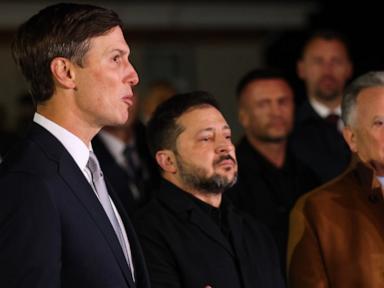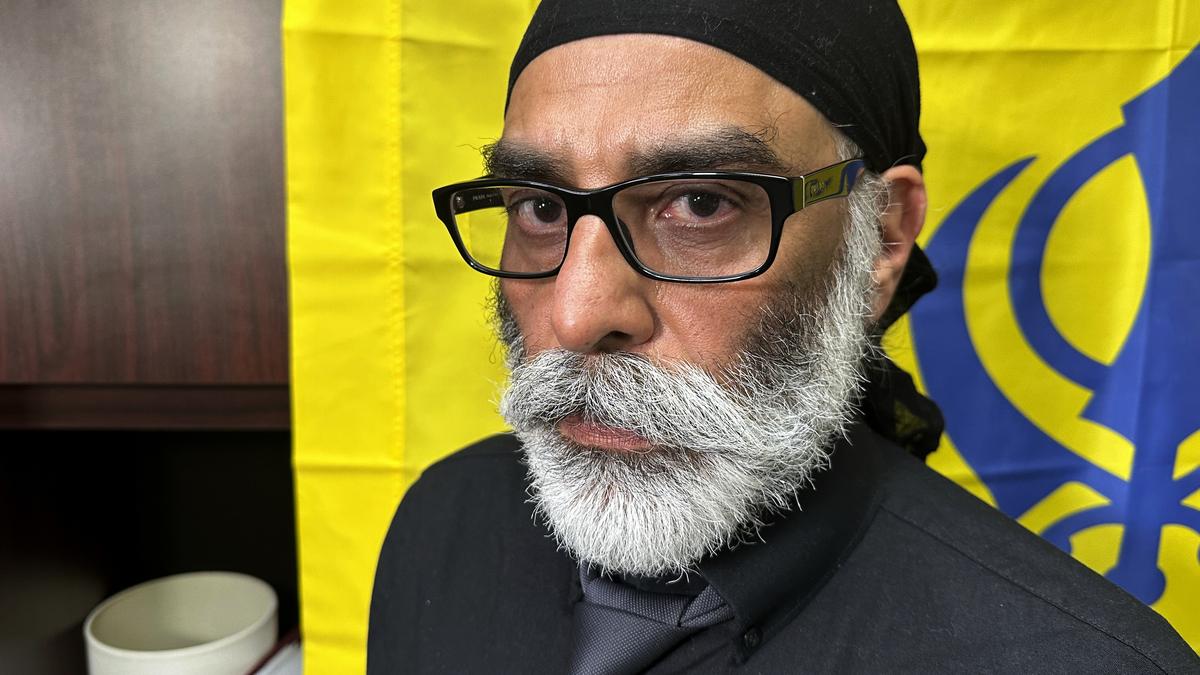
Rain hits the glass of a diplomatic lounge in North America, blurring the sodium lights of a quiet boulevard into streaks of amber. Inside, two men sit across from each other with untouched cups of black tea. One holds a thick briefing folder bound in navy linen; the other watches the condensation slide down his ceramic mug. Neither speaks for nearly a minute.
Diplomacy usually lives in rooms like this. It smells of damp wool, paper, and quiet restraint. Don't miss our previous coverage on this related article.
Yet behind every polite greeting between capitals sits a second conversation—one conducted without microphones, press releases, or embassy flags. When a foreign intelligence agency reaches across borders to track, intimidate, or eliminate someone labeled a threat by its home government, the room changes. Suddenly, the tea feels colder. The handshake carries weight.
For India’s external intelligence wing, the Research and Analysis Wing—known almost everywhere as R&AW—covert action abroad is not a brand-new debate. Intelligence agencies everywhere test boundaries. Some push until something breaks. Others pull back when the cost to trade, alliances, or national standing rises too high. What makes recent scrutiny around alleged overseas operations so charged is not merely what happened in the shadows. It is how those shadows fall across open partnerships that took decades to build. To read more about the history of this, The Guardian offers an in-depth summary.
Two Worlds Under One Roof
Foreign policy is a balancing act between what a country wants and what its partners can tolerate.
Consider a hypothetical diplomatic attaché—let us call her Meera—stationed in a Western capital. Her morning begins with trade tariffs, visa backlogs, and joint defense briefings. Her afternoon might bring an urgent cable from home asking for quiet background on a dissident or activist living three neighborhoods away. Meera did not join the foreign service to play spycraft. She joined to negotiate ports, technology transfers, and regional security pacts. Yet when covert allegations surface in local newspapers or intelligence leaks, her calendar fills up with awkward calls from host officials who look her in the eye and ask questions she cannot answer.
That tension is real across many capitals, even when specific accusations remain contested or under investigation. I have spent years watching how foreign policy crises ripple through ordinary people—trade negotiators losing momentum over a single heated meeting, students worrying about routine visa renewals, families caught between two homelands they love. When trust frays at the top, friction shows up in small, daily places long before treaties ever change.
To understand why overseas covert operations strain international ties, think of a bilateral relationship as a bridge built over fast water. Trade is the steel deck. Shared security interests are the cables. Diplomatic goodwill is the concrete anchor sunk into both banks. A single heavy shock—an alleged plot on foreign soil, a leaked dossier, a public rebuke from a host government—does not always collapse the bridge overnight. Often, it cracks the concrete. Engineers can patch steel. Repairing trust takes years.
I will admit something candidly: intelligence work is dizzying to judge from the outside. Governments rarely lay bare their full files, and adversaries often spin half-truths for advantage. Sometimes facts emerge slowly through court filings, diplomatic expulsions, or quiet backchannel negotiations. Being honest about that fog matters. If a writer claims total certainty where governments guard secrets closely, trust disappears. What we can examine clearly is the pattern of cause and consequence—how covert reach abroad interacts with sovereignty, domestic politics, and strategic necessity.
Why Capitals Look Past the Curtain
Nations rarely end a major partnership over a single dispute when big interests collide.
For decades, major powers—including the United States, European states, and regional neighbors—have cultivated deeper ties with New Delhi. Why? Geography and power politics do much of the heavy lifting. A rising, populous democracy sitting astride key sea lanes and land borders matters to supply chains, maritime security, and regional counterweight calculations. When a country holds that kind of strategic weight, partners tend to separate headline friction from long-term alignment.
History backs this up. Cold War capitals routinely looked away from covert operations by allies when shared threats felt larger. Even in recent decades, intelligence services have clashed privately while governments kept signing defense or trade agreements publicly. Diplomats call it compartmentalization: keeping the espionage box closed while the economic and strategic doors stay open.
Yet compartmentalization has limits. Every host country guards one principle above almost all others: sovereignty over its own territory and residents. When an intelligence operation crosses that line—especially if it involves coercion, surveillance, or violence inside another sovereign state—the host government faces intense domestic pressure to respond. Lawmakers demand answers. Intelligence chiefs bristle at perceived encroachment. Even friendly governments cannot simply shrug off actions that look like an assault on their legal authority.
There is also a domestic side to the story that outsiders sometimes miss. In capitals where security threats feel immediate—whether from cross-border militants, separatist networks, or hostile neighbors—leaders often face fierce pressure to project strength. To supporters at home, aggressive reach can look like decisive protection of national security. To partners abroad, the same move can look like reckless overreach that risks alienating the very allies needed most.
The Quiet Costs That Rarely Make Headlines
Dramatic headlines fade fast. Quiet friction lingers.
Imagine a hypothetical mid-sized exporter—let us call him David—running a precision-parts firm in the Midwest that relies on components made in South Asia. Nothing in his factory changes on the day a diplomatic spat breaks out. Machines still hum. Containers still ship. Yet behind the scenes, regulatory reviews slow down by two weeks. A planned trade delegation gets postponed. Bankers add an extra layer of caution to cross-border financing. David never sees the secret cables, but he feels the drag in his quarterly numbers.
Multiply that friction across defense cooperation, intelligence sharing, visa processing, and student exchanges, and the stakes come into sharp focus. Intelligence sharing, in particular, runs on a currency far scarcer than money: confidence. If one side suspects the other might act unilaterally on its soil without warning, intelligence officers share less, double-check more, and keep sensitive leads closer to the vest.
Skeptics sometimes argue that great powers always put hard interests first, so ties will bounce back regardless. There is truth in that realism. Markets adapt. Strategic incentives endure. Still, resilience is not the same as untouched strength. A relationship strained by repeated trust deficits moves slower when crisis hits. A joint response to a regional flashpoint that once took hours can bog down in hesitation.
Even relationships with smaller or neighboring countries carry distinct pressures. In South Asia and the Indian Ocean region, history, borders, and domestic politics are tightly braided. Any perception of heavy-handed interference can fuel nationalist backlash, push neighbors toward rival powers, or complicate regional trade and transit corridors. What looks like a sharp tactical move in one capital can echo for a generation in another.
Choosing Between Leverage and Legitimacy
Every intelligence agency faces a timeless dilemma: what works in the short term can weaken standing over the long haul.
Covert action promises speed and deniability. A problem is addressed quietly, away from slow courts and messy public debate. Yet modern scrutiny makes pure invisibility harder to sustain. Leaks happen. Courts subpoena records. Journalists follow paper trails across continents. When a covert operation is exposed—or credibly alleged—the fallout often hits harder than the original action ever intended.
Legitimacy, by contrast, is slow to earn and easy to lose. When a country builds influence through rule of law, transparent partnerships, and mutual respect for borders, its standing compounds over time. Allies rally faster. Neighbors worry less. Diplomatic capital becomes real power when crises erupt.
That does not mean intelligence agencies vanish or stop gathering secrets. Every major state maintains foreign intelligence capabilities to warn leaders of danger, track threats, and protect citizens. The real test is discipline—knowing where vital defense ends and diplomatic self-sabotage begins.
Back in that rain-streaked lounge, the tea is cold now. The two men finally stand. Outside, traffic moves steadily along the wet pavement, carrying ordinary people toward home, work, and uncertain tomorrows.
A handshake still closes the meeting. Yet both men know the room has changed. Words carry extra care. Promises take longer to weigh. In global politics, the sharpest shifts rarely happen with a shout; they begin the moment two sides realize that what happens in the dark can still alter everything in the light.