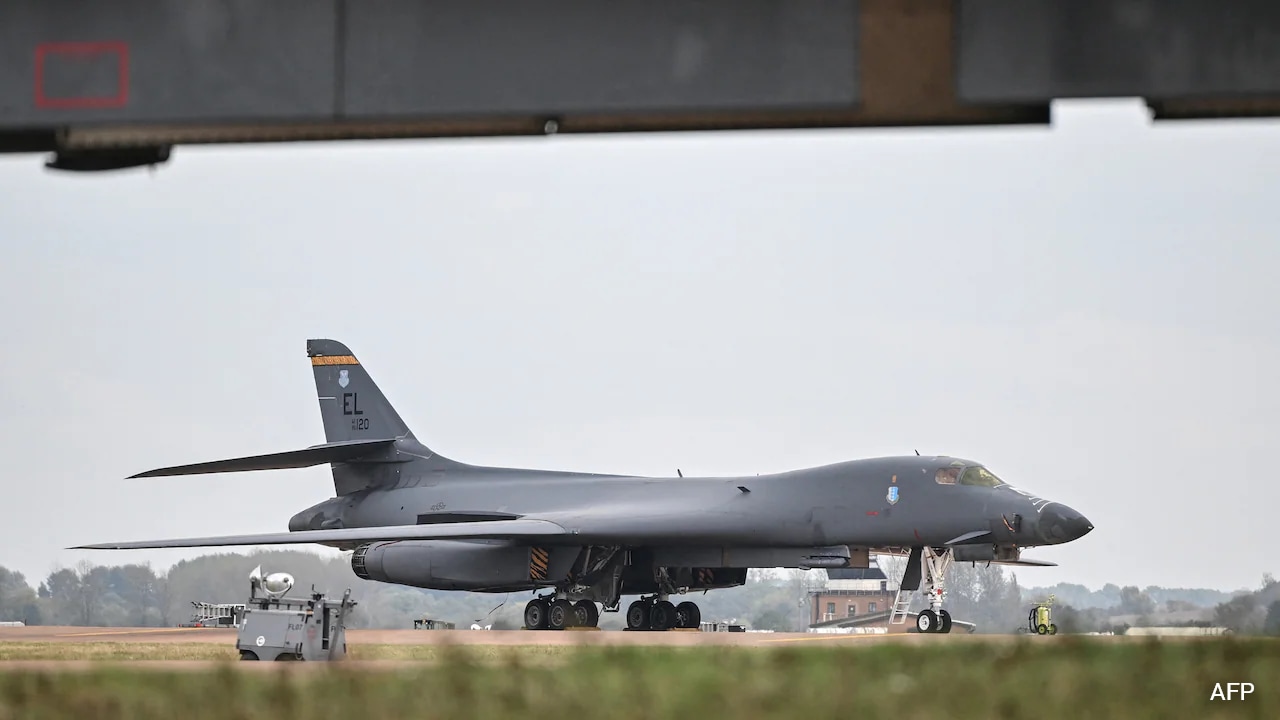
When reports broke that a Saudi Aramco office in Riyadh took damage during Houthi strikes, oil traders didn't panic—and that's the part most headlines completely miss.
You'd think a direct hit on anything carrying the Aramco name inside the Saudi capital would send Brent crude spiraling past $100 a barrel before lunch. It didn't. Markets twitched, analysts fired off rapid-fire notes on X, and traders went right back to watching shipping lanes in the Red Sea and tanker loadings in the Persian Gulf.
Why? Because there's a massive difference between damaging an administrative office building in Riyadh and knocking out a crude processing hub in the Eastern Province. If you don't understand how Saudi Arabia's energy infrastructure is physically and operationally separated, every headline about a "Saudi Aramco strike" is going to mislead you.
Let's break down what actually happened, why the Houthis target Riyadh in the first place, and what signals actually matter if you're tracking geopolitical risk in the Middle East.
The Riyadh Office Strike vs. Actual Oil Production
First, look at the geography. Riyadh sits in the central Najd plateau, hundreds of kilometers inland from the Persian Gulf coast.
Saudi Aramco's corporate headquarters isn't even in Riyadh—it's in Dhahran, over in the Eastern Province. That eastern coastal strip is where the real heavy lifting happens. Ghawar, the world's largest conventional oil field, runs south of Dhahran. Abqaiq, the massive crude stabilization facility that processes roughly half of Saudi Arabia's oil output, sits right there too. Ras Tanura, the primary export terminal, juts out into the Gulf just up the coast.
So when a Houthi drone or missile damages an Aramco office in Riyadh, it's hitting administrative, commercial, or regional support space. It isn't touching wellheads, pipelines, or export terminals. Zero barrels of crude come off the global market when an office window blows out or a roof section catches shrapnel in the capital.
Honestly, people conflate the brand name with the physical barrels all the time. I've watched retail traders buy oil futures on breaking news alerts just because the words "Saudi Aramco" and "attack" appeared in the same sentence, only to get burned an hour later when the market realizes no production capacity went offline.
How Riyadh's Air Defenses Handle Inbound Threats
Saudi Arabia's Royal Saudi Air Defense Forces operate one of the densest layered air defense networks on the planet around Riyadh. Patriot batteries, THAAD interceptors, and radar arrays constantly scan the southern approaches toward Yemen.
In almost every strike targeting the capital, the damage on the ground doesn't come from an intact warhead scoring a clean bullseye. It comes from interception debris. When a Patriot interceptor destroys a ballistic missile or a long-range Samad-class drone at high altitude, several tons of twisted metal and unburned propellant still have to fall somewhere. Gravity always wins.
That's why the Saudi Ministry of Defense routinely reports "limited material damage" to civilian buildings, diplomatic quarters, or corporate offices following an interception. Even a successful shoot-down leaves wreckage scattered across urban districts.
Why the Houthis Keep Aiming at Riyadh
If hitting an office in Riyadh doesn't stop a single drop of oil from flowing to Asia or Europe, why do the Houthis burn expensive long-range drones and ballistic missiles trying to reach the capital?
Because it's psychological warfare, plain and simple.
The Houthis—formally known as Ansar Allah—have spent years building an asymmetric deterrence strategy. They know they can't match the Saudi military tank-for-tank or jet-for-jet. What they can do is prove that the Saudi interior isn't untouchable.
Riyadh is the political heart of the Kingdom and the showcase for Crown Prince Mohammed bin Salman's Vision 2030 economic transformation. Foreign executives, sovereign wealth fund managers, and international diplomats live and work there. Every time air raid sirens wail over Riyadh or smoke rises near a recognizable corporate facility, it sends a message to foreign investors that the security umbrella has holes.
It's a calculated play for headlines. Striking a remote desert pumping station barely registers on Western evening news unless oil prices spike. Striking anything tied to Saudi Aramco inside the capital guarantees global media coverage within minutes.
Looking Back at Strikes That Actually Shook Energy Markets
To understand why the market shrugged off the Riyadh office damage, compare it to the Houthi attacks that genuinely terrified energy ministries around the world.
In September 2019, a coordinated swarm of drones and cruise missiles slammed directly into the Abqaiq processing plant and the Khurais oil field. That attack knocked out roughly 5.7 million barrels per day of crude production—more than 5 percent of the entire world's daily oil supply—in a single morning. Brent crude surged nearly 20 percent at the market open, the biggest single-day jump since the 1991 Gulf War.
Then came March 2022. Ahead of the Saudi Arabian Grand Prix in Jeddah, Houthi forces struck a Saudi Aramco bulk distribution plant just miles from the Formula 1 track. Thick black smoke billowed over the circuit while drivers were literally running practice laps on live television. Even though Jeddah is a domestic fuel distribution hub rather than a major crude export terminal, the sheer audacity of hitting a fuel depot during a global sporting event forced emergency diplomatic talks and a temporary truce weeks later.
Compare those two events to office damage in Riyadh:
- Abqaiq (2019) hit irreplaceable stabilization towers, stripping millions of barrels from global supply.
- Jeddah (2022) ignited massive fuel storage tanks on live international broadcast, creating an immediate PR and safety crisis.
- Riyadh office strikes cause localized structural damage in an administrative zone with zero impact on export loading schedules.
The difference isn't subtle. One disrupts physical energy flows; the other is political signaling.
What Saudi Aramco and Riyadh Do Behind the Scenes
Saudi Aramco doesn't treat security lightly. Since 2019, the company and the Saudi Ministry of Interior have poured billions of dollars into hardening critical infrastructure, expanding counter-drone electronic warfare systems, and building redundant emergency response teams.
When an incident happens at an Aramco facility—whether it's a refinery fire in Yanbu or shrapnel damage at a Riyadh office—the company's internal emergency protocol kicks in immediately. Employees are evacuated to hardened safe zones, civil defense teams clear unexploded ordnance or debris, and Aramco's corporate communications team typically issues a brief, matter-of-fact statement confirming that operations continue uninterrupted.
They keep it dry on purpose. Speculation feeds volatility, and Saudi Arabia's number one priority as the world's swing oil producer is projecting absolute reliability to customers in China, Japan, South Korea, and Europe.
The Bigger Regional Picture You Can't Ignore
You also have to look at why Houthi strikes flare up when they do. They rarely happen in a vacuum.
Over the past few years, the Houthis evolved from a localized Yemeni insurgent group into a regional maritime and missile threat backed by Iranian weapons smuggling networks. When tensions escalate across the broader Middle East—whether through Red Sea shipping attacks, retaliatory airstrikes on Houthi positions in Hodeidah and Sanaa, or breakdowns in UN-brokered peace talks—the Houthis reach for long-range strikes against Saudi targets to regain leverage.
For Riyadh, this creates a brutal diplomatic tightrope. Saudi leadership wants a permanent exit from the Yemen conflict so it can focus on domestic mega-projects and economic diversification. Retaliating too heavily inside Yemen risks dragging the Kingdom back into a costly war of attrition and inviting larger drone salvos aimed straight at Riyadh's gleaming new business districts. Failing to respond at all risks looking weak at home.
That tension is why intermittent strikes against Riyadh haven't completely disappeared, even during periods of quiet diplomacy.
How to Read Future Headlines Without Getting Fooled
If you follow energy markets, international security, or Middle East politics, you're going to see more breaking alerts about Houthi drones and missiles targeting Saudi territory. Next time your phone lights up with a headline about a Saudi Aramco facility taking damage, run through a quick three-step filter before jumping to conclusions:
- Check the exact city and facility type. If the location is Riyadh, Jeddah, or Jizan, ask whether it's an office, a local fuel depot, or an export terminal. Only strikes in the Eastern Province—specifically Abqaiq, Ras Tanura, Ju'aymah, or major fields like Ghawar and Shaybah—threaten global crude exports directly.
- Look for interception vs. direct impact language. Statements from the Saudi Ministry of Defense or the Saudi Press Agency (SPA) almost always specify whether damage came from falling debris after an interception. Debris damage usually gets repaired within days.
- Watch tanker tracking and Brent spreads, not social media. Viral videos of smoke in the sky look dramatic, but maritime tracking data from platforms like TankerTrackers or Kpler and real-time futures pricing on ICE will tell you within minutes whether actual oil exports have slowed down.
Stick to the geography and the physical supply chain, and you'll immediately see past the noise that trips up everyone else.