When a Texas appeals court handed down its decision in Virginia L. Dierlam, Trustee of the Virginia L. Dierlam Trust and McFaddin Ranch LP v. Allegiant Resources, LLC, it did more than just settle a narrow dispute over a single inactive oil well. It exposed a raw nerve running through the heart of the Lone Star State, where the unyielding doctrine of surface property ownership collides head-on with the state's aggressive push to police abandoned energy infrastructure.
For decades, the standard narrative in Texas has pitted oil and gas operators against landowners in a predictable tug-of-war. Surface owners want quiet enjoyment and absolute control over their acreage. Operators want unimpeded access to mineral estates, pipelines, and drilling sites. But the October 2026 ruling from the Thirteenth Court of Appeals shifts the tectonic plates. It underscores a harsh reality for rural landowners: when the state smells environmental liability on an abandoned or shut-in well, private property lines bend to the statutory will of the Texas Natural Resources Code.
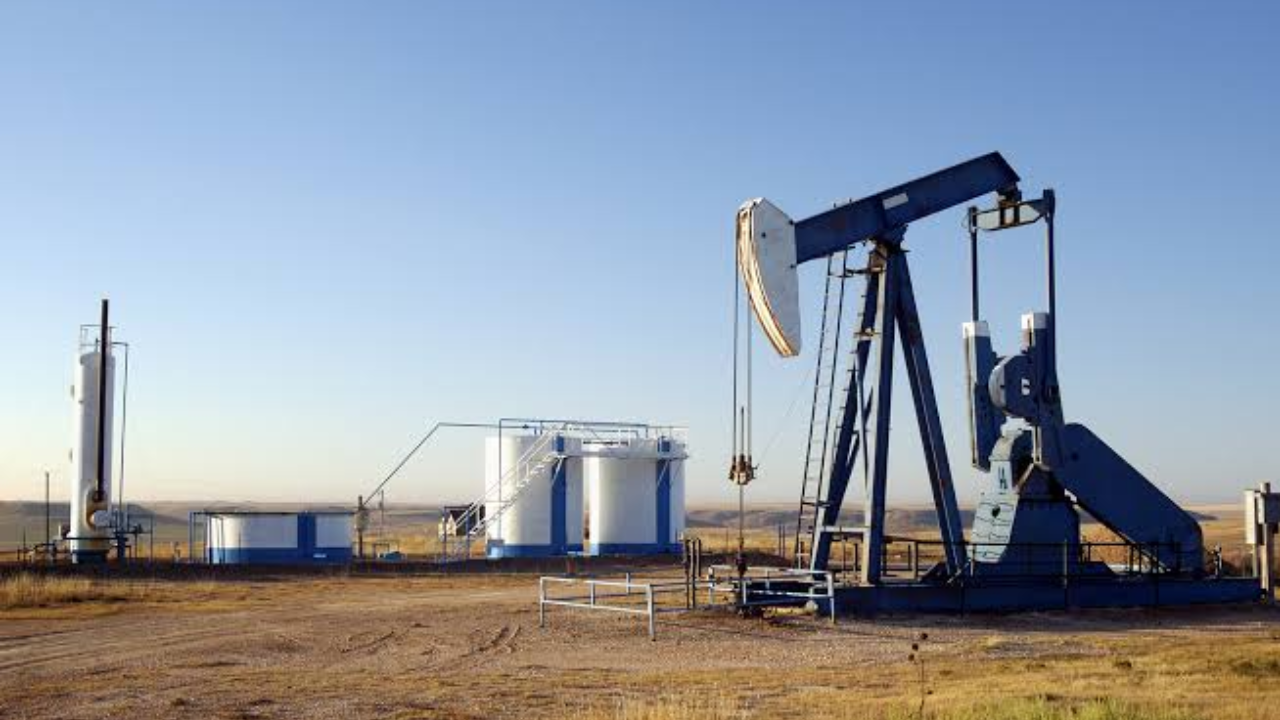
The core of the fight centers on a 1,604-acre tract in Victoria County, part of the historic McFaddin Ranch. On this land sits the Remora Oil Unit No. 1, a well originally operated between 1996 and 2015. When Allegiant Resources stepped in as operator in 2021, the well had long been shut in. Environmental obligations dictated that the structure needed to be permanently plugged and surface equipment removed. The logistical hurdle was geography. The well sits a mere 15 to 20 yards from the San Antonio River, and reaching it requires crossing property managed by the Dierlam Trust and McFaddin Ranch LP.
For years, access was governed by a commercial understanding. Historical records presented during the litigation showed that previous operators paid more than $120,000 for access rights between 1996 and mid-2015. Once those payments stopped and the well sat dormant, the relationship soured. Following a site visit in August 2022, the landowners drew a hard line and refused further entry across their acreage.
That refusal triggered a legal confrontation that went straight to the interpretation of Section 89.044 of the Texas Natural Resources Code.
Statutory interpretation in oil and gas law is rarely an academic exercise. Section 89.044 explicitly authorizes the Railroad Commission, its agents, or designated operators to enter the land of another to plug or replug an improperly maintained well. The landowners argued that this statutory permission slip should not override traditional trespass protections or grant carte blanche to cross private tracts for wells located on adjacent property. They sought a temporary injunction to lock the gates permanently.
The appellate court disagreed, affirming the trial court's decision. The judicial logic relied heavily on the absolute phrasing of the statute and the overarching public interest in preventing environmental pollution. The state's police power, lawmakers decided long ago, demands that orphaned or inactive wells be sealed to protect groundwater and surface environments from contamination. To rule that an operator cannot cross a neighboring property to reach a well requiring mandatory plugging would create a regulatory dead end.
Yet, the ruling is far from a blank check for energy companies. The statute itself contains explicit guardrails designed to protect surface estate owners. Section 89.044 mandates that anyone entering land under its provisions cannot take actions that block the surface owner from using their own property. Furthermore, separate provisions require site restoration once plugging operations conclude, unless the surface owner declines.
This nuance reveals the broader economic pressure cooker facing independent operators in Texas. During the proceedings, representatives for Allegiant pointed to the severe financial exposure tied to inaction. Estimates placed potential losses and regulatory penalties around $50 million if the site work remained stalled. In an era where state regulators are under intense pressure to clear out the backlog of inactive wells across the Eagle Ford and Permian basins, operators face existential financial risks if they cannot secure physical access to aging infrastructure.
At the same time, landowners are left navigating a difficult power dynamic. The traditional bundle of property rights historically included the sovereign right to exclude unwanted visitors. When the state steps in to prioritize the plugging of a well sitting yards from a major waterway like the San Antonio River, that right to exclude is subordinated to public safety and environmental remediation mandates.
The friction between surface owners and mineral developers is entering a new, more contentious phase. As thousands of wells drilled during past booms reach the end of their operational lifespans, the legal mechanisms governing access for plugging will face continuous stress-testing in trial courts. Landowners are realizing that old access agreements and informal arrangements offer little protection when a regulatory mandate forces an operator onto their dirt.
The Thirteenth Court of Appeals has made its stance clear. When environmental compliance and plugging obligations clash with a landowner's gate, the statute prevails. For the Texas energy sector, it is a necessary legal pathway to avert environmental liability. For rural property owners, it is a stark reminder that in the shadow of the oil patch, sovereignty over the land is always subject to state oversight.