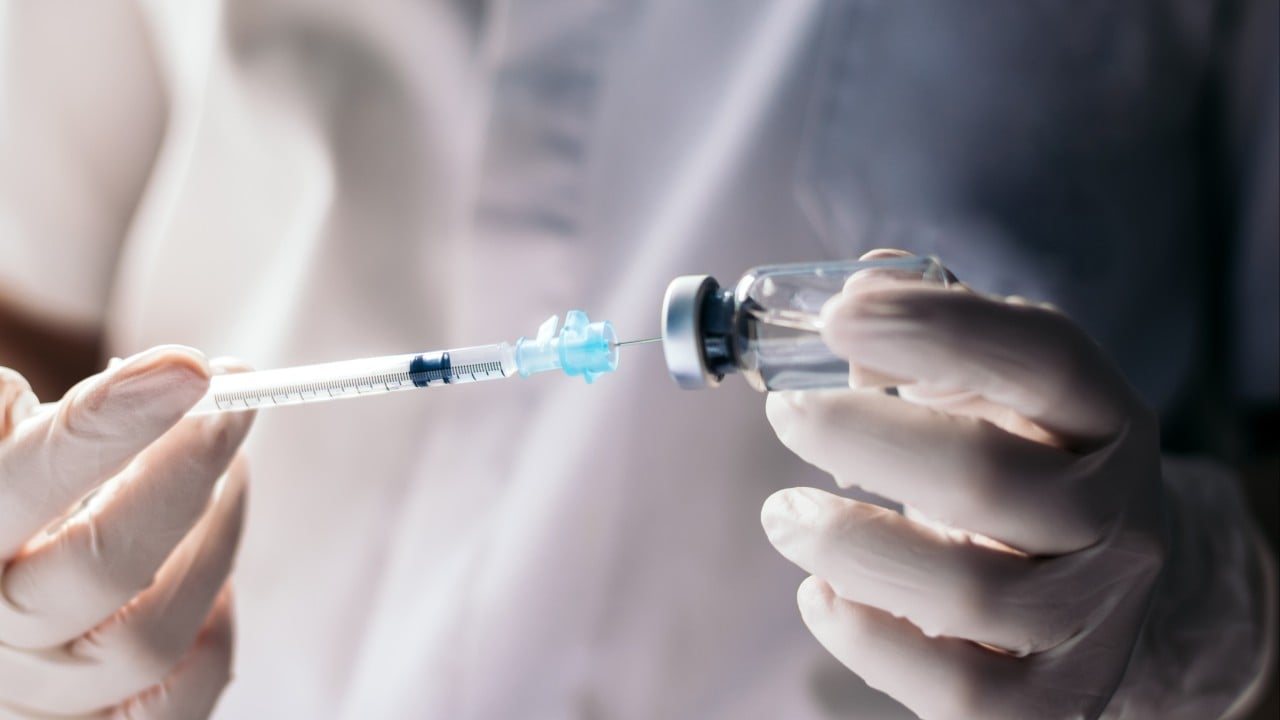
The liquid inside the clear glass vial looks entirely innocent, like saline water waiting to soothe a fever or clean a scrape.
In an operating room in Jakarta, a veterinarian draws two milliliters of that clear liquid into a syringe to put a stray dog to sleep before surgery, ensuring the animal feels no pain as the scalpel makes its first incision. Three miles away, in the dim, humid corner of a back-alley nightclub in West Jakarta, a twenty-two-year-old university student bends over a cracked smartphone screen, crushing dried crystals of the exact same chemical into a fine white powder with the edge of a debit card. If you enjoyed this post, you should check out: this related article.
Same molecule. Two entirely different worlds colliding in slow motion.
For years, Indonesian law enforcement and health officials treated ketamine as a quiet background player in the country’s long, exhausting war on illicit substances. Methamphetamine—locally known as sabu—and synthetic cannabinoids dominated the headlines, the prison cells, and the national anxiety. Ketamine was the odd cousin. It sat on the shelves of veterinary clinics and rural hospitals, categorized merely as a "hard drug" under the Health Law rather than a strictly scheduled narcotic. It was an anesthetic, a medical workhorse included on the World Health Organization’s List of Essential Medicines because it keeps patients breathing during emergency surgeries where expensive monitoring equipment simply does not exist. For another look on this story, check out the recent coverage from Healthline.
Then, the numbers stopped whispering and started screaming.
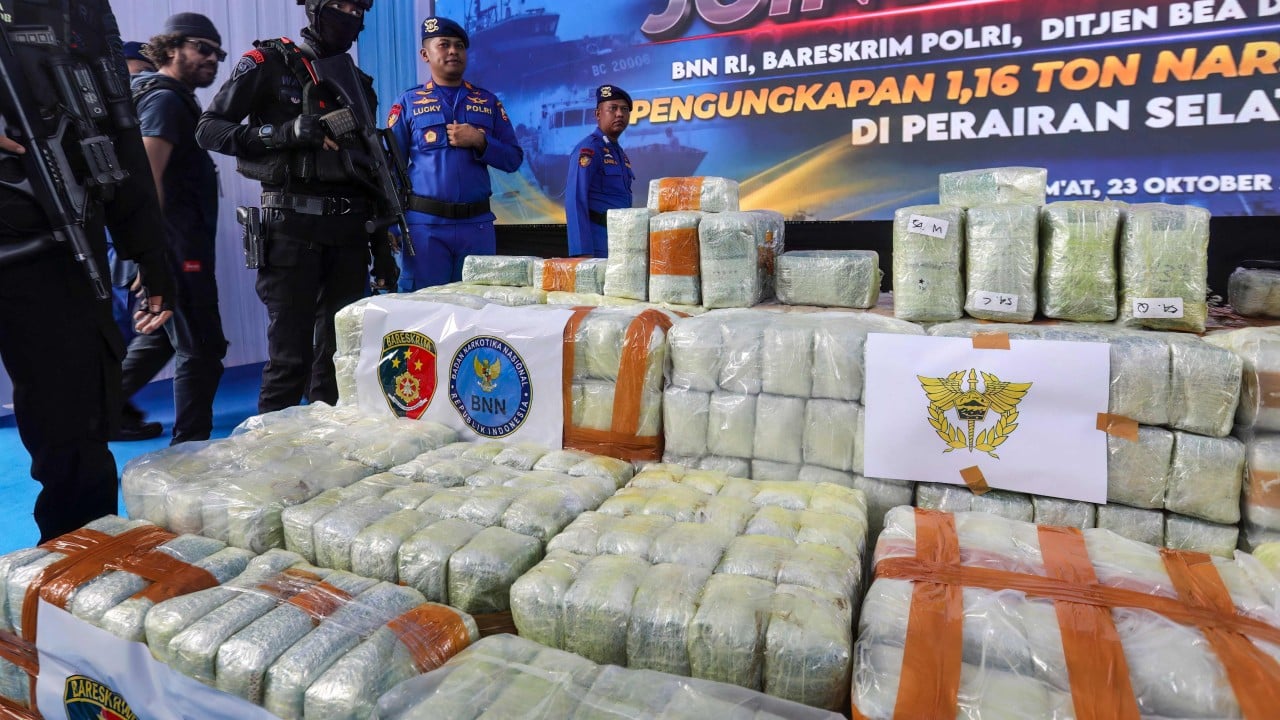
Over the past several years, customs officers at Soekarno-Hatta International Airport, port authorities in Batam, and narcotics investigators across Bali and Java began intercepting shipments that made no sense for the local medical market. Kilograms of white powder hidden inside tea packages, false-bottomed suitcases, and industrial chemical drums started showing up with alarming regularity. Seizures jumped from sporadic grams to massive, multi-kilogram busts linked to transnational trafficking syndicates operating across Southeast Asia. At the same time, emergency room doctors and rehabilitation counselors began seeing a new kind of patient—young, disoriented, sometimes unable to walk without wincing from severe bladder pain, trapped in the dissociative fog of what street dealers casually sell as "Special K" or simply "K."
Now, the Indonesian government stands at a painful crossroads, weighing whether to reclassify ketamine under the strict, unforgiving umbrella of the Narcotics Law. To understand why this regulatory debate keeps health officials and police generals awake at night, you have to step away from the policy briefs and look at the human anatomy of a crisis where saving one group of people risks hurting another.
The Anatomy of a Dissociative Trap
To grasp why ketamine is sweeping through urban nightlife from Surabaya to Seminyak, you have to understand what it actually does to a human brain. Unlike alcohol, which slurs the edges of reality, or stimulants that flood the nervous system with frantic energy, ketamine acts like a circuit breaker. In medical terms, it is an NMDA receptor antagonist. Put more simply, it temporarily unplugs the conscious mind from the physical body.
Consider a hypothetical scenario—let us call him Reza, a twenty-four-year-old graphic designer in South Jakarta working sixty-hour weeks to pay off family debts. Reza does not want to touch methamphetamine; he has seen what sabu does to the neighbors, the hollowed-out cheeks, the paranoia, the arrests. When a friend offers him a small bump of ketamine at an after-hours party, it is pitched as something harmless. "It’s just a horse tranquilizer," the friend laughs, repeating a myth that has circulated in clubs for decades. "You float for forty minutes, you feel zero stress, and then you go to sleep."
For the first few weekends, that promise holds. The heavy weight in Reza’s chest lifts. The noise of the city vanishes. He feels like he is watching his own life from the ceiling, detached and safe.
But the human brain is stubborn, and it adapts quickly. Tolerance to ketamine builds at a terrifying speed. What took a tiny key-bump in October requires a thick line by January. Soon, the weekend habit bleeds into Tuesday nights after a brutal client call. And because ketamine numbs physical pain so effectively, Reza misses the warning signs his body is desperately trying to send him.
When I first started interviewing addiction specialists and former users across Southeast Asia about this specific chemical, the symptom that haunted me most was not the psychological withdrawal—it was the physical wreckage of the urinary tract. Ketamine metabolites are toxic to the lining of the bladder. Long-term, heavy users develop what doctors call ketamine-induced ulcerative cystitis. The bladder walls thicken, scar, and shrink until they can barely hold a tablespoon of liquid. Patients end up needing to urinate every fifteen minutes, passing blood and shredded tissue, doubling over in agony that only one thing seems to numb: more ketamine.
By the time someone like Reza realizes he is trapped, he is caught in a cruel feedback loop. He takes the drug to escape the pain the drug itself is causing.
Why the Loophole Became a Highway
If the damage is so severe, why wasn't ketamine already locked down like heroin or ecstasy?
History explains the oversight. When Indonesia drafted its foundational narcotics legislation—most notably Law No. 35 of 2009—ketamine was overwhelmingly a tool for doctors and veterinarians. Putting a substance into Narcotics Group I in Indonesia carries immense legal weight: zero tolerance, massive prison sentences, capital punishment for major traffickers, and extraordinarily tight bureaucratic controls over every milligram imported or prescribed.
Because ketamine was classified under the broader, looser category of obat keras (hard pharmaceutical drugs) overseen by the Food and Drug Monitoring Agency (BPOM) rather than the National Narcotics Board (BNN), a dangerous gray zone opened up.
Think of the difference between a bank vault and a locked pharmacy cabinet. Both are technically secure, and breaking into either is illegal. Yet if you are an organized crime syndicate looking to move high-profit, synthetic substances across borders, you will always target the pharmacy cabinet. Under existing pharmaceutical regulations, prosecuting smugglers or unauthorized distributors carried lighter penalties than narcotics trafficking charges. Furthermore, because ketamine is legally manufactured in bulk in neighboring countries for legitimate medical and veterinary use, criminal networks realized they could divert raw powder from chemical factories, smuggle it through porous maritime borders into Sumatra or Kalimantan, and press it into ecstasy-style pills or sell it raw.
BNN officials and police investigators have watched this regulatory arbitrage play out in real time. Seizure statistics over recent years reveal a sharp upward trajectory in both the frequency and volume of confiscated ketamine. In several high-profile raids, investigators discovered clandestine labs mixing ketamine with methamphetamine and caffeine to create potent, unpredictable party drugs sold in brightly colored sachets disguised as energy drinks or fruit juice powders.
When law enforcement catches a courier carrying five kilograms of crystal meth, the legal machinery moves with terrifying certainty. When they catch a courier carrying five kilograms of ketamine, prosecutors have historically had to navigate a labyrinth of health laws and pharmaceutical regulations, sometimes resulting in sentences that syndicates simply factor in as a minor cost of doing business.
The Invisible Collateral Damage
On paper, the solution looks obvious. Reclassify ketamine as a Group I or Group II narcotic. Give the police and the BNN the sharp legal teeth they need to crush the supply chain, shut down the illegal diversion, and scare off the traffickers.
Except public health is never a neat equation, and every tightening of the screws sends shockwaves through places nobody in a courtroom is thinking about.
Step out of the Jakarta nightclubs and travel east to a rural clinic in Nusa Tenggara Timur, or a small animal shelter in Yogyakarta. Here, ketamine is not a party drug. It is a lifeline.
In high-income nations, hospital operating rooms rely on complex vaporizers, piped medical oxygen, and expensive intravenous anesthetics like propofol that require trained anesthesiologists and mechanical ventilators to keep a patient alive. In hundreds of remote clinics across the Indonesian archipelago, that infrastructure simply does not exist. Power grids flicker. Oxygen tanks are scarce. Doctors are stretched thin.
Ketamine is prized in global medicine precisely because it does not suppress a patient’s breathing or heart rate the way other anesthetics do. A surgeon in a resource-limited hospital can administer ketamine to a woman needing an emergency cesarean section or a fisherman with a mangled leg, knowing the patient will stay unconscious and pain-free while continuing to breathe on their own. For veterinarians, there is almost no practical, affordable substitute. Without ketamine, routine spay-and-neuter programs that control rabies outbreaks across Indonesian islands would grind to a halt, and emergency surgeries on livestock and companion animals would become agonizingly difficult.
Imagine what happens the morning after a strict narcotics reclassification takes effect.
History across Asia shows us this exact pattern. Whenever a vital medicine is moved onto a strict narcotics schedule without careful safeguards, bureaucracy becomes a wall. Hospitals suddenly require double-locked steel safes, exhaustive triplicate paperwork for every drop used, and special licenses that small clinics cannot afford to obtain. Terrified of accidental paperwork errors that could land them in prison under harsh drug laws, doctors and pharmacists simply stop ordering the medication. The supply dries up overnight—not for the cartels smuggling powder through hidden ports, who never filled out a government form in their lives, but for the rural doctor trying to set a child’s broken bone.
This is the quiet dilemma sitting on the desks of Indonesia’s Ministry of Health, BPOM, and the BNN. Push too gently, and the flood of illicit ketamine continues to hollow out a generation of young adults who mistakenly believe they are taking a harmless anesthetic. Push too hard, and you risk stripping away an essential surgical tool from the doctors who need it most.
Searching for the Middle Ground
I have seen how polarized drug policy debates become when fear takes the wheel. On one side, law enforcement sees bodies, wrecked families, and brazen smugglers mocking a legal loophole; their instinct is to bring down the hammer. On the other side, medical advocates and veterinarians see the looming shadow of a shortage that will leave real patients—human and animal—suffering in silence.
Both sides are right. That is what makes this moment so genuinely frightening and so urgent.
Untangling this knot requires precision rather than a blunt instrument. International bodies like the World Health Organization have repeatedly reviewed ketamine over the past decade, ultimately advising against placing it under strict international narcotic scheduling precisely because doing so triggers catastrophic medical shortages in developing nations. Instead, public health experts point toward targeted regulatory tightening: placing ketamine into a middle-tier psychotropic or controlled medical category that dramatically increases penalties for unauthorized manufacturing, smuggling, and non-medical possession, while preserving a streamlined, protected supply chain for licensed hospitals and veterinary practices.
It also demands something far harder to legislate than a criminal penalty: honesty on the ground.
Right now, too many young people in Indonesia’s cities view ketamine through a fog of lethal misinformation. Because it comes from a medical world, they assume it carries a medical guarantee of safety. They do not know that mixing it with alcohol—a standard habit on any Friday night—drastically increases the risk of respiratory failure and fatal accidents. They do not know that drowning in a shallow bathtub or collapsing in traffic while trapped in a dissociative "K-hole" happens silently, without a dramatic overdose scene to alert their friends. And they certainly do not know what a scarred, ruined bladder feels like at twenty-five.
Back in that brightly lit veterinary clinic in Jakarta, the doctor finishes suturing the incision on the stray dog, logs the exact milliliters of anesthetic used into a worn ledger, and locks the remaining vial inside a metal cabinet. Two miles away, as the sun sets and traffic thickens along Jalan Sudirman, phones begin buzzing with weekend plans, and small plastic packets change hands beneath tables.
Somewhere between the surgical table and the nightclub floor, Indonesia has to draw a line sharp enough to stop a syndicate, yet careful enough not to cut the hands trying to heal.