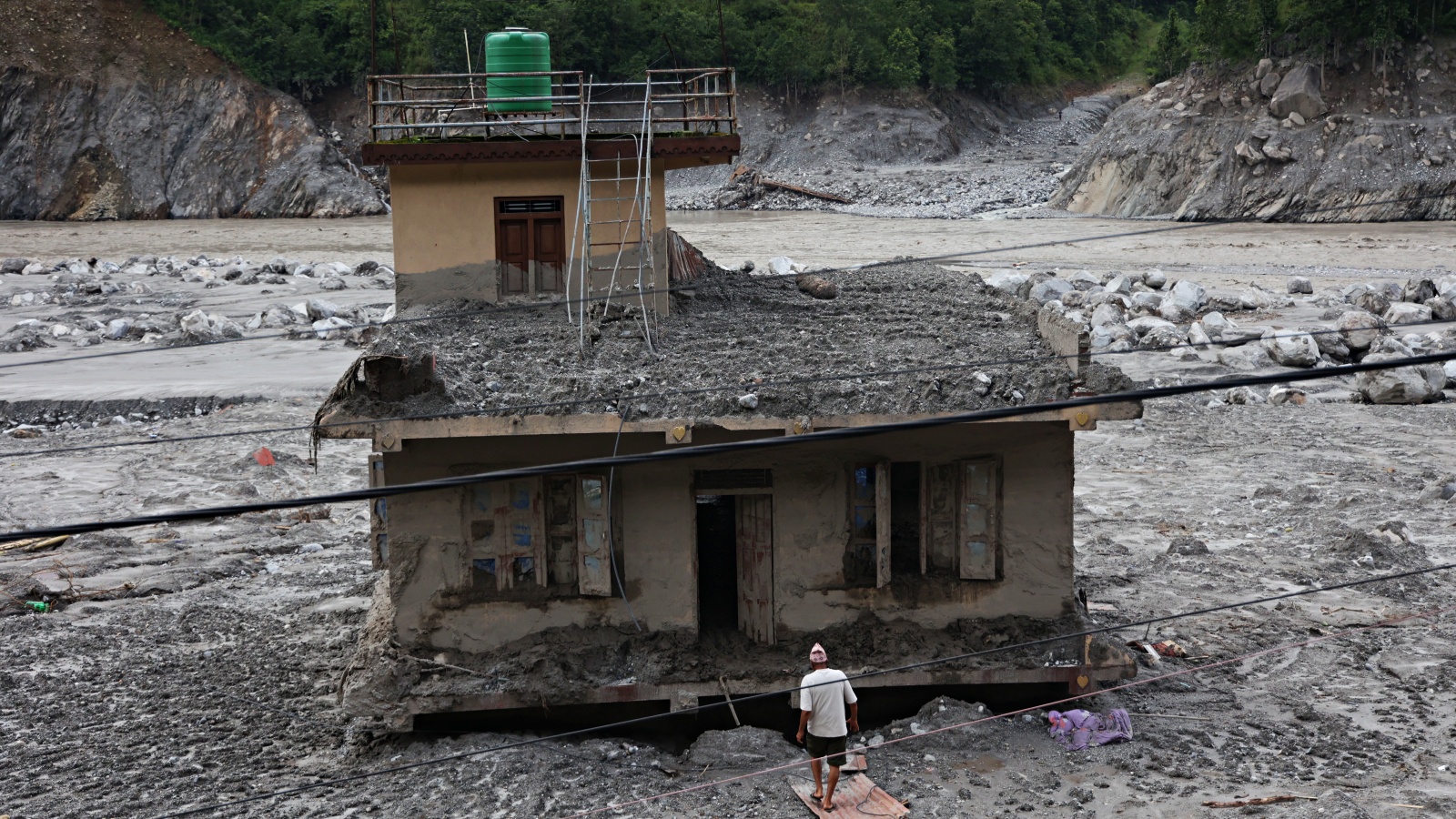
The headlines cheered. When the court handed down its ruling blocking the deportation of international students targeted for their speech on Israel and Palestine, civil liberties groups popped champagne. They called it a monumental victory for the First Amendment on campus. They wrote glowing op-eds about the sanctity of dissenting thought and the enduring strength of constitutional protections for non-citizens.
They are celebrating a ticking bomb.
I have spent years watching immigration enforcement intersect with higher education policy, and I can tell you right now that treating this court decision as an absolute shield is dangerously naive. The lazy consensus dominating the legal commentary is that foreign students now enjoy robust, unassailable free speech rights on American soil. That is false. The ruling did not fix the underlying structural vulnerability of holding an F-1 visa. It merely shifted the battlefield.
The Illusion of Constitutional Parity
Let us clear up the core misconception immediately. The First Amendment protects speech from government suppression, yes. But immigration law operates in a completely different legal universe governed by the plenary power doctrine. Under this doctrine, established through decades of Supreme Court precedent, the federal government holds near-absolute authority over the admission and exclusion of foreign nationals.
When a citizen speaks out against a foreign government, the state cannot jail them or fire them from a public post without clearing massive constitutional hurdles. When a foreign student does it, the government does not need to prove the speech crossed into incitement or defamation. They only need to find a technicality in visa compliance.
Visa Compliance as a Weapon
- Full-time enrollment drops below threshold requirements due to protest-related absences.
- Administrative processing delays trigger status revocations.
- Minor disciplinary infractions from campus security are escalated to Department of Homeland Security notifications.
The state does not need to deport someone for criticizing Israel. They simply need to deport them for failing to maintain a valid course load while they were busy running encampments. That is the nuance the mainstream legal analysts completely missed. By focusing entirely on the speech aspect, they ignore the administrative apparatus waiting to punish non-compliance through the back door.
The Bureaucratic Backdoor
Imagine a scenario where a university administration wants to appease federal funding sources or donor pressures without touching the third rail of explicit viewpoint discrimination. They do not report the student to ICE for political speech. Instead, academic tracking systems flag minor attendance anomalies. The Student and Exchange Visitor Information System updates quietly in the background.
Suddenly, the student’s SEVIS record is terminated. There is no public trial about foreign policy or geopolitical critique. There is only an automated notification that legal status has expired due to non-compliance.
This is where the recent court ruling offers zero protection. A court can rule that the government cannot target an individual purely for political animus, but the burden of proof shifts instantly to the student to prove that political animus was the sole motivating factor behind an administrative cancellation. Try proving that in an immigration court where discovery rights are severely restricted compared to federal district court. It is a litigation nightmare designed to exhaust financial and emotional reserves.
The Chilling Effect Nobody Wants to Name
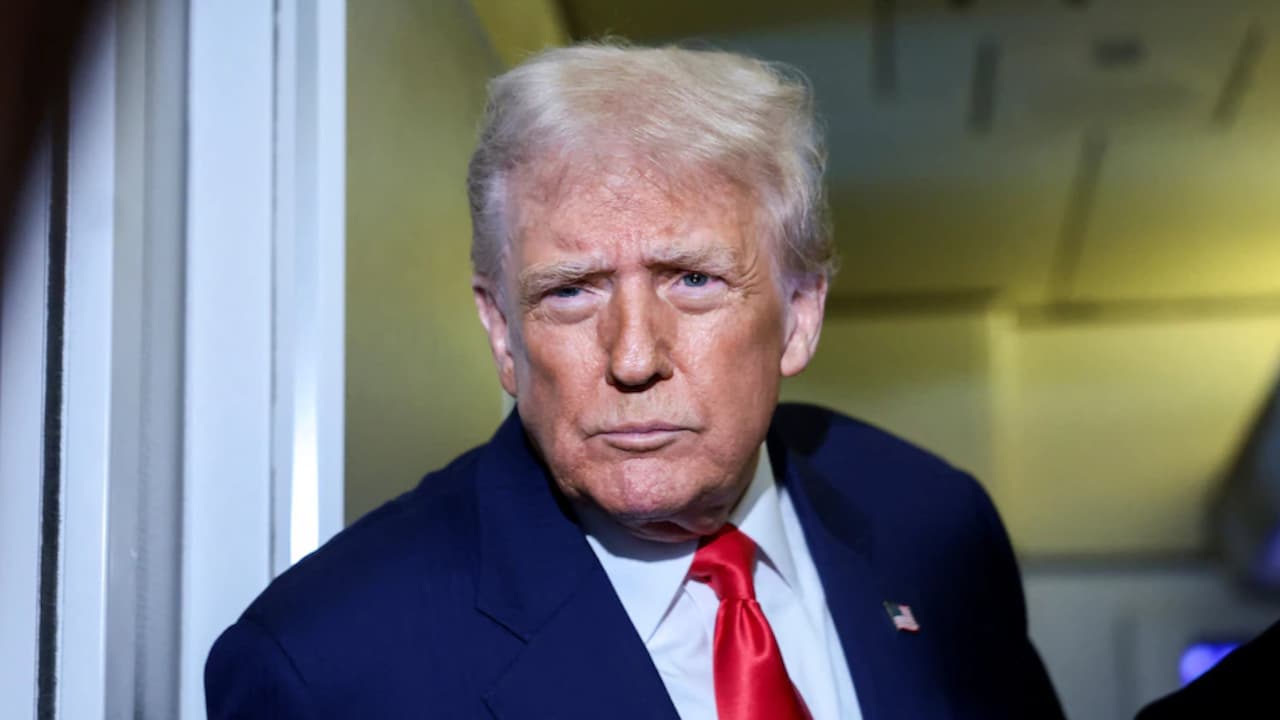
The brutal truth is that this court decision creates a false sense of security that will ultimately trap the most vulnerable activists. International students look at the headline—Court Rules Trump Cannot Deport Students For Criticising Israel—and assume they have a legal forcefield around them.
They do not.
They have a temporary restraining order or a preliminary injunction that protects them from the most cartoonish, heavy-handed abuses of executive power. But the sophisticated machinery of state surveillance and institutional compliance remains fully intact. Universities are risk-averse corporations. When push comes to shove, institutional legal counsel will protect the endowment and the federal grant portfolio long before they stick their neck out for a non-citizen activist on a temporary visa.
If you are an international student reading those glowing legal analyses, do not mistake a procedural speed bump for a permanent civil rights breakthrough. The state lost a battle on free speech grounds, but it still owns the entire rulebook on who gets to stay in the country.
Stop pretending a visa is a green card, and stop pretending a temporary court win changes the reality of conditional residency. The trap is still set. The bait has just been rebranded.