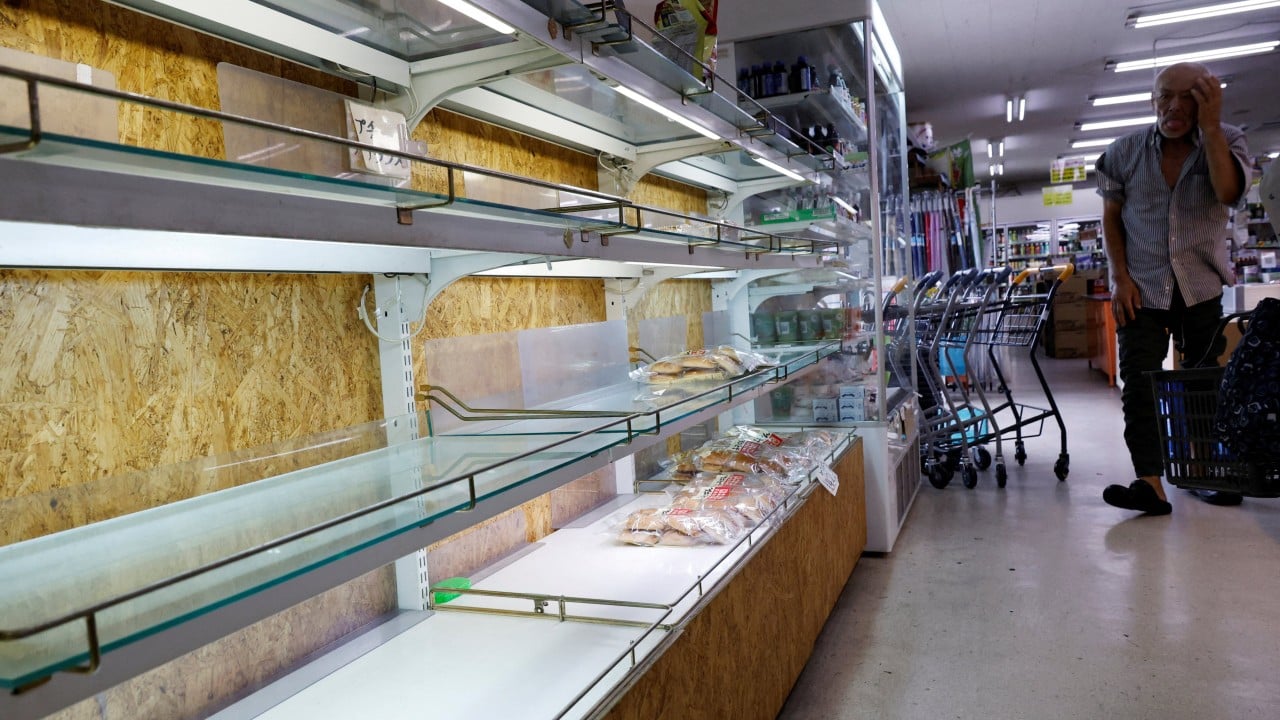
The smell of bleach never quite covers the smell of rotting meat.
If you have ever spent time inside an immigration detention facility, that is the first thing that hits you. It is a sharp, chemical sting that catches in the back of your throat, followed immediately by the dull, sickening odor of a kitchen that has given up.
Most people look at immigration enforcement through the lens of politics, policy, or border statistics. They argue about visas, deportations, and court dates. But when you are locked inside, the world shrinks to the size of a plastic tray. The grand debates fade away. Your reality becomes a daily gamble with a plate of food.
Government inspection reports and whistleblower testimonies from recent years paint a sterile picture of what happens inside these facilities. They use words like "non-compliance," "substandard sanitation," and "food safety infractions."
Let us translate those bureaucratisms into reality.
Imagine sitting at a metal table, your stomach growling after a long day of waiting. A guard slides a tray through a slot. On it sits a piece of chicken. You cut into it, and it is entirely green inside. Or you reach for a slice of bread, only to find it covered in a thick layer of blue mold. Sometimes, you notice movement. Small, dark bugs crawling through the rice.
This is not a hypothetical horror story. It is the documented daily experience for thousands of people held in Immigration and Customs Enforcement (ICE) facilities across the United States.
The system relies on a network of private contractors and county jails to house detainees. In theory, these facilities are bound by strict federal standards. In practice, the oversight mechanism is broken. When a kitchen fails an inspection, there is rarely a shutdown or a heavy fine. Instead, there is a report. A piece of paper filed away in a digital cabinet while the same contractor prepares the next morning's breakfast.
Consider the simple act of washing your hands.
During any public health crisis, we are bombarded with reminders about basic hygiene. Scrub for twenty seconds. Use warm water. Use soap. It seems rudimentary. Yet, inside many detention centers, soap is a luxury commodity. It is either rationed strictly, requiring detainees to buy it from a commissary at inflated prices, or it is entirely absent from the communal bathrooms.
When facility staff and food handlers work under these conditions, the kitchen ceases to be a place of nourishment. It becomes a vector for disease.
The consequences are entirely predictable. Outbreaks of foodborne illnesses ripple through these facilities with terrifying speed. Norovirus, salmonella, and severe gastric infections turn crowded dormitories into medical emergencies. Because detainees live in close quarters, often sleeping in bunk beds spaced only feet apart, an infection that starts with one contaminated meal quickly consumes an entire unit.
But the physical sickness is only half the battle. The psychological toll of unsafe food is a quiet, wearing form of torture.
Eating is one of the few autonomous acts a person has left when their freedom is stripped away. It is supposed to provide comfort, a brief reminder of normalcy. When the food itself becomes a threat, that comfort vanishes. You are forced to make a choice every single day: do you starve, or do you risk getting sick?
Many choose a slow form of starvation, eating only enough to survive, their bodies growing weaker as the weeks turn into months. They live in a state of constant vigilance, inspecting every forkful of food under the harsh fluorescent lights, looking for the telltale signs of spoilage.
The defense from the corporations managing these facilities is always the same. They point to their corporate responsibility statements. They cite their compliance certificates. They blame supply chain issues or isolated staff errors. They treat a systemic failure as a series of unfortunate, disconnected events.
But a pattern is not an accident.
When multiple facilities across different states exhibit the exact same failures—spoiled food, lack of hygiene supplies, insect infestations—the problem is not an isolated kitchen manager. The problem is a business model that prioritizes profit margins over human dignity. Private detention is a multi-billion-dollar industry. Every cent saved on a meal or a bar of soap is a cent that returns to shareholders.
We have built a system that treats human beings as inventory. And like any inventory stored in a warehouse, the goal is often to maintain it at the lowest possible cost.
The real danger is how easily we look away. Because these facilities are often located in remote areas, far from major cities and hidden behind miles of razor wire, they remain invisible to the public. The people inside do not have a voice that can easily reach the outside world. They cannot write reviews or call the health department. They are entirely dependent on the system that detains them.
The state of a society can be judged by how it treats those who are completely at its mercy. When we allow people under our care to be fed garbage and denied the basic tools of cleanliness, we lose something fundamental. It is a betrayal of our own stated values.
The wire fences and concrete walls are designed to keep people in, but they also keep our conscience out. Until we demand that the standards we set on paper are enforced on the plate, the quiet crisis in the kitchens will continue.
Next time you sit down to a meal, look at your plate. Think of the crispness of the vegetables, the safety of the meat, the simple availability of running water and soap. Then think of a metal tray sliding through a slot in the dark.