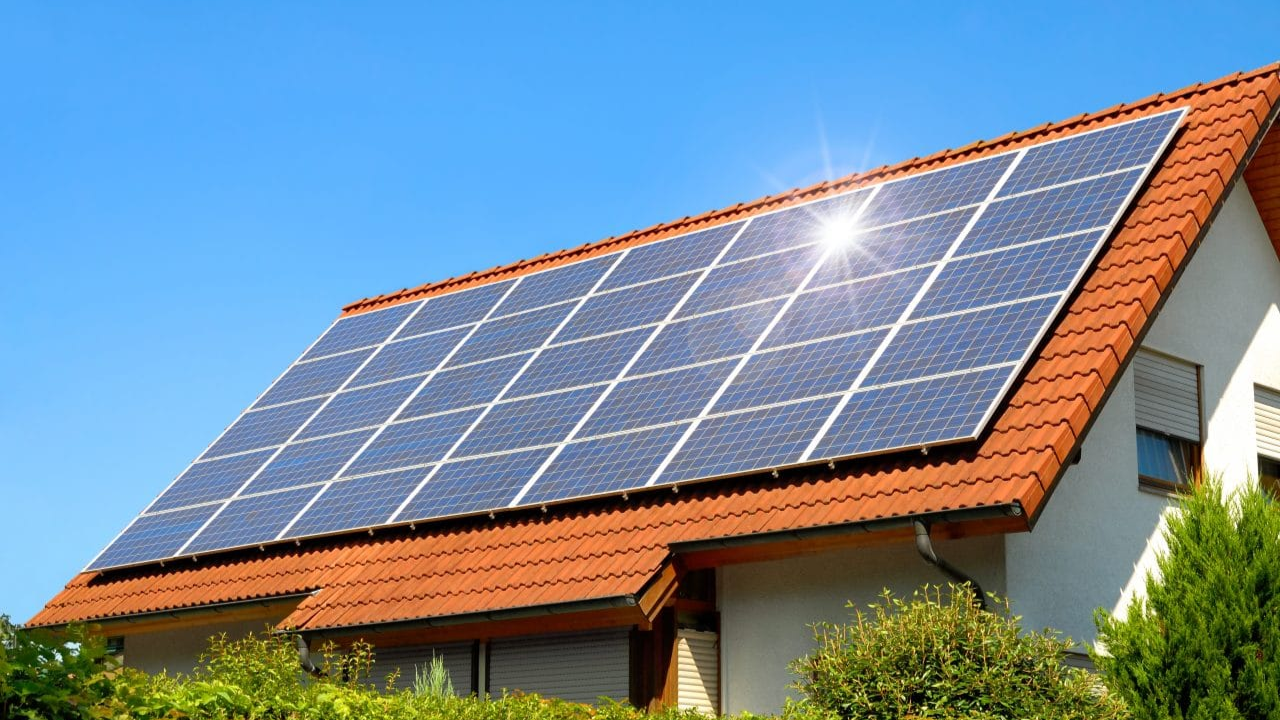
Every gadget blog and green-energy enthusiast is currently celebrating the UK regulatory green light allowing households to plug solar panels straight into a standard wall socket. The narrative sounds utopian. Grab a panel, lean it against the garden fence, plug it into a kitchen outlet, and watch your electricity meter spin backward while you save the planet from your breakfast nook.
It is a comforting fantasy. It is also an electrical hazard wrapped in marketing slickness.
I have spent the last fifteen years watching energy tech trends burn through consumer cash, and this balcony-solar craze ranks among the most brilliantly marketed illusions of the decade. The lazy consensus claims that democratizing generation through plug-and-play hardware empowers the masses.
They are missing the brutal physics of domestic electrical distribution.
When you push unauthorized current backward through a radial circuit designed strictly for consumption, you are playing a high-stakes game with thermal limits, localized grid instability, and your homeowner insurance policy. Let us strip away the eco-romance and look at what actually happens when you shove random wattage into domestic copper wiring that nobody inspected for back-feed capacity.
The Myth of the Harmless Watt
The core pitch of the plug-in solar movement relies on a comforting technical sleight of hand. Manufacturers argue that because these micro-inverters limit output to 800 watts or less, standard sockets can handle the load without breaking a sweat.
That argument ignores how domestic wiring operates under real-world stress.
Residential ring and radial circuits are engineered based on specific load assumptions. Current flows from the consumer unit outward to appliances. The wires degrade over decades, terminations oxidize, and thermal insulation ages. When you introduce a persistent reverse current source onto a circuit that already has heavy appliances drawing power, you alter the current path.
Imagine a scenario where your kitchen ring circuit is drawing two thousand watts for a kettle and toaster, while a plug-in solar array pushes eight hundred watts backward down that exact same copper run.
On paper, the net current drops. In practice, you have bypassed the safety margins engineered into circuit protection devices. Standard miniature circuit breakers in your consumer unit are designed to protect against overcurrent flowing from the supply grid inward. They are notoriously blind to localized micro-generation sources feeding the middle of a circuit run.
If a connection is loose or a terminal has high resistance, adding a localized current source creates an invisible thermal hotspot. That hotspot does not trip a breaker. It smolders behind your drywall until someone smells burning plastic.
The Regulatory Vacuum and the Insurance Trap
Proponents love to point out that regulations now permit these devices. What they neglect to mention is the liability chasm waiting for you the moment something goes wrong.
Insurance companies do not care about regulatory loopholes or enthusiastic forum posts from renewable energy bloggers. When a domestic fire investigator sifts through the charred remains of a kitchen, they look at one thing: unauthorized modifications to fixed electrical installations.
BS 7671, the wiring regulations governing electrical installations in the UK, is explicit about the competence required to alter circuits. Plugging a generation device into an internal socket bypasses the mandatory notification, testing, and certification process required for solar installations.
If your house catches fire because a cheap imported micro-inverter suffered component failure or caused arc-fault damage on an unrated circuit, your insurer will look closely at your policy terms regarding unauthorized electrical modifications.
You saved forty pounds on your quarterly electricity bill. Your insurer just denied a four-hundred-thousand-pound property claim because you treated a power generation asset like a toaster. That is not democratization. That is a sucker's bet.
The Grid Stability Delusion
The macro argument for plug-in solar is even more fragile than the micro safety case. Grid operators spend billions balancing supply and demand across synchronized networks. They rely on predictable, monitored generation assets to maintain frequency stability at fifty hertz.
Flooding distribution networks with thousands of unmanaged, invisible, behind-the-meter micro-generators creates a ghost load that grid operators cannot see or control.
When clouds clear across a neighborhood simultaneously, thousands of plug-in panels spike generation instantly. On a localized low-voltage transformer servicing an older residential street, this sudden reverse voltage surge can push local line voltages past statutory limits.
When line voltage rises too high, sensitive household electronics shut down to protect themselves, or worse, shorten their operational lifespans.
You are shifting the cost of grid balancing from centralized infrastructure onto the local neighborhood copper infrastructure, paid for by the degradation of your own household appliances.
What You Should Do Instead
If you want to lower your energy bills without turning your home into an unregulated power station, stop looking for shortcuts.
Proper solar installation requires a dedicated AC supply run straight from an isolator to your consumer unit, protected by dedicated residual current devices, installed by certified professionals who understand loop impedance and earth fault paths.
If you are renting or cannot afford a proper installation, do not gamble your safety on plug-and-play gimmicks designed to exploit regulatory grey areas. Invest in energy efficiency, smart thermostat scheduling, or community energy schemes where generation happens at scale with actual engineering oversight.
There are no shortcuts in electrical distribution. Respect the copper, or pay the price.