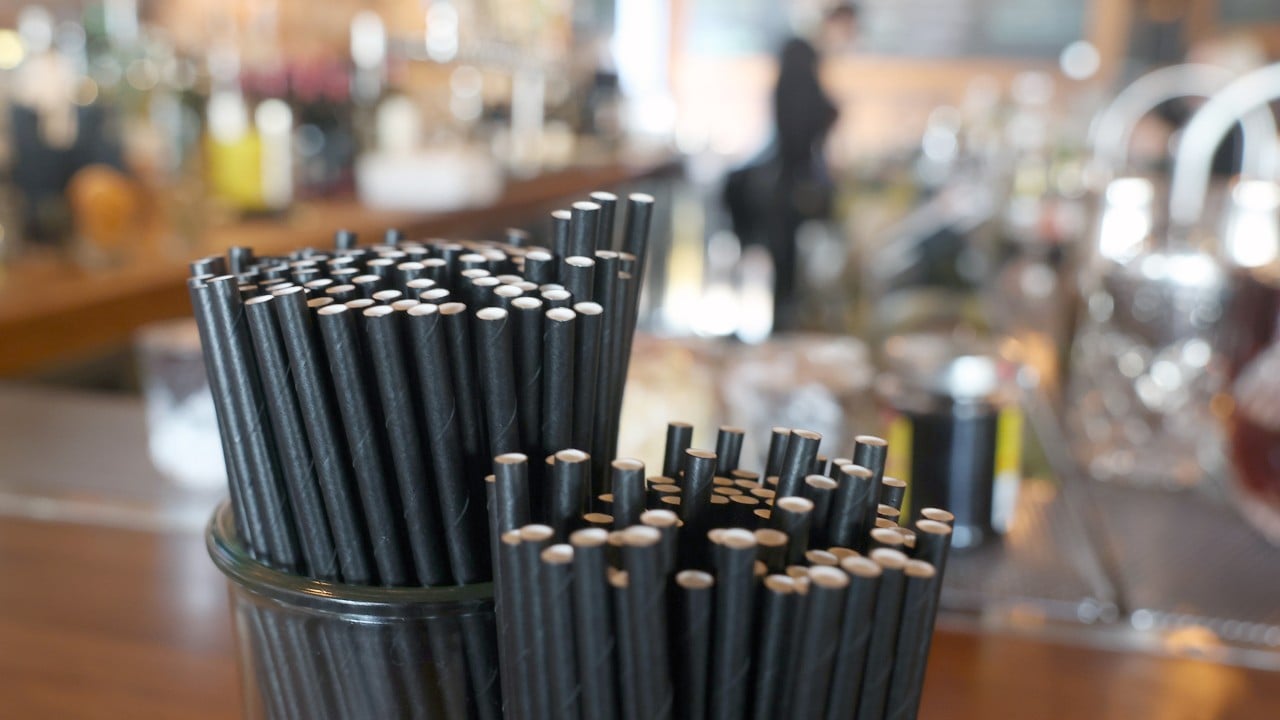
Paper straws vs plastic isn't a neat hero-versus-villain story, and honestly, the headlines have made it louder than it is clear.
When a government-commissioned life-cycle study in South Korea made waves in October 2026, a lot of people read one line and jumped to a sweeping verdict: plastic is green now, and paper is a fraud. Not quite. What the study actually showed is more complicated—and much more useful if you care about real environmental trade-offs rather than comforting slogans.
Over a year-long analysis running from May 2025 to April 2026, South Korean researchers compared four straw types across 16 environmental impact categories, from raw material extraction and manufacturing to disposal. Conventional plastic straws ranked lowest in impact across 10 of those 16 categories, while paper straws showed a human carcinogenic pollution score 6.33 times higher than conventional plastic and an acidification impact 2.04 times higher. Bio-based polyethylene (bio-PE) straws fared even worse on those metrics, topping 10 categories with the highest impacts.
If you've ever watched a paper straw go limp halfway through an iced coffee, part of this feels weirdly validating. Still, treating a single life-cycle assessment as the final word on all straw pollution misses critical context—starting with what those numbers measure, how South Korea disposes of trash, and what happens to wildlife and oceans when plastic escapes into the wild.
Why the South Korea Study Scored Paper Higher on Pollution
A life-cycle assessment (LCA) adds up environmental burdens from cradle to grave. When researchers do that for paper straws, several hidden costs pile up before your drink even reaches the table.
Pulping wood, bleaching or treating fibers, bonding layers with adhesives, and applying moisture-resistant coatings all require energy, water, and chemical inputs. Then comes end-of-life. In South Korea, the study modeled waste treatment based on national figures assuming roughly 73.6% of discarded straws are incinerated and 26.4% go to landfills. Burning materials and managing upstream industrial emissions generates air pollutants, acidification potential, and modeled toxic or carcinogenic emissions across the supply chain.
There's a catch people routinely overlook when reading that 6.33 times figure. Reports on the study noted that the carcinogenic score estimates potential harm from emissions across production and disposal—not a direct measurement of cancer risk from sipping a cold brew through a paper tube. Nor did it test chemical leaching into beverages or track long-term human health outcomes from straw use itself.
A higher life-cycle emission score in a specific waste system is a signal about manufacturing and disposal trade-offs, not proof that a paper straw poisons your iced latte on contact.
Separately, chemical testing in recent years has raised real questions about coatings and additives. A 2023 University of Antwerp study published in Food Additives & Contaminants detected per- and polyfluoroalkyl substances (PFAS)—often called "forever chemicals"—in 27 of the 39 straw brands tested, appearing most often in paper and plant-based straws. Later research on straws in the Korean market, published in Environmental Science and Pollution Research in 2025, also examined PFAS occurrence and suspect screening in disposable straws, calling for further work on migration and exposure risks. That doesn't mean every paper straw today contains PFAS, because manufacturers and industry groups have pushed back or tightened specifications, yet it shows why "made from paper" doesn't automatically mean "chemically clean."
Why Recycling Doesn't Save Paper Straws in Real Life
Ask someone why paper straws seemed like an easy win, and they'll usually say two things: paper is natural, and paper gets recycled. In practice, recycling facilities struggle with straws across the board.
As South Korean researchers pointed out, straws are tiny. Standard sorting equipment at material recovery facilities isn't built to catch narrow, lightweight cylinders—they slip through screens or get lost in other streams. Even when a paper straw makes it toward paper processing, water-resistant coatings, wet-strength additives, and adhesives can complicate pulping.
I've seen cafes proudly print "100% recyclable" on paper straw boxes while tossing used ones straight into general trash bins lined with plastic bags. Even when a bin is labeled for recycling or compost, local infrastructure often isn't equipped to process food-soiled or coated paper items cleanly. Calling a straw recyclable on paper doesn't make it recycled on the ground.
What the Study Leaves Out About Plastic Pollution
Here is where a purely pro-plastic takeaway goes too far. Conventional plastic straws scored better across 10 of 16 LCA categories in the South Korean study, largely because conventional polyethylene or polypropylene is light, cheap to produce at scale, and modeled inside a formal waste-management system where most waste goes to incineration or controlled landfill.
What an LCA model can't easily capture—and what turned straws into a global symbol in the first place—is mismanaged waste. Conventional plastics don't biodegrade quickly in cold water, soil, or marine environments. When lightweight plastic items blow out of bins, wash down storm drains, or slip past weak waste collection systems, they persist for decades and fragment into microplastics.
In places with tight waste control and high incineration rates, plastic's lifecycle emissions may look comparatively tidy on paper. In places where waste leaks into rivers and coastlines, plastic's persistence is a massive headache. That tension is why sensible analysts don't declare either disposable option a saint.
Bio-Plastics and Other Swaps Aren't a Free Pass Either
If paper disappoints and conventional plastic has baggage, what about plant-based or "biodegradable" straws? The South Korean study found no magic bullet there either.
Bio-PE straws made from plant sources like sugarcane are chemically identical to conventional polyethylene. They don't biodegrade just because they started as a crop, and in the South Korean assessment they posted the highest impacts across 10 categories, including 16.18 times the carcinogenic impact and 5.9 times the acidification impact of conventional plastic. Biodegradable plastic straws landed between conventional plastic and bio-PE on several metrics while ranking worst in two categories.
Bamboo and other natural materials bring their own trade-offs, from supply chain consistency to chemical treatments depending on how they're processed. Basically, swapping one single-use material for another single-use material often moves the environmental burden around rather than wiping it out.
The Real Takeaway for Cafes, Policy, and Everyday Sipping
The most practical conclusion from the South Korean research isn't "bring back default plastic straws everywhere." Researchers recommended that businesses stop handing out disposable straws automatically and provide them only when customers ask—a policy backed by 54.4% of the 1,001 citizens surveyed in the study, even though 87.5% preferred plastic straws when using one. Lawmaker Kim Wi-sang, who released the report, similarly argued for cutting disposable product use at the source rather than chasing material swaps.
That makes total sense. A straw you never pick up has zero manufacturing footprint, zero sorting headaches, and zero risk of ending up soggy in your drink or littered on a sidewalk.
If you're trying to make smarter choices right now without getting bogged down in greenwashing:
- Skip the straw by default. Drink straight from the cup whenever you don't need a straw for medical, accessibility, or spill-prevention reasons.
- Carry a reusable option if you actually use straws. Stainless steel, silicone, or glass straws—washed regularly—beat single-use disposables over repeated uses, provided you remember to bring them along.
- Ask before taking one at the counter. If you're ordering takeout or iced drinks, tell staff you don't need a straw unless you genuinely want one.
- Watch the packaging hype. Terms like "eco-friendly," "plant-based," or "recyclable" on disposable items rarely tell the whole story—especially if a "green" straw arrives sealed inside a plastic wrapper.