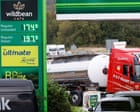
Filling up your car in Britain feels like a minor financial mugging right now. When UK inflation jumped to 3.6%, most headlines immediately pointed the finger at record-high petrol and diesel prices at the forecourt. They aren't wrong about the pain at the pump, yet blaming fuel alone misses the bigger, uglier picture of how price hikes actually bleed into your bank account.
Fuel isn't just an isolated expense you pay on a Tuesday morning before work. It's the invisible tax baked into almost every single item sitting on a supermarket shelf.
Let's look at the actual mechanics behind this 3.6% Consumer Prices Index (CPI) figure from the Office for National Statistics. Most people read that percentage, wince a little, and assume it means their weekly shop just got 3.6% more expensive. That's not how CPI works.
Why the 3.6% Headline Number Hides Your Real Cost of Living
The headline inflation rate is an average built from a theoretical "basket" of roughly 700 goods and services. If you don't buy a new sofa this month, or if you don't drive a diesel van 400 miles a week, your personal inflation rate looks wildly different from the national average.
Drivers are taking the brunt of it immediately. According to data from organizations like the RAC, pump prices hit historic highs driven by surging global crude oil costs, refining bottlenecks, and a weak pound against the US dollar. Because oil is traded in dollars globally, any slip in sterling makes every barrel imported into the UK noticeably pricier before it even reaches a refinery.
Here is the trap people fall into. You see petrol hit record highs and think, "I'll just drive less this month and dodge the worst of it."
You can't dodge it. Every loaf of bread, pint of milk, and cardboard box delivered to your front door traveled on the back of a diesel-guzzling lorry. Haulage companies operate on razor-thin margins—often around 2% to 3%. When diesel spikes, logistics firms can't just absorb the hit out of goodwill. They add fuel surcharges to their contracts, supermarkets pass those surcharges onto shoppers, and suddenly your grocery bill climbs three months after the initial petrol spike happened.
The Pump Price Illusion and Tax Reality
Whenever fuel hits a record high, social media erupts with arguments about greedy oil giants or government tax grabs. Honestly, both sides miss the math of what actually makes up the price on that glowing forecourt sign.
Roughly half of what you pay at a UK petrol station goes straight to the Treasury before the retailer makes a single penny. You're paying a flat rate of Fuel Duty per liter, and then you get hit with 20% Value Added Tax (VAT) stacked on top of both the wholesale fuel price and the duty itself. Yes, you're paying a tax on a tax.
Because VAT is a percentage rather than a fixed pence-per-liter charge, the government actually collects more tax revenue every time wholesale oil prices surge. Even when a Chancellor trims Fuel Duty by a few pence—a move we've seen in past budgets to appease angry motorists—rising crude prices and retail margin adjustments can wipe out that discount within weeks.
Retailers aren't innocent either. Wholesale prices often drop faster than pump prices do, a phenomenon industry watchdogs call "rocket and feather" pricing. Prices shoot up like a rocket when oil gets expensive, then float down like a feather when wholesale costs cool off.
How This Spike Forces the Bank of England Into a Corner
Inflation at 3.6% sits noticeably above the Bank of England's official 2% target. For Threadneedle Street, this creates a nasty headache with no painless cure.
Central bankers have one main blunt instrument to cool down rising prices, and that's raising interest rates. The theory is simple. Make borrowing more expensive, encourage saving, cool down consumer spending, and businesses will eventually stop hiking prices because nobody is buying.
Except raising interest rates doesn't drill a single drop of extra oil out of the North Sea. It doesn't fix global supply chains or lower wholesale energy costs.
When inflation is driven by external supply shocks like record petrol and diesel prices, higher interest rates basically punish households twice. You pay more to fill your tank, and then you pay more on your mortgage or credit card because the central bank is trying to stop "second-round effects."
Second-round effects are what economists lose sleep over. That's when workers see 3.6% inflation, realize their pay packet buys less food and fuel, and rightfully demand higher wages. Employers then raise their own prices to cover the higher payroll, creating a self-feeding loop that's notoriously hard to break without triggering a recession.
Why Official CPI Feels Lower Than Your Actual Bills
If 3.6% sounds suspiciously low compared to what you're seeing at the checkout counter, you aren't imagining things. Your brain is wired to notice frequent, unavoidable purchases way more than big, rare ones.
Economists call this "perceived inflation." You buy petrol every week. You buy groceries every few days. When those jump by 10% or 15%, your brain registers a massive cost-of-living crisis. Meanwhile, the price of a flat-screen TV, a laptop, or a pair of jeans might have stayed flat or even dropped slightly, dragging the official ONS average down to 3.6%.
Housing costs also skew the perception depending on whether you rent or own. Private rents have been climbing steadily across major UK cities, eating up a huge chunk of take-home pay for younger workers, while homeowners locked into older fixed-rate mortgages remain temporarily insulated until their deal expires.
The Core Inflation Trap
Financial analysts spend less time staring at the 3.6% headline number and much more time watching "core inflation." Core inflation strips out volatile items like energy, fuel, food, alcohol, and tobacco.
Why ignore the exact things people need to survive? Because oil and food prices bounce around wildly due to weather, geopolitics, and shipping disruptions. Stripping them out shows whether underlying price pressures in services—like haircuts, restaurant meals, insurance, and hospitality—are running hot. If headline inflation hits 3.6% because of fuel while core inflation stays stubbornly high, it proves price hikes have infected the wider economy rather than staying trapped at the petrol station.
Practical Moves to Protect Your Cash Right Now
Waiting around for global oil markets to calm down or politicians to fix tax structures won't pay your bills next month. You have to adjust how you spend and save based on how inflation actually behaves in the real world.
- Audit your fuel habits without falling for myths. Don't drive ten miles out of your way to save two pence a liter—you'll burn more fuel getting there than you save at the pump. Use free comparison apps like PetrolPrices to check stations already along your normal commute, and strip dead weight out of your boot, since carrying unnecessary heavy gear measurably drags down fuel economy.
- Stop letting cash rot in legacy high-street accounts. When inflation runs at 3.6%, any savings sitting in an old current account earning 0.1% interest is actively losing purchasing power every single day. Move emergency funds into top-paying easy-access savings accounts or Cash ISAs that actually beat or closely match the inflation rate.
- Lock in fixed costs before transport surcharges hit. Since haulage costs take weeks or months to trickle into retail pricing, non-perishable household staples—detergents, toiletries, canned goods, pet food—are cheaper today than they will be once logistics contracts renew. Buying in bulk during genuine supermarket loyalty discounts shields you from the next wave of shelf-price adjustments.
- Check your mortgage or debt terms six months early. If the Bank of England holds rates higher for longer to wrestle that 3.6% figure back down toward 2%, cheap refinancing deals disappear fast. Most UK lenders let you lock in a new mortgage rate up to six months before your current fixed term ends, letting you ditch it if rates drop while protecting you if inflation pushes them higher.
Take twenty minutes this evening to check the interest rate on your main savings account and look up the cheapest petrol station on your actual route to work tomorrow morning. Small leaks sink big ships, and ignoring how energy costs ripple through your budget is the fastest way to let a 3.6% headline statistic quietly drain your bank balance.


