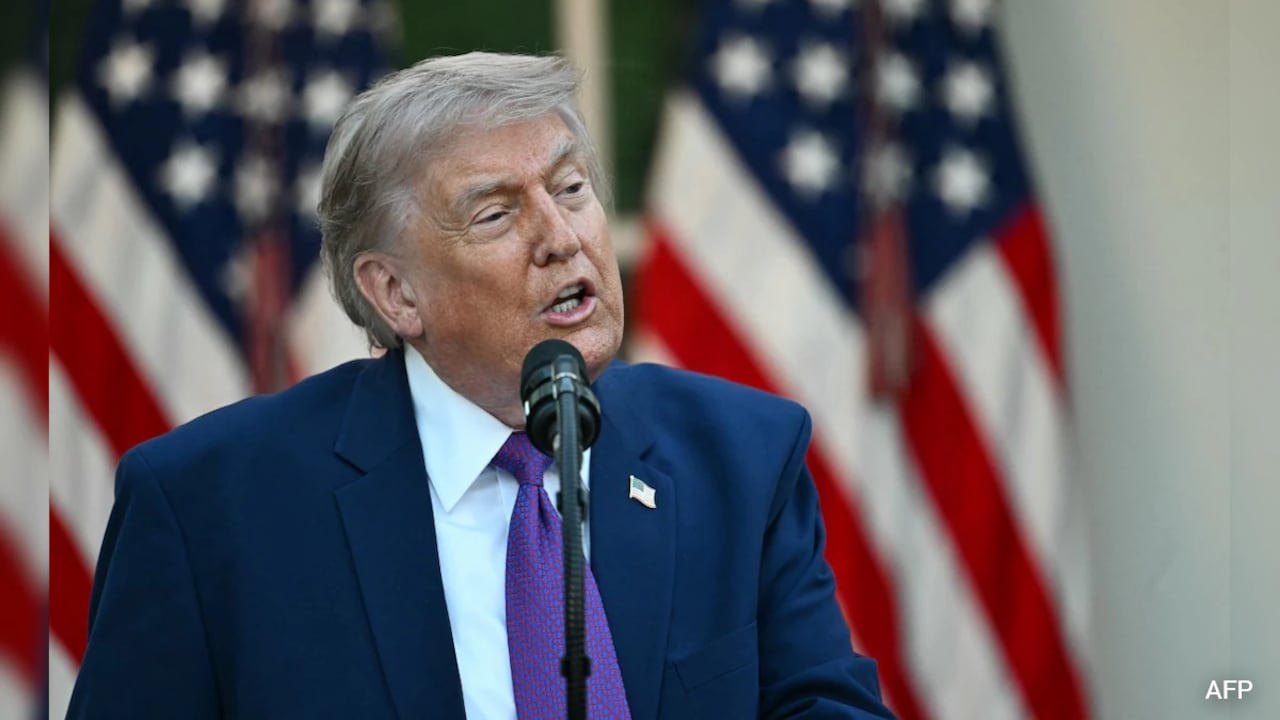
When Donald Trump told Fox News during his November trip to China that the United States would "see what happens" in its conflict with Iran after January 1, most headlines treated it like an ominous countdown clock. It sounds dramatic. It sounds like a ticking fuse set for New Year's Day.
It's actually the exact opposite.
If you look closely at what's happening in Washington right now, that January 1 comment isn't a countdown to an immediate strike—it's a delay. Trump had previously tied his timeline for deciding on renewed major military operations against Iran to the November 2026 midterm elections. By kicking the decision past January 1, 2027, he's buying himself breathing room while navigating a mess of Congressional pushback, mounting war costs, and shifting intelligence claims.
Why January 1 Isn't Actually a Deadline
Here's the catch that surface-level news reports miss. January 1 isn't some magic operational trigger for the Pentagon. It's a political and financial boundary line.
In late November, Trump noted that the current military campaign against Iran is "funded" through January. At the same time, newly elected Democrats are preparing to take office in January following the 2026 midterm elections. That creates a weird, compressed window in Washington. On one hand, Trump faces a shrinking timeline if he wants to authorize major new military operations before the incoming Congress shifts the political math on Capitol Hill. On the other hand, saying "we'll see what happens after January 1" lets him avoid making a messy commitment right now while keeping Tehran guessing.
Honestly, this fits his exact playbook. Throughout this conflict, Trump has bounced back and forth between threatening overwhelming force and hinting that he wants to wind the war down. In that same Fox News interview during the APEC Leaders' Summit in Shenzhen, he said, "We're going to have a new year coming up, and we'll see what happens after January 1. But they've been nasty". Notice the phrasing. There's no ultimatum attached to the date, and he offered zero explanation for why January 1 specifically matters.
The $48.3 Billion Price Tag Nobody Wants to Talk About
You can't separate Trump's hesitation from the sheer financial weight of what's already happened. War isn't abstract when the Pentagon has to send officials to Capitol Hill with receipts.
On November 19, a Pentagon official testified before the Senate Armed Services Committee that the conflict with Iran had already cost an estimated $48.3 billion as of November 13. That number covers military operations along with replacing burned-through munitions and damaged equipment.
And here's the kicker—that $48.3 billion figure doesn't even include the physical damage done to U.S. military bases across West Asia. Lawmakers have been pressing the Defense Department for a separate damage assessment, while an Associated Press analysis points to billions of dollars in additional losses caused by Iranian missile and drone strikes.
When you're staring down nearly $50 billion in direct operational costs before counting base repairs, launching another massive wave of strikes isn't an easy sell—even to allies. While the GOP-led U.S. Senate rejected a measure in mid-November aimed at curbing the war, patience on Capitol Hill isn't infinite. Pushing the decision into 2027 delays a brutal budget fight until after the holidays.
The Shift From Nuclear Threats to Chemical and Biological Claims
If you want to understand where the justification for future action is headed, stop looking exclusively at uranium enrichment and start listening to how the administration's rhetoric is changing.
During his remarks in mid-November, Trump claimed that U.S. actions had effectively blocked Iran's nuclear path, forcing Tehran to look elsewhere. "There is indication that Iran is looking at gases, looking at bio, because we've shut them out with the nuclear," Trump said. "Nuclear is much harder. And they're looking at gas and ... biological weapons — not nice — and other things".
Iran's Foreign Ministry quickly pushed back on X, accusing Washington of fabricating chemical and biological weapons claims simply to manufacture fear and justify further military strikes.
Meanwhile, the messaging inside the U.S. government hasn't been entirely uniform when it comes to immediate threats at home:
- When asked during his China trip whether Americans in Washington should be alarmed about a potential "dirty bomb" attack, Trump downplayed the danger, saying, "I don't think so".
- U.S. Secretary of State Marco Rubio echoed that calmer tone, stating he did not believe there was any imminent threat to the U.S. capital.
- At the same time, pressure from allies continues to build behind closed doors, with Reuters reporting that the head of Israel's Mossad spy agency visited the U.S. in November to advocate for resuming joint U.S.-Israeli strikes against Iran.
This creates a glaring tension. The administration is simultaneously telling the American public that there's no immediate danger to Washington while floating alarming intelligence claims about chemical and biological programs that could be used to justify renewed bombing next year.
How to Read the Next Few Weeks Without Getting Played by Headlines
Cable news thrives on treating every offhand remark from the president as a breaking military order. If you're trying to track where the U.S.-Iran conflict actually goes between now and early 2027, ignore the daily noise and watch three concrete indicators instead.
First, keep an eye on Senate Armed Services Committee disclosures. When the Pentagon finally releases its separate assessment of structural damage to U.S. bases in West Asia, that number will tell you how vulnerable American forces actually are to retaliation—and how expensive a second round of escalation would really be.
Second, watch appropriations and funding language before the new Congress is seated in January. Trump's comment that the war is funded through January is a huge tell. If the White House doesn't aggressively push for supplemental military funding before the end of December, it's a strong signal they aren't planning a massive new campaign on January 2.
Third, track whether Secretary of State Marco Rubio or intelligence officials back up Trump's claims about Iranian chemical and biological weapons with formal briefings. Off-the-cuff remarks during a summit in China are one thing; coordinated intelligence rollouts to Congress are how administrations actually lay the groundwork for war. Until those three pieces move, "see what happens after January 1" means exactly what it sounds like—Washington is stalling for time.