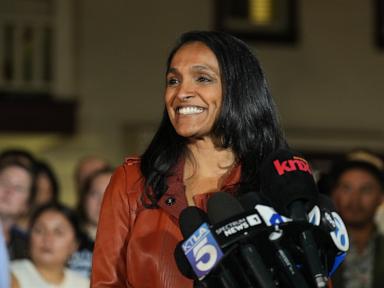
Step outside anywhere from Hollywood to Sherman Oaks right now and you'll see the exact same tension playing out on every block. Nithya Raman isn't just stepping into another political role in Los Angeles—she's walking straight into a city tearing itself apart over housing, policing, and who actually gets to call the shots at City Hall.
When headlines announce that Nithya Raman is taking charge amid LA's homelessness crisis and political division, most out-of-town commentators miss the real story. They treat it like a standard progressive-versus-moderate horse race. It's not. Having followed Los Angeles municipal politics for years and watched how council districts actually operate on the ground, I can tell you the real battle happens in the unglamorous machinery of city bureaucracy, zoning codes, and neighborhood council meetings.
If you want to understand what happens next in Los Angeles, you need to look past the campaign slogans and examine how Raman actually governs, why the city's political consensus collapsed, and what her leadership means for the tens of thousands of people living on the streets.
Why Nithya Raman's Rise Signals a Real Shift in LA Politics
Los Angeles City Hall used to run on quiet consensus and district-level fiefdoms. For decades, individual councilmembers acted like mini-mayors over their territories, trading favors behind closed doors while keeping controversial housing projects out of wealthy neighborhoods.
Raman blew that model up when she first won her District 4 seat in 2020, defeating an entrenched incumbent as an urban planner and grassroots organizer. She didn't come from the traditional political pipeline. Before holding office, she co-founded SELAH Neighborhood Homeless Coalition, spending early mornings on sidewalks in Silver Lake and Echo Park handing out hygiene kits and talking directly to unhoused residents.
That background matters. Most politicians read reports about homelessness; Raman spent years mapping where people slept and why existing shelter beds sat empty.
When she later faced a brutal 2024 primary challenge after redistricting stripped away progressive strongholds like Silver Lake and handed her massive swaths of the more conservative San Fernando Valley, pundits wrote her off. They assumed Valley voters would reject a democratic socialist outright. Instead, she won decisively in the primary, proving her coalition had deeper roots than political consultants realized.
Now, as she steps into greater leadership responsibility—particularly around housing, homelessness committees, and citywide policy—she carries a mandate that terrifies the old guard. She isn't asking for permission anymore.
The Homelessness Crisis Isn't One Problem
People love simple villains. Depending on which neighborhood group you ask in Los Angeles, the homelessness crisis is caused entirely by either greedy developers, soft-on-crime politicians, drug addiction, or a lack of mental health beds.
Honestly, that kind of finger-pointing wastes precious time. The data from the Los Angeles Homeless Services Authority (LAHSA) tells a much messier story.
Tens of thousands of people across the city and county remain unhoused on any given night, despite voters approving billions of dollars through measures like Proposition HHH in 2016 and Measure ULA in 2022. Why haven't those billions solved the problem? Because throwing money at a broken delivery system just produces expensive bottlenecks.
Here's what actually slows down progress on the ground:
- Construction timelines that stretch for years. Under Proposition HHH, supportive housing units routinely took four to six years to build and cost upwards of $600,000 per door due to layered financing, environmental reviews, and neighborhood lawsuits.
- The shelter-to-housing dead end. Temporary congregate shelters often operate with strict curfews, no storage for belongings, and rules that force couples or pet owners to separate. Many people refuse those beds because entering them means losing their only possessions and support systems.
- Fragmented authority. The City of Los Angeles controls land use and policing, while Los Angeles County controls mental health services, substance abuse treatment, and social workers. When the city clears an encampment without county clinical teams ready to step in, people simply move two blocks away.
Raman's entire approach centers on fixing that pipeline. Instead of treating encampment sweeps as a victory, she has consistently pushed for housing-first models, tenant protections, and faster motel conversions that give people actual doors they can lock.
Inside the Political Division Tearing City Hall Apart
To understand why Raman's leadership sparks so much friction, you have to look at the sheer ideological split inside the 15-member Los Angeles City Council.
On one side sits a growing bloc of progressive reformers—including Raman, Eunisses Hernandez, and Hugo Soto-Martinez—who argue that criminalizing poverty only shuffles unhoused people from block to block while draining police budgets. They point out that arresting someone for sitting on a sidewalk doesn't conjure an affordable apartment out of thin air.
On the other side sit more traditional moderates and business-aligned councilmembers who face relentless pressure from homeowners and small business owners exhausted by blocked sidewalks, fires, and street disorder. These officials leaned heavily into Municipal Code Section 41.18, the controversial anti-camping ordinance that bans sitting, lying, or sleeping near schools, daycares, parks, and designated zones across the city.
The leaked 2022 City Hall audio tapes didn't create this division, though they exposed how ugly the behind-the-scenes power struggles had become. Redistricting had been weaponized to protect incumbents and dilute emerging voting blocs. Trust evaporated overnight.
Today, every major vote on housing density, police staffing, or tenant protections turns into a referendum on the city's identity. When Raman takes the lead on policy initiatives, she isn't just drafting legislation—she's navigating a chamber where colleagues fundamentally disagree on whether the city's primary duty is protecting property values or expanding tenant rights.
How Nithya Raman's Strategy Differs From Mayor Karen Bass's Inside Safe
A lot of observers assume Karen Bass and Nithya Raman operate from the exact same playbook. They don't.
When Mayor Bass launched Inside Safe shortly after taking office, her goal was immediate, visible street clearance. The program uses emergency powers to move entire encampments into leased motels and hotels quickly, bypassing years of red tape. It cleared high-profile encampments in Hollywood, Venice, and downtown Los Angeles, earning praise from residents who wanted immediate relief.
Raman supported the urgency behind Inside Safe, yet she has raised pointed, practical questions about its long-term math and transparency.
Moving someone into a motel room at $100 or more per night solves the immediate street crisis, but it's a financial treadmill unless permanent apartments exist at the other end. Without enough permanent supportive housing or federal housing vouchers to absorb those motel residents, the city risks spending hundreds of millions of dollars on temporary rooms without reducing the total unhoused population.
Raman's focus leans much harder into structural prevention and permanent supply:
- Stopping the inflow before people hit the streets. Studies from the UCSF Benioff Homelessness and Housing Initiative show that high housing costs and sudden income loss—not just severe mental illness—drive the majority of new homelessness in California. Raman championed Los Angeles's universal just-cause eviction protections and relocation assistance for tenants hit with steep rent hikes, recognizing that keeping one family housed costs a fraction of rehousing them later.
- Rewriting zoning rules to allow density everywhere. For years, LA concentrated new apartments along noisy, polluted commercial boulevards while keeping roughly three-quarters of residential land restricted to single-family homes. Raman has pushed to open up high-opportunity neighborhoods to multi-family and affordable housing so working-class residents aren't pushed to the outer edges of the county.
- Reforming outreach contracts. Rather than relying solely on LAPD sweeps, she has advocated for unarmed crisis response teams and street-based healthcare workers who build trust over weeks rather than forcing compliance in ten minutes.
That distinction matters. Bass focuses on executive crisis management; Raman focuses on rewriting the underlying rules so the crisis stops regenerating itself every month.
The Friction Points Critics Actually Have a Point About
Giving an honest assessment means acknowledging where Raman's approach runs into real-world walls. Even supporters admit her vision faces massive execution hurdles.
First, neighborhood backlash isn't going away. In parts of Sherman Oaks, Studio City, and Los Feliz, residents and business associations complain that slow-moving outreach leaves commercial corridors unusable for months while outreach workers try to build rapport. If a small business owner watches customers walk away because an encampment blocks their front entrance, telling them to wait two years for a supportive housing project feels like abandonment.
Second, city bureaucracy moves at a glacial pace. You can pass the smartest tenant protection ordinance or zoning reform in California, but if the Los Angeles Housing Department takes nine months to process a voucher or inspect an apartment, landlords walk away and take market-rate tenants instead. Turning progressive policy into functioning city services requires grinding operational management, not just legislative wins.
Third, budget reality is biting hard. Los Angeles faces tightening municipal budgets, rising liability payouts, and surging labor costs. Expanding unarmed crisis teams, maintaining motel leases, and funding eviction defense all compete for the exact same pool of general fund dollars. Tough tradeoffs are unavoidable.
What You Should Watch Closely Over the Next Year
If you live in Los Angeles, pay rent, own property, or simply care about whether major American cities can solve visible street poverty without losing their soul, don't watch press conferences. Watch the metrics that actually move the needle.
Pay attention to how fast the city moves people out of Inside Safe motels into permanent apartments, because stagnant motel stays will bankrupt the program's momentum. Keep an eye on how aggressively the city enforces its just-cause eviction rules and whether Measure ULA funds actually accelerate affordable construction starts rather than getting bogged down in litigation and administrative delays.
Most importantly, watch how Raman handles the tension between her progressive base and the frustrated homeowners in her own district. Anyone can shout from the outside of City Hall. Taking charge means owning the messy, imperfect compromises required to actually get keys into people's hands while keeping neighborhoods safe and functional.
If you want to influence how this plays out in your own neighborhood, show up to your local Neighborhood Council land-use committee meetings, track the City Council's Housing and Homelessness Committee agendas online, and push your council office for transparent numbers on permanent housing placements—not just encampment sweep counts.