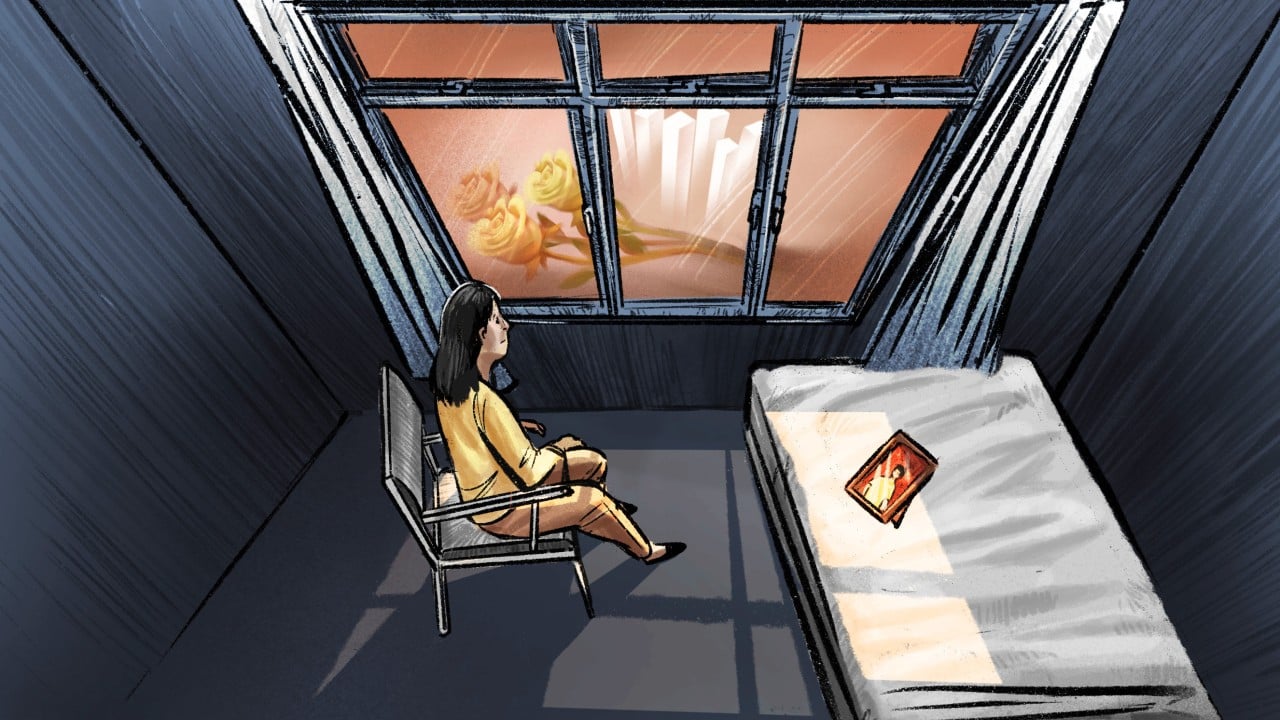
You hand over $9,489 to clear a $9,213 court judgment against your condo. You keep the receipts. You assume the nightmare is over, only to have a judge tell you that you're still in debt.
It sounds like a clerical error or a bad joke, right? It isn't. In an Indiana case that caught the attention of homeowners everywhere, a condo owner paid more than the original $9,213 judgment amount—$9,489 in total—yet the court ruled he still owed money to his condominium association.
If you live in a condo or a neighborhood governed by a Homeowners Association (HOA), this isn't just someone else's legal headache. It's a warning about how debt collection works when association bylaws, statutory interest, and ongoing assessments collide. Most people think a court judgment freezes a debt in time. They think paying the number printed on the court order wipes the slate clean.
That assumption can cost you your home.
How a $9,213 Condo Judgment Grows Even After You Pay $9,489
When a court enters a money judgment for $9,213, that number is merely a snapshot of what you owed on the exact day the judge signed the order. It doesn't stop the clock.
In Indiana, and across nearly every state in the U.S., three financial engines keep running in the background while you're trying to pay off a condo debt.
First, there's post-judgment interest. Under Indiana Code 24-4.6-1-101, money judgments accrue statutory interest—typically 8% per year unless the governing contract specifies another rate. If it takes you months or a couple of years to pay off that $9,213 through wage garnishments or installment payments, hundreds of dollars in interest pile onto the principal balance.
Second, your monthly condo dues don't pause just because you're paying off an old judgment. While you're sending checks to satisfy the $9,213 debt from last year, new monthly assessments are coming due every single month. If your payments only go toward the old balance—or if you miss even one current assessment—you're creating a brand-new delinquency right next to the old one.
Third, and this is the part that blindsides almost everyone, there's fee shifting. Condo declarations and state statutes like the Indiana Condominium Act allow associations to tack their ongoing legal costs onto your account. Every time the HOA's attorney reviews your payment plan, files a motion for proceedings supplemental, or calculates an updated payoff balance, those billable hours get added to your ledger.
The Trap of Payment Application Rules
Here's where people get burned in practice. You might write a check thinking, "This goes toward my $9,213 judgment." The association's accounting software sees things differently.
Most HOA governing documents contain strict priority of payment clauses. When money arrives, it rarely touches the principal debt first. Instead, payments are typically applied in a specific order:
- Outstanding attorney fees and collection costs
- Late fees and administrative charges
- Accrued interest
- Oldest unpaid assessments
- Current assessments
Think about what that means in real life. If the association's lawyer spent three hours drafting paperwork to collect your $9,213 judgment, those legal fees might eat up the first $900 or $1,200 of your payments. By the time your $9,489 is processed, a chunk of it never even reduced the original $9,213 figure.
I've seen homeowners celebrate making their final payment on a payment plan, only to receive a notice of lien foreclosure six weeks later. They didn't realize they were chasing a moving target.
Why Condo Associations Have So Much Leverage
If you fall behind on a credit card, the bank has to sue you, win a judgment, and then try to garnish your wages or levy a bank account. Credit card debt is unsecured.
Condo debt is completely different. Under state condominium laws, unpaid assessments automatically create a continuing lien on your property. The association doesn't just have a claim against you personally—it has a claim against the real estate itself.
Even worse, many state laws give HOA and condo liens "super-lien" priority over certain other debts, or allow associations to foreclose on a unit even if the owner is completely current on their primary mortgage. According to data tracked by the Community Associations Institute (CAI), millions of Americans live in community associations, and while most pay their dues on time, the ones who fall behind face some of the most aggressive collection mechanisms in civil law.
Because condo boards have a fiduciary duty to collect assessments from all owners to pay for shared roofs, insurance, and maintenance, they rarely compromise. And because the law lets them recover attorney fees from the delinquent owner, the HOA's legal team has zero financial incentive to keep billing low.
What Most Homeowners Get Wrong About Paying Off Legal Debt
If you're ever on the receiving end of a judgment or a collection demand from an HOA, relying on the number on the original court document is a massive mistake.
- Mistake 1 Assuming the judgment amount is the final payoff. A judgment is a floor, not a ceiling. Interest starts ticking the day after the judgment is entered.
- Mistake 2 Sending random payments without a written payoff quote. Mailing checks without an official, dated payoff statement leaves you guessing how the funds are being applied.
- Mistake 3 Ignoring current dues while paying old arrears. You have to pay this month's assessment on top of whatever you're paying toward the court judgment.
- Mistake 4 Skipping court hearings once you start paying. When an attorney files a post-judgment motion to check on your assets or update the balance, failing to show up lets them add default fees and unchallenged legal bills to your tab.
How to Protect Yourself When Settling a Condo or HOA Debt
If you owe money to a condo board—or if you're currently paying off a judgment—you need to treat it like a real estate closing, not a utility bill.
Stop sending informal payments based on old paperwork. Demand a written, itemized payoff statement good through a specific date, usually 10 to 15 days out. Make sure that statement explicitly includes all accrued post-judgment interest, any ongoing monthly assessments, and every penny of legal fees incurred up to that date.
Check your state's statutory interest rate and compare it against the math on their ledger. Mistakes happen constantly in HOA accounting, especially when management companies switch software or hand files over to outside collection law firms. Ask for a full transaction history going back to the first missed payment so you can verify that every dollar you already paid was actually credited.
Once you pay the exact payoff amount via certified funds, don't walk away and assume the court record updates itself. Require the association's attorney to file a formal Satisfaction of Judgment with the court clerk and a Release of Lien with the county recorder's office. Until those two documents are officially recorded, that debt—and the cloud on your property title—is still alive.