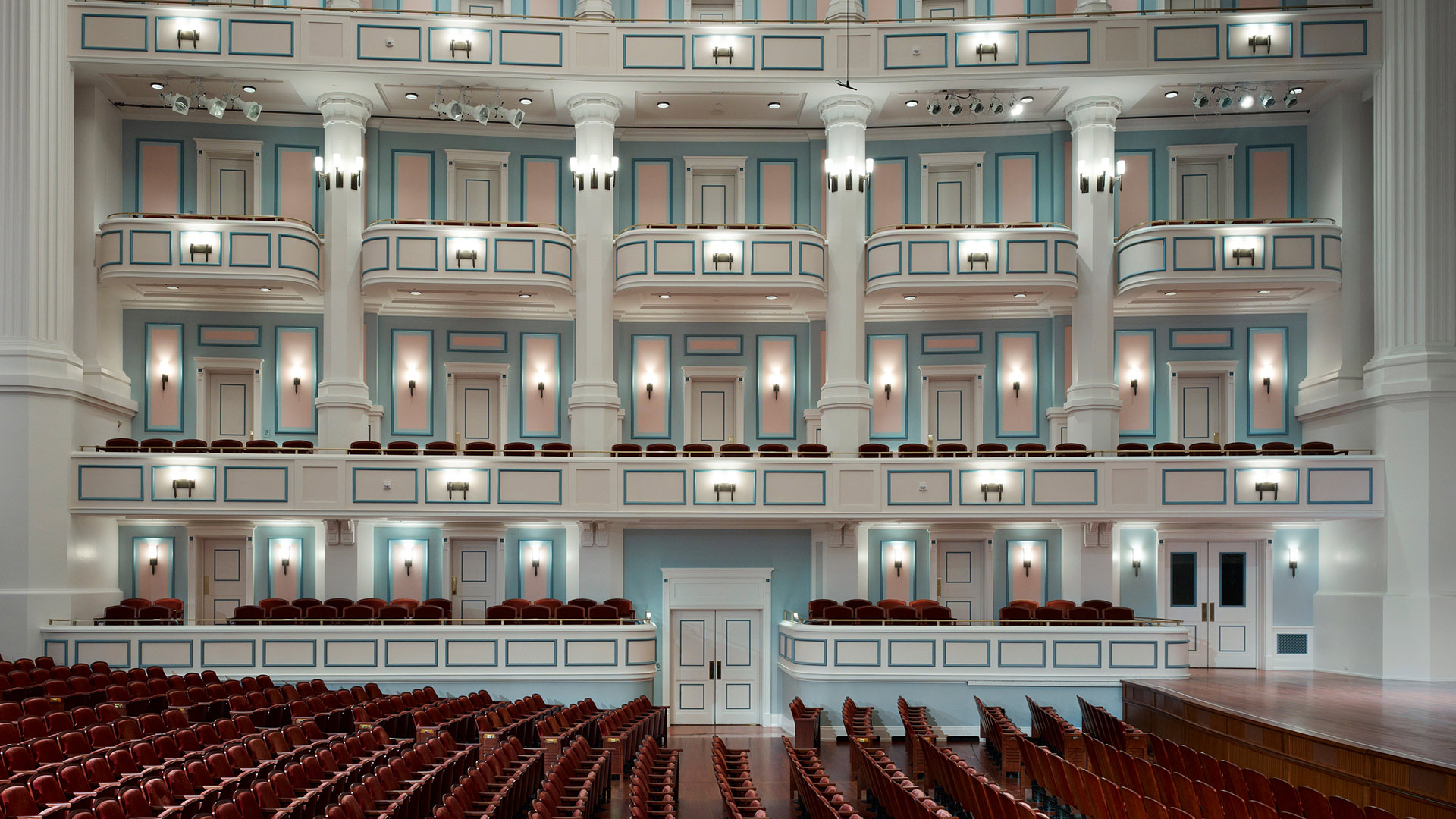
The Hollywood Palladium has survived for nearly a century by being loud. Since 1940, its dance floor has rattled under the weight of Big Band swing, punk riots, and the heavy bass of modern EDM. It is a cavernous, echo-prone monument to the communal roar. But hidden within its historic walls, a new space called The Gold-Diggers Listening Lounge has appeared, and it is built on the radical premise that the best way to experience music is to actually shut up and listen.
This is not another VIP bottle-service booth. It is a high-fidelity sanctuary modeled after the kissaten culture of Japan—intimate spaces where the equipment costs more than a suburban home and the social contract demands silence while the needle is on the record. By opening this lounge, Live Nation and the Gold-Diggers team are betting that Los Angeles' elite earners are tired of shouting over drinks and are ready to pay for the privilege of sonic clarity.
The Engineering of Intimacy
Most modern bars are designed to be loud because noise sells alcohol. High decibel levels inhibit conversation, leading patrons to drink faster. The Listening Lounge at the Palladium reverses this architectural greed. The room has been surgically inserted into the venue's footprint, utilizing heavy-duty soundproofing to ensure that even if a sold-out rock show is vibrating the main stage a few dozen feet away, the lounge remains a vacuum of analog warmth.
The heart of the operation is the signal chain. In a typical nightclub, music is compressed into a digital mush and blasted through PA speakers designed for durability, not detail. Here, the setup revolves around custom-built speakers and vacuum tube amplification. We are talking about the kind of gear that reveals the sound of a drummer’s brush hitting a snare or the slight intake of breath from a vocalist before a high note.
Analog Over Digital
The "Japanese-style" descriptor isn't just marketing fluff. It refers to a specific obsession with the physical medium.
- Vinyl Only: The library is curated with first pressings and audiophile-grade reissues.
- Manual Selection: No algorithms or "chill lo-fi" playlists. Every track is chosen by a human being who understands the room’s acoustics.
- Sonic Sweet Spots: The furniture is arranged not for "seeing and being seen," but for optimal stereo imaging.
The Business of the Deep Cut
Why would a massive corporate entity like Live Nation bother with a small-capacity room that prizes silence? The answer lies in the shifting demographics of the "experience economy." The veteran concert-goer—the one with the disposable income—is increasingly alienated by the friction of massive venues. They want the prestige of the Palladium without the sticky floors and the $20 lukewarm beers.
The Listening Lounge functions as a high-margin "venue within a venue." It captures the audience that wants to engage with music as an art form rather than a background texture. By partnering with Gold-Diggers—a brand that already operates a successful hotel, bar, and recording studio complex in East Hollywood—the Palladium is importing immediate subcultural street cred. They are selling an antidote to the digital fatigue of Spotify.
The Friction of the Shush
The biggest challenge facing this lounge isn't the audio engineering; it's the behavior of the Los Angeles crowd. For decades, the "listening room" concept has struggled in the West because American social culture treats music as a social lubricant. In Tokyo, if you talk over a rare jazz record, the proprietor might ask you to leave. In Hollywood, telling a high-spending guest to lower their voice is a dangerous game.
The lounge relies on a subtle, almost psychological form of gatekeeping. The entrance is intentionally non-descript. The lighting is dimmed to a degree that discourages photography. By removing the visual distractions of the "Instagrammable" bar, the venue forces the focus back onto the speakers. It is a forced meditation.
The Gear Specs
To understand the "why," you have to look at the "what." The lounge isn't using off-the-shelf consumer products.
- Turntables: High-mass platters designed to eliminate vibration.
- Cartridges: Moving-coil needles that track the grooves with surgical precision.
- Acoustic Treatment: Custom diffusers and bass traps hidden behind vintage aesthetics.
A Cultural Correction
For years, the industry pushed for "louder, bigger, faster." We reached peak volume a decade ago. Now, the pendulum is swinging back toward the granular. The opening of this space suggests that the next luxury frontier in entertainment isn't more access, but better quality. It is a rejection of the "content" era in favor of the "fidelity" era.
If you find yourself inside, don't look for a dance floor. Don't look for a stage. Sit in the chair, wait for the pop of the needle hitting the groove, and let the room do what it was designed to do.
Grab a menu, order a stiff drink, and keep your phone in your pocket.