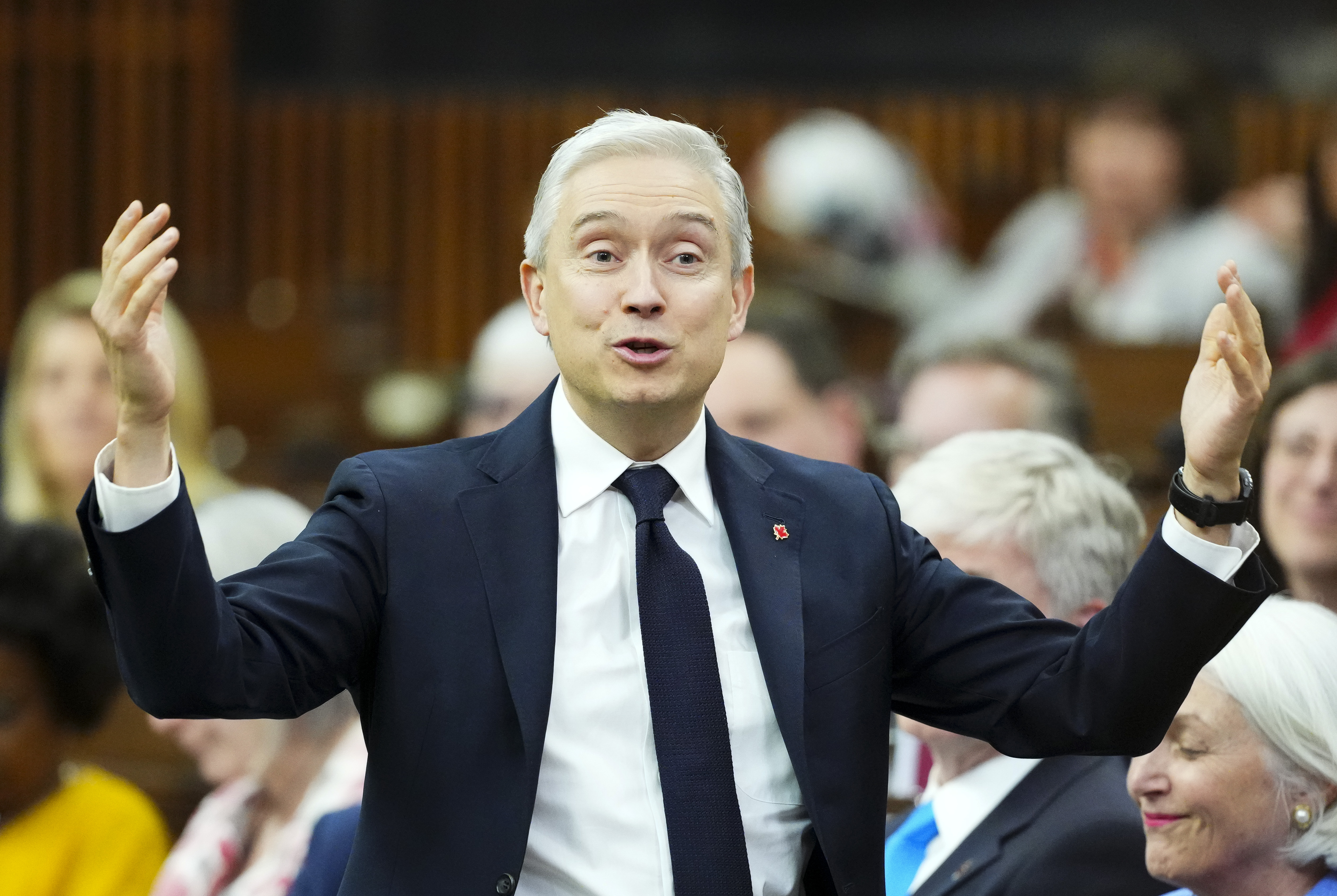
The federal government is about to drop its Spring Economic Statement, and the collective yawn from Bay Street is the loudest sound in the country. The standard narrative suggests this is a "pivotal update" on Canada’s fiscal health. It isn't. It’s a performative ritual designed to mask the fact that the spreadsheet has been broken for years.
While the press gallery prepares to dutifully report on "targeted investments" and "fiscal anchors," let’s talk about the reality that gets buried in the fine print. This isn't a strategy. It’s a desperate attempt to keep a sinking credit rating afloat while pretending the debt-to-GDP ratio is a magic shield.
The Fiscal Anchor is a Ghost
For a decade, we’ve been told that as long as the debt-to-GDP ratio is declining, the house is in order. This is the most successful gaslighting campaign in Canadian economic history.
Relying on debt-to-GDP as your primary metric is like a person claiming they are financially healthy because their credit card debt is growing slightly slower than their side hustle. It ignores the cost of servicing that debt. When interest rates were at rock bottom, the government could afford to be sloppy. Those days are dead.
The Parliamentary Budget Officer (PBO) has been shouting into the void about this. The cost to service our federal debt is now eating up more tax revenue than we spend on several major social programs combined. Every dollar spent on interest is a dollar that doesn't go to healthcare, housing, or defense. The "anchor" isn't holding us steady; it’s a weight around the neck of the next three generations.
Stop Calling it Investment
The Liberal messaging machine loves the word "investment." It’s the ultimate linguistic cheat code. If you spend money on a bridge, it’s an investment. If you spend money on a bloated consultant contract, they call it an investment.
True investment implies a return. In economic terms, that means productivity growth. Canada’s productivity is currently in the basement, sharing space with outdated dial-up modems. We are witnessing a "per capita recession" where the economy grows only because we are adding more people, while the individual standard of living stagnates or drops.
When the Spring Statement mentions "investing in the middle class," look for the actual output. Usually, it’s just more consumption-based spending that fuels inflation. You can’t borrow your way to a high-productivity economy. You build that through capital expenditure, R&D, and reducing the regulatory sludge that makes it impossible to build anything in this country.
The Housing Subsidy Paradox
Expect a flurry of announcements regarding housing. The "People Also Ask" sections of the internet are filled with "How is the government helping me buy a home?"
The brutal honesty? They aren't. Almost every policy introduced—from the FHSA to extended amortizations—increases demand. When you give more people more money to buy the same limited supply of houses, the price goes up. It is basic math that the political class refuses to acknowledge because "helping first-time buyers" sounds better on a campaign poster than "flooding the market with cheap credit."
If the government wanted to fix housing, they would stop subsidizing demand and start eviscerating the barriers to supply. But that involves fighting municipal NIMBYs and provincial red tape, which is politically expensive. Spending tax dollars is easy. Structural reform is hard.
The Myth of the Soft Landing
The consensus is that we’ve avoided a hard landing. We’re told the Bank of Canada has threaded the needle.
I’ve spent twenty years watching these cycles. The "soft landing" is usually just the quiet period before the ground arrives. The lag effect of interest rate hikes is still working its way through the system. Thousands of mortgages are set to renew at significantly higher rates in the next 18 months.
The Spring Statement will likely project sunny skies and moderate growth. They have to. No finance minister has ever stood at a podium and said, "Brace yourselves, we’ve run out of road." But look at the private sector investment numbers. Capital is fleeing Canada for more competitive jurisdictions. We are becoming an economy of real estate agents and government workers, selling houses to each other while the industrial base atrophies.
The Real Cost of "Fairness"
The looming theme of this statement will be "Fairness for Every Generation." It’s a clever bit of branding designed to pit younger voters against retirees. It’s also a distraction.
Real generational fairness would involve not leaving a trillion-dollar debt to people who haven't been born yet. It would involve a tax code that rewards work and innovation rather than rent-seeking and property speculation.
Instead, we will get more boutique tax credits. A few hundred dollars here for "green" upgrades, a few hundred there for student loan relief. These are breadcrumbs. They do nothing to address the core issue: Canada is becoming a low-growth, high-debt branch plant economy.
The Productivity Gap is a National Emergency
We are currently trailing the U.S. in productivity by a margin that should be cause for a national inquiry. Since 2015, the gap has widened into a canyon.
- Capital Intensity: Canadian businesses aren't buying tools, software, or machinery at the rate of our peers.
- Regulatory Burden: It takes years to get a mine or a pipeline approved, while our competitors do it in months.
- Tax Complexity: We have a tax system so convoluted it requires a small army of accountants to navigate, diverting brainpower away from actual value creation.
The Spring Economic Statement will likely ignore these systemic failures in favor of more "targeted" spending. It’s like trying to fix a shattered engine by giving the car a fresh coat of paint.
What You Should Actually Look For
When the document drops, ignore the big numbers in the press release. Flip to the back. Look at the "Debt Servicing Costs" line. Look at the "Projected Growth" versus the "Population Growth."
If the population is growing at 3% and the economy is growing at 1%, we are getting poorer. Period. No amount of "social infrastructure" spending changes that fundamental reality.
The government will claim they are being fiscally responsible because they aren't spending as much as they could have. This is the logic of a shopaholic who thinks they saved money because they only bought three pairs of shoes instead of four.
The Uncomfortable Truth
Canada is at a crossroads, but we’re pretending it’s a straightaway. We have traded long-term economic dynamism for short-term social stability funded by debt. We are comfortable, but we are stagnant.
The Spring Economic Statement isn't a roadmap to prosperity; it’s a ledger of our decline. It’s an admission that we no longer know how to grow the pie, so we’ve decided to argue more intensely about how to slice the shrinking one we have left.
Stop waiting for Ottawa to "unlock" the economy. They are the ones who turned the key in the first place. The only way out is to stop the spending spree, slash the bureaucracy, and realize that a government cannot subsidize its way to greatness.
The math doesn't care about your feelings, and it certainly doesn't care about the Liberal's polling numbers. The bill is coming due.