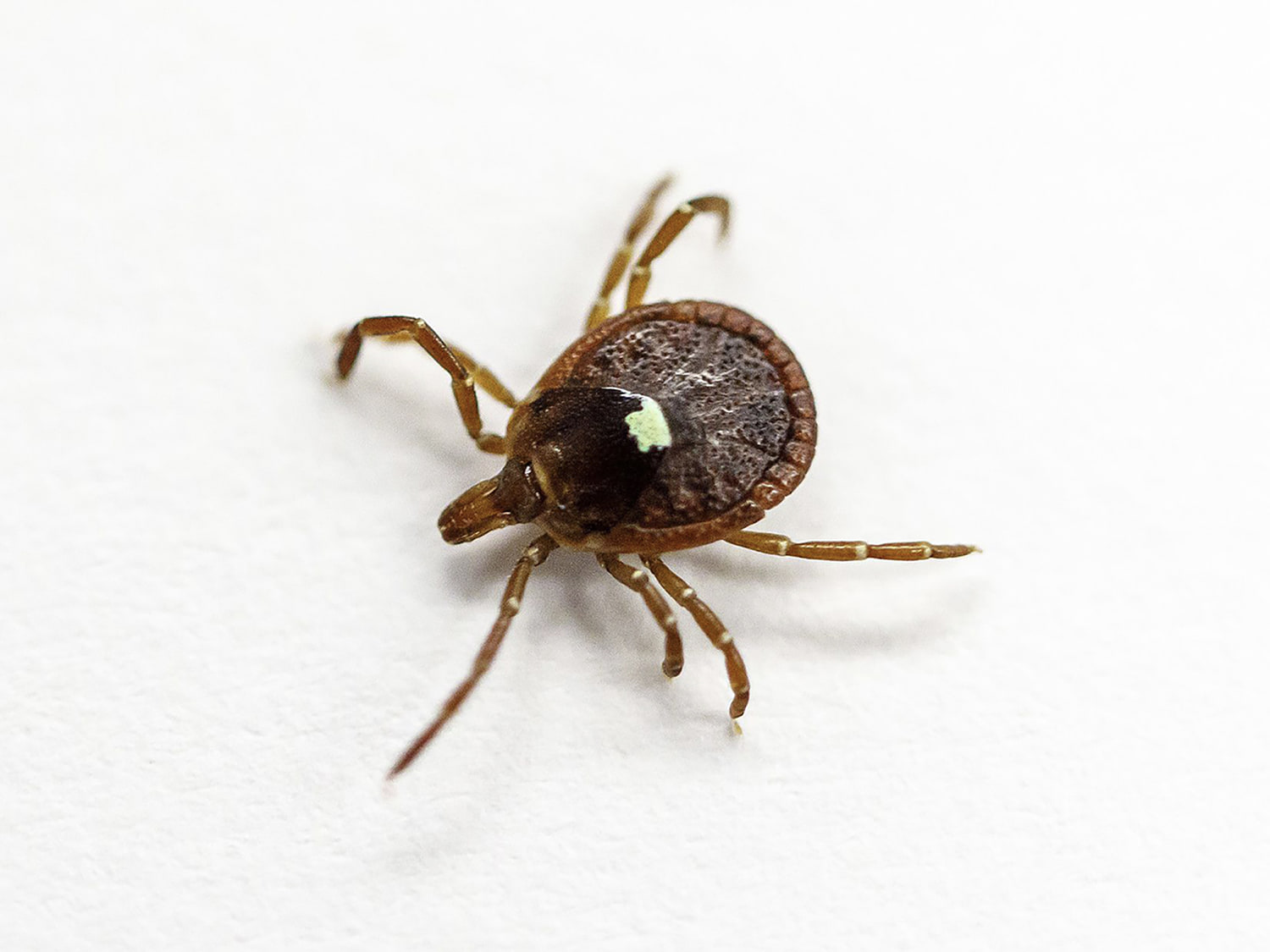
For people living with alpha-gal syndrome, a single accidental bite of beef, pork, or lamb can trigger delayed, life-threatening anaphylaxis hours after dinner. Now, allergists and clinical researchers are looking closely at omalizumab—an injectable monoclonal antibody originally developed for severe asthma and chronic hives—as a potential buffer against catastrophic reactions to red meat. By binding to free immunoglobulin E (IgE) antibodies in the bloodstream before they can latch onto immune cells, the drug may raise the threshold of exposure required to set off an allergic cascade, offering a chemical safety net where strict avoidance inevitably falls short.
Avoidance sounds simple on paper. In practice, it is an exhausting, high-stakes minefield.
Unlike conventional food allergies to peanuts or shellfish, which strike within minutes, alpha-gal syndrome operates on a treacherous delay. Symptoms typically erupt two to six hours after eating mammalian meat or dairy products. Patients go to sleep feeling fine and wake up in the middle of the night with plummeting blood pressure, throat swelling, violent gastrointestinal cramps, or full-blown anaphylactic shock. Because the trigger is a sugar molecule—galactose-alpha-1,3-galactose—rather than a protein, it hides in places most consumers never think to check.
Gelatin capsules, magnesium stearate in daily medications, glycerin in processed foods, certain vaccines, and even heart valves derived from pigs or cows all carry the carbohydrate. Cross-contamination on a shared restaurant grill can send a sensitized person to the emergency room. For years, the medical establishment offered patients little more than a stern warning to read every label, a prescription for epinephrine auto-injectors, and a shrug.
How a Tick Bite Rewires the Human Immune System
To understand why an asthma biologic is suddenly at the center of alpha-gal discussions, you have to look at the bizarre biology of the condition itself. Humans and great apes are among the very few mammals that do not naturally produce the alpha-gal sugar molecule in their own tissues. Everyone else—cows, pigs, deer, sheep, rabbits—makes it in abundance.
Normally, our immune systems ignore the trace amounts of alpha-gal that pass through our digestive tracts when we eat a burger or drink a glass of milk. That tolerance shatters when an infected tick—most notably the Lone Star tick (Amblyomma americanum) in North America, though other species drive the condition across Europe, Australia, and Asia—bites a human host.
Ticks carry alpha-gal in their saliva, likely left over from previous blood meals on other mammals. When the tick breaches the skin barrier and injects its saliva alongside tissue-damaging enzymes, the human immune system panics. Instead of treating the sugar molecule as harmless dietary background noise, immune cells flag alpha-gal as an invading parasite. The body begins churning out massive quantities of alpha-gal-specific IgE antibodies.
These IgE antibodies act like microscopic tripwires. They circulate through the blood and dock onto the surface of mast cells and basophils—the heavy artillery of the allergic response, packed to the brim with histamine, tryptase, and inflammatory cytokines.
The Lipid Digestion Bottleneck
The notorious delay in symptoms comes down to basic biochemistry. Proteins from peanuts or shrimp dissolve quickly in the stomach and enter the bloodstream rapidly, causing immediate reactions. Alpha-gal, however, is frequently bound to fats—specifically glycolipids.
Dietary fats take hours to break down. They must be emulsified by bile salts, packaged into microscopic transport vehicles called chylomicrons, and routed through the lymphatic system before finally dumping into the bloodstream. Only when those alpha-gal-laden chylomicrons hit the circulation hours later do they cross-link the IgE tripwires sitting on mast cells. When two adjacent IgE molecules grab onto the alpha-gal sugar simultaneously, the mast cell detonates, flooding the body with chemical mediators that dilate blood vessels, constrict airways, and trigger hives.
Why Omalizumab Changes the Threshold Equation
This is where omalizumab (sold under the brand name Xolair) enters the frame. Approved by the FDA in 2003 for allergic asthma and later expanded to chronic spontaneous urticaria, nasal polyps, and—crucially—IgE-mediated food allergies, omalizumab is not a cure. It does not retrain the immune system to accept red meat, nor does it erase the underlying sensitivity caused by the tick bite.
Instead, it acts as a molecular sponge.
Omalizumab is a humanized monoclonal antibody engineered to target the exact region of the IgE molecule that binds to receptors on mast cells and basophils. When injected subcutaneously, it grabs onto free-floating IgE in the blood, forming inert complexes that the body quietly clears away. It does not strip away IgE that is already anchored to mast cells, nor does it trigger those cells to release histamine.
Over weeks of treatment, something remarkable happens. Because free IgE levels plummet, mast cells and basophils begin pulling their empty IgE receptors back inside the cell membrane. With fewer receptors on the surface and far fewer IgE tripwires armed and waiting, the immune cells become dramatically less twitchy.
In early 2024, the FDA approved omalizumab to reduce allergic reactions—including anaphylaxis—following accidental exposure to one or more foods in adults and children aged one year and older. That landmark decision followed clinical trial data showing that patients treated with the drug could tolerate significantly higher doses of peanut, milk, egg, and cashew proteins without reacting.
Applying that exact same mechanism to alpha-gal syndrome is a logical next step, and case reports alongside observational clinical data have already shown promise. In documented clinical cases, severe alpha-gal patients who suffered recurrent, unpredictable reactions despite meticulous dietary vigilance saw their reactions drop in frequency and intensity once started on regular omalizumab injections. Some patients who previously reacted to trace dairy or hidden gelatin found they could tolerate minor accidental exposures without reaching for their epinephrine.
The Catch Behind the Biologic Shield
Before anyone views omalizumab as a license to order a ribeye steak, the realities of clinical immunology and pharmaceutical economics demand a cold dose of skepticism.
First, threshold elevation is not immunity. Consider a hypothetical example to illustrate how this works in real life. Suppose an untreated alpha-gal patient experiences throat swelling and hives after ingesting just 50 milligrams of mammalian protein—roughly the amount found in a sliver of bacon or a contaminated spatula. After four months of biweekly omalizumab injections, their reaction threshold might climb to 1,000 milligrams. That buffer is wide enough to protect them if a restaurant accidentally uses butter instead of olive oil on their toast. It will almost certainly fail if they sit down and eat a six-ounce pork chop.
Because alpha-gal reactions are heavily influenced by cofactors—alcohol consumption, intense exercise, nonsteroidal anti-inflammatory drugs like ibuprofen, and underlying viral infections all accelerate fat absorption and lower mast cell stability—a dose of meat that causes zero symptoms on a quiet Tuesday might trigger severe anaphylaxis on a Friday night after two glasses of wine and a brisk walk. Relying on a biologic to eat red meat intentionally is playing Russian roulette with your airway.
Second, there is the regulatory and insurance wall. While omalizumab carries FDA approval for IgE-mediated food allergies generally, alpha-gal syndrome occupies a strange gray zone because its trigger is a carbohydrate rather than a classic food protein, and large-scale, randomized, double-blind clinical trials specifically targeting alpha-gal patients remain sparse.
Without explicit, disease-specific labeling or massive Phase 3 trials dedicated solely to mammalian meat allergy, securing insurance coverage can turn into an administrative war of attrition. Omalizumab carries a list price that frequently exceeds $1,500 to $3,000 per month depending on dosing weight and baseline IgE levels. Pharmacy benefit managers routinely demand documented proof of severe, recurrent anaphylaxis despite strict avoidance before signing off on prior authorizations. For uninsured or underinsured patients living in rural areas where Lone Star ticks thrive, the financial barrier is effectively insurmountable.
The Dosing Puzzle
Dosing adds another layer of complexity. In asthma and food allergy protocols, omalizumab dosing is calculated using a matrix of the patient's body weight and their total serum IgE level. Tick bites are notorious for sending total IgE levels skyrocketing into the thousands—sometimes far above the upper limits of standard dosing charts.
When baseline IgE is excessively high, standard doses of omalizumab may fail to mop up enough circulating antibodies to meaningfully quiet down mast cells. Allergists treating these outliers are forced to weigh higher, off-chart dosing regimens that insurers almost universally reject, or accept partial protection that leaves the patient vulnerable to high-fat mammalian triggers like beef tallow or full-fat dairy.
The Silent Epidemic Driving the Urgency
The push to find pharmacological buffers for alpha-gal is accelerating because the patient population is exploding—and medical awareness is lagging dangerously behind.
According to data published by the Centers for Disease Control and Prevention, more than 110,000 suspected cases of alpha-gal syndrome were identified in the United States between 2010 and 2022, with researchers estimating the true number of affected Americans could be closer to 450,000 due to widespread misdiagnosis. Warmer winters and shifting wildlife patterns have allowed the Lone Star tick to expand far beyond its traditional southeastern strongholds, pushing deep into the Midwest, the Northeast, and parts of Canada.
Despite those numbers, surveys of healthcare providers reveal that nearly half of primary care physicians have never heard of alpha-gal syndrome, and fewer than a third feel confident diagnosing or managing it. Patients routinely spend years bouncing between gastroenterologists, cardiologists, and dermatologists—getting misdiagnosed with irritable bowel syndrome, panic attacks, or idiopathic hives—before anyone orders a simple blood test for alpha-gal IgE.
By the time these patients finally reach a board-certified allergist, many have already endured multiple terrifying ambulance rides. For the subset of patients who remain hyper-reactive to microscopic traces of mammalian derivatives—reacting to the fumes of cooking bacon, trace dairy in baked goods, or essential prescription medications bound with animal-derived excipients—strict avoidance alone ceases to be a viable quality-of-life strategy.
What Patients and Clinicians Must Weigh Right Now
For the vast majority of people diagnosed with alpha-gal syndrome, strict dietary vigilance combined with carrying two epinephrine auto-injectors remains the cornerstone of survival. Unlike peanut allergies, which tend to be lifelong, alpha-gal IgE levels often decline naturally over two to five years—provided the patient avoids additional tick bites. Every new Lone Star tick bite acts like a booster shot, resetting the clock and driving IgE levels back through the roof.
Omalizumab does not speed up that natural decay. In fact, because the drug binds to IgE and extends its half-life in the bloodstream before clearance, standard total IgE blood tests become artificially elevated and useless for tracking recovery while a patient is actively receiving injections.
Yet for high-risk patients trapped in a cycle of accidental exposures, severe anaphylaxis, or unavoidable medical treatments containing mammalian ingredients, anti-IgE therapy represents the first genuine pharmacological shield available. It shifts the burden from total reliance on human perfection in a food system saturated with hidden animal byproducts to a measurable, biological reduction in cellular volatility.
If you or someone you manage is suffering recurrent reactions despite eliminating all visible red meat and dairy, consult a board-certified allergist to evaluate baseline serum IgE levels and discuss whether off-label or food-allergy-indicated omalizumab therapy warrants a formal prior authorization request.