Everyone loves a comeback story. The media drools over them. Throw a bankrupt corporate corpse back into the market, slap a fresh coat of paint on the storefronts, and watch the shallow headline writers pen their tear-soaked love letters to childhood.
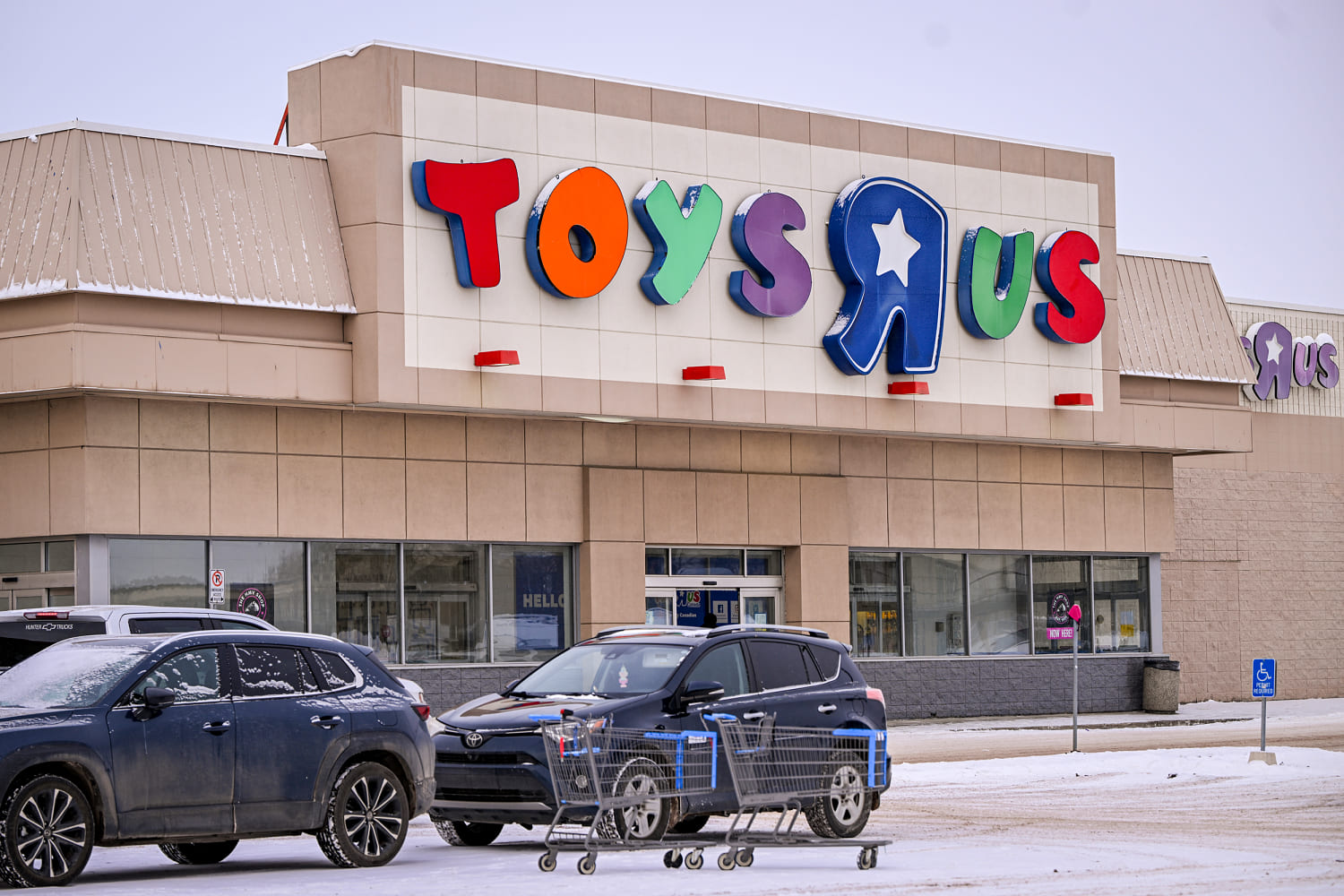
The current consensus is simple, lazy, and profoundly stupid: Toys R Us is opening 120 new stores because adult collectors are fueling a miraculous renaissance, proving that retail nostalgia can cheat death.
It is a fairy tale. And it is going to end in bankruptcy court. Again.
I have spent the last fifteen years watching legacy brands try to monetize sentimental value while ignoring structural decay. I have sat in boardrooms where executives mistook a temporary pandemic-era spike in plastic action figure purchases for a permanent cultural shift. They look at a thirty-something software engineer buying a sealed box of vintage Star Wars memorabilia on eBay and assume that person wants to take their family on a Saturday morning pilgrimage to a suburban strip mall to buy overpriced board games.
They are confusing a liquidity event in the secondary market with organic retail demand. They are misreading the entire psychological mechanism of modern consumption. And most importantly, they are ignoring the brutal math of commercial real estate in an era where square footage is an active liability.
The Adult Collector Delusion
Let us dismantle the core falsehood driving this entire strategy: the notion that adult collectors are a stable demographic foundation for brick-and-mortar retail expansion.
The mainstream narrative treats the kidult—the cynical marketing term for adults who buy toys—as a bottomless well of disposable income. Sure, the numbers look great on paper. Adults buying Lego sets, collectible statues, and rare trading cards pump billions into the economy. But here is what the financial journalists fail to understand because they do not understand how niche communities actually function.
Adult collectors do not buy from big-box toy stores. They buy from specialty online retailers, secondary marketplaces like eBay and Whatnot, convention floors, and direct-to-consumer drops. They want rarity, grading, condition protection, and community curation. They do not want to wade through aisles of mass-market toddler toys to find a single chase variant Funko Pop shoved behind a row of plush unicorns.
When a brand tries to be everything to everyone—serving toddlers who need plastic rattles while simultaneously courting nostalgic millennials looking for high-end collectibles—they fail at both. The inventory mismatch is lethal. High-end collectors find the selection insulting, and parents find the prices prohibitive.
Imagine a scenario where a specialty sneaker boutique decides to stock orthopedic shoes next to rare Jordans because both fit on feet. It is commercial suicide. Yet that is precisely what Toys R Us is attempting on a macro scale.
The Real Estate Trap Everyone is Ignoring
Let us talk about square footage. The retail apocalypse was not caused by a lack of consumer desire; it was caused by the crushing weight of overhead.
Opening 120 new stores sounds aggressive. It sounds like momentum. But in modern retail, large-format footprint expansion without an experiential anchor is just setting cash on fire. Rent, insurance, property taxes, distribution logistics, and staffing costs do not care about your brand equity. Geoffrey the Giraffe cannot pay the commercial lease on a ten-thousand-square-foot box in Ohio when foot traffic dries up by Tuesday afternoon.
Look at the unit economics. Toys are low-margin, high-volume seasonal commodities. The golden window for traditional toy retail is roughly six weeks between late November and Christmas. For the other ten and a half months of the year, those massive stores sit as cavernous, fluorescent-lit ghost towns, burning cash while staff members casually dust boxes of Monopoly boards.
Target and Walmart already solved this problem years ago. They use toys as loss-leaders—traffic drivers designed to get parents through the door so they can buy high-margin groceries and household goods. Toys R Us has no groceries. They have no pharmacy. They have plastic and cardboard, competing against giants who can afford to sell those items at razor-thin margins just to capture customer data.
To believe that opening physical storefronts in 2026 is a viable strategy for a pure-play toy brand is to ignore every lesson of the past two decades. It is not disruption. It is regression.
Why Nostalgia Fails as an Operating Model
Nostalgia is a powerful emotional trigger, but it is a terrible business model.
Nostalgia makes you look backward while your competitors are looking forward. When a company bases its entire turnaround strategy on the warm, fuzzy memories of consumers who grew up thirty years ago, they are building a monument to a world that no longer exists.
The retail landscape has bifurcated entirely. On one end, you have frictionless digital convenience—Amazon, specialized e-commerce platforms, and direct-to-consumer speed. On the other end, you have experiential retail—destinations where you go not just to buy an object, but to participate in an activity, a community, or a spectacle.
What is the experiential hook of these new Toys R Us locations? Is there a wind tunnel for drones? Is there a localized maker space where kids can 3D print their own action figures? Are they hosting high-stakes regional trading card tournaments with massive cash prizes?
No. They are shelves. Rows and rows of shelves filled with mass-market plastic shipped from overseas factories, wrapped in cardboard, sitting under harsh LED lights. You can get every single item on those shelves delivered to your front porch in four hours via a Prime subscription without ever interacting with a teenager making minimum wage who would rather be staring at TikTok.
The Brutal Truth About Modern Consumption
We need to stop pretending that bringing back dead brands solves the structural flaws that killed them in the first place.
Toys R Us did not go bankrupt in 2017 simply because of online competition. They went bankrupt because they were crushed under billions of dollars in debt from a disastrous leveraged buyout, while simultaneously failing to adapt their supply chain to the digital age. The brand name carries emotional weight, sure. But emotional weight does not service debt, and it does not lower supply chain friction.
If you want to understand where retail is actually going, look at how the next generation buys things. They do not have emotional attachments to corporate retail boxes. They buy through TikTok Shop, through micro-influencer recommendations, through digital immersion and community-driven commerce. To them, Toys R Us is not a magical wonderland of childhood memory; it is just another store that sells stuff they can find cheaper on their phones.
The decision to roll out 120 new stores is not a sign of corporate health. It is a desperate roll of the dice by private equity or licensing holders trying to extract short-term valuation from a nostalgic brand name before the market realizes the emperor has no clothes.
They are betting that you are too sentimental to look at the balance sheet.
Stop funding corporate ghosts. Let the past stay in the past, and build something that actually belongs in the present.