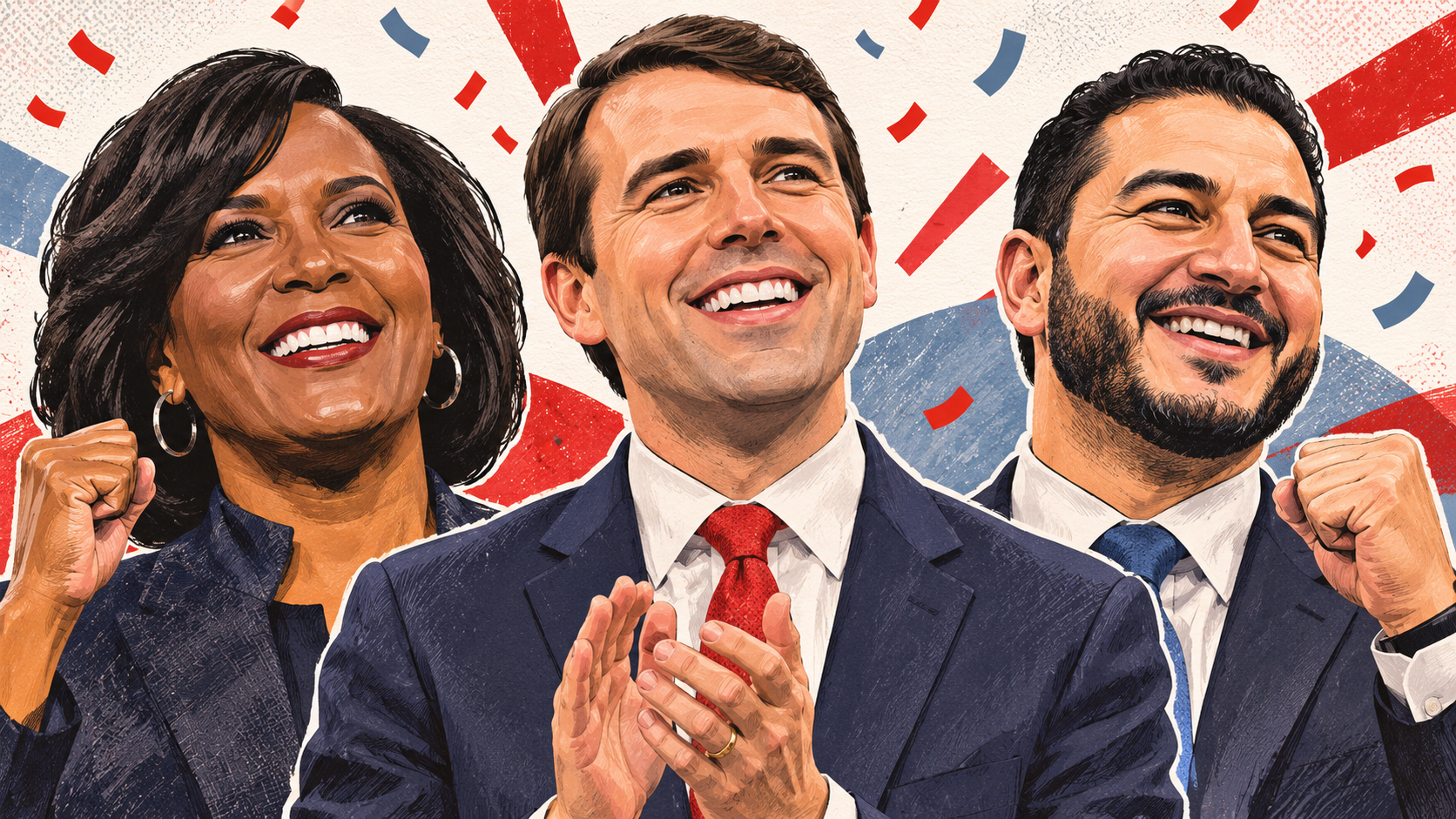
Midnight in Washington is a quiet, heavy hour when the marble hallways finally empty and the real work of politics begins. Phones glow on bedside tables across Capitol Hill, and whispers travel faster than any press release ever could. When news broke that Democratic Representative Haley Stevens had endorsed Republican Mike Rogers, effectively abandoning progressive contender Abdul El-Sayed, the shockwaves didn't just rattle Michigan's political establishment. They triggered an immediate, frantic scramble behind closed doors. At the center of those late-night phone calls was not a seasoned party boss or a cable news strategist, but a man many voters outside Metro Detroit had never heard of before.
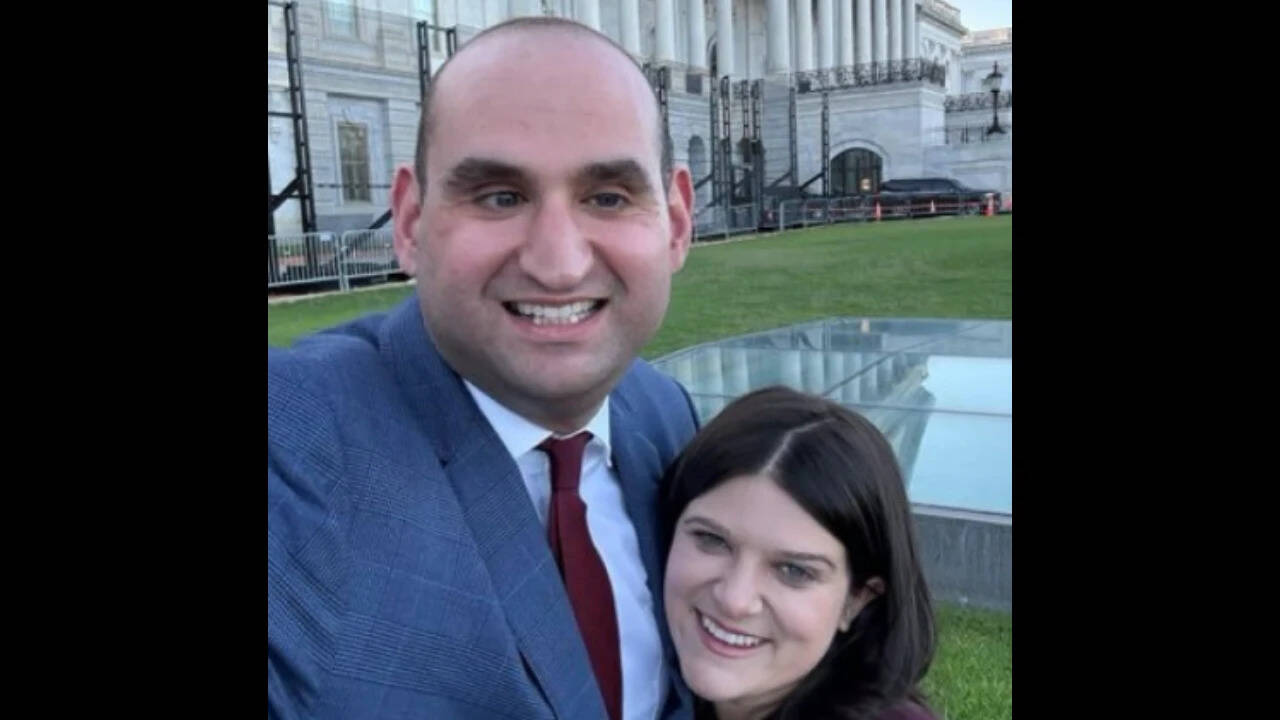
Jason Turkish.
To understand why a civil rights attorney was working the phones in the dead of night to manage the fallout of a historic cross-party endorsement, you have to look past the surface-level headlines. Political endorsements are usually choreographed dances, rehearsed weeks in advance with carefully vetted talking points and predictable reactions. This was different. According to political observers and insiders tracking the Michigan race, Stevens’ decision to back Rogers over El-Sayed shattered long-standing partisan norms, forcing her inner circle into immediate damage control. And when the storm hit, it was Turkish—her fiancé, confidant, and longtime legal advocate—who stepped into the breach to steady the ship.
Who Is the Man Holding the Line?
Before his name became attached to late-night political maneuvering, Jason Turkish built a career defined by courtroom battles and high-stakes advocacy. As the founder and managing partner of Nyman Turkish PC, a prominent law firm specializing in disability rights, Social Security claims, and civil litigation, Turkish spent years fighting systems that often overlook the vulnerable. Born with a rare genetic eye condition known as Stargardt disease, which causes progressive vision loss, he navigated law school and the upper echelons of legal practice while legally blind.
That lived reality shapes everything he does. Think of navigating a crowded, dimly lit room where everyone else can see the exits, relying entirely on memory, instinct, and sharp hearing to anticipate where someone might step next. That is how Turkish operates in both the courtroom and the political arena. While others get distracted by the visual theatrics of modern campaigning—the glossy ads, the viral clips, the cable news chyrons—he focuses on structure, leverage, and human relationships.
His involvement with Haley Stevens goes far beyond a simple romantic partnership. Having previously served as a presidential management fellow and worked within the federal government, Turkish understands the machinery of power from the inside out. When he and Stevens announced their engagement, Detroit political circles recognized it immediately as a pairing of two fiercely ambitious, deeply connected operators. Yet few realized just how central his role would become when the political ground beneath them suddenly shifted.
The Anatomy of a Political Earthquake
To feel the weight of those late-night phone calls, consider the sheer volatility of the moment. Michigan is not just another battleground state; it is the ultimate testing ground for the future of both major parties, a place where suburban moderates, union households, and progressive activists coexist in a fragile, high-stakes balance.
When Representative Stevens, a mainstream Democrat representing Oakland County, decided to throw her support behind Mike Rogers—a former Republican congressman and intelligence committee chair—rather than Abdul El-Sayed, the former Detroit health director and progressive standard-bearer, the reaction was instantaneous. For progressive Democrats, the move felt like an unthinkable betrayal of party solidarity. For Republicans, it was an unexpected validation that sent campaign aides scrambling to capitalize on the momentum.
Imagine being a local Democratic precinct captain in Royal Oak or Southfield, sitting at your kitchen table at eleven o'clock at night, watching your phone light up with angry texts from volunteers asking if the news alert on their screen is a typo. Now imagine being on the other end of that network, trying to explain the calculus before the narrative hardens into permanent political damage.
That was the exact environment Jason Turkish stepped into. Sources familiar with the outreach noted that Turkish began placing calls late into the evening, reaching out to allies, donors, and community leaders to contextualize Stevens’ decision and manage the emotional whiplash. It wasn't about reading from a sterile campaign script. It was personal, direct, and urgent.
Why Personal Loyalty Outweighs Party Script
In high-stakes politics, candidates rarely trust paid consultants when a crisis truly threatens their career. Consultants move on to the next cycle; spouses and partners live with the consequences long after the yard signs come down.
Turkish’s late-night outreach reveals an unspoken truth about how modern political survival actually works. When a politician makes a move that defies conventional partisan gravity, standard communication channels break down. Press secretaries can issue statements, and campaign managers can brief reporters, but neither can offer the kind of intimate reassurance that comes from the person who shares the candidate's life.
By picking up the phone himself, Turkish was signaling two things simultaneously to Michigan's power brokers:
- The decision was deliberate, not impulsive. A partner does not spend the night defending a strategic pivot unless that pivot was weighed thoroughly behind closed doors.
- The bridge was still open. Even among furious party loyalists, taking a call from the candidate's fiancé creates a human pause—a brief moment where anger gives way to curiosity and conversation.
Of course, critics and political opponents viewed the late-night calls through a far more skeptical lens. To detractors on the left, the outreach looked like an attempt to soften the blow of an endorsement that undermined progressive priorities and boosted a conservative rival. Some party insiders questioned whether any amount of personal diplomacy could repair the fracture caused by crossing party lines in such a high-profile contest.
The Invisible Stakes Behind the Curtain
What makes this episode linger in the memory of anyone who has watched political dramas unfold is not just the ideological clash between Mike Rogers and Abdul El-Sayed, or even Haley Stevens’ willingness to break ranks. It is the stark reminder that behind every public political shockwave lies a intensely private human toll.
Consider the sheer exhaustion of that night. While pundits debated the electoral math on television panels and social media timelines erupted into tribal warfare, one man sat with a phone pressed to his ear, dialing number after number, absorbing frustration, offering context, and trying to protect the woman he loves from the sharpest edges of political blowback.
Whether you view Stevens' endorsement as a bold act of pragmatic independence or a deeply miscalculated break from her own party, the role Jason Turkish played in its aftermath underscores a timeless reality of public life. Power is never exercised in a vacuum. Even in an era of big data, algorithmic targeting, and billion-dollar media buys, politics still comes down to a voice on the other end of the line at midnight, asking you to listen before you walk away.