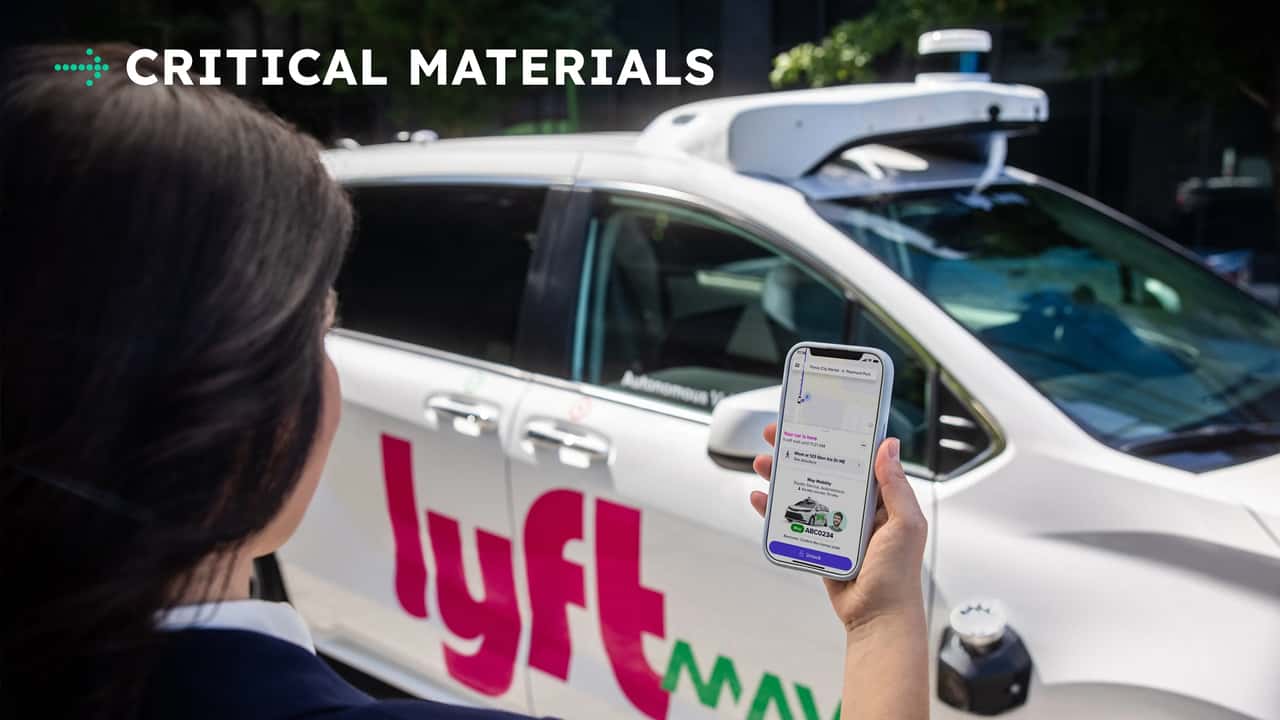
Parents have been doing the "unpaid Uber driver" routine for decades. You know the drill. You leave work early, sit in a school pickup line that moves at the speed of a tectonic plate, and then rush to soccer practice. For years, the major rideshare players told us this was the only way. If you were under 18, you weren't allowed in the car without an adult. Then Uber broke cover and launched teen accounts. Now, after watching from the sidelines for more than two years, Lyft has finally entered the fray.
It's about time.
Honestly, the delay felt strange. Lyft has always positioned itself as the friendlier, more community-focused alternative to Uber's corporate machine. Yet, they let their biggest rival own the "busy parent" demographic for an eternity. By launching teen accounts now, Lyft isn't just playing catch-up. They're trying to prove they can do safety better than the company that beat them to the punch.
How the new Lyft teen accounts actually work
If you're a parent, you don't care about corporate posturing. You care if your kid gets to track practice without you having to blow off a meeting. Lyft's new system allows parents to invite their teenagers (ages 13 to 17) to create a specialized account tied to the parent's main profile.
It isn't a free-for-all. You aren't just giving a 14-year-old a digital credit card and hoping for the best. The system has built-in guardrails that trigger automatically. When your teen requests a ride, you get a notification. You can see the driver's name, the car model, and—most importantly—the live GPS tracking.
Lyft also claims they're only using their "highly-rated" drivers for these trips. This is a bit of a marketing buzzword, but it essentially means drivers must pass a more rigorous screening process and maintain top-tier feedback to even see teen ride requests. If a driver has a history of cancellations or sketchy ratings, they're out.
Safety features that aren't just for show
We've all heard the horror stories. Safety is the biggest barrier for any parent considering this service. Lyft knows this, so they've baked in a few features that feel like genuine improvements over the standard "hail a ride" experience.
- Predictable Route Monitoring. If the car deviates from the expected route or stops for an unusually long time, the app pings both the teen and the parent. If nobody responds, Lyft’s safety team can jump in.
- PIN Verification. This is huge. Your kid can't just hop into a random black sedan. They have to provide a unique PIN to the driver before the ride even starts. It ensures they’re in the right car with the right person.
- Audio Recording. This one is controversial for some, but it’s an optional feature. The app can record the audio of the trip on the teen's phone. The file is encrypted, so the teen, the parent, and the driver can't listen to it. It only gets decrypted if a safety report is filed.
Some parents might find the audio recording a bit "Big Brother," but in a world where it’s one person's word against another's, it’s a solid insurance policy. It's better to have it and not need it.
Why it took Lyft so long to jump in
You might wonder why Lyft waited until 2024 to roll this out when Uber has been doing it since 2022. The answer usually comes down to insurance and litigation.
Ridesharing is a legal minefield. When you add minors to the mix, the liability spikes. Uber took the "move fast and break things" approach, absorbing the initial risks and refining their safety tech in real-time. Lyft, which has struggled with profitability more than Uber lately, likely couldn't afford a massive safety scandal or an insurance hike early on.
They waited until the market was "proven." They waited until parents were already comfortable with the idea of a teen in an Uber. It’s a classic "Second Mover Advantage" play. Lyft watched Uber’s mistakes, saw what features parents actually used, and then built their version.
The cost of convenience
Don't expect this to be cheaper than a standard ride. In fact, you should expect to pay a premium. Between the specialized driver vetting and the extra tech monitoring, these rides carry overhead. But for a parent stuck in an office while their kid is stranded at a closed library, five extra dollars is a bargain.
There's also the "trust" factor. Lyft drivers can opt-out of these rides. Not every driver wants the responsibility of transporting a minor. This means wait times might be slightly longer than a standard Lyft ride, especially in suburban areas where driver density is lower.
Setting it up the right way
If you're going to use this, don't just send the invite and walk away. Sit down with your teen. Explain the PIN system. Tell them why they should never get in the car if the driver's face doesn't match the app. Most importantly, make sure they know they can cancel the ride at any moment if they feel "off."
You can't automate parenting. Lyft is providing a tool, not a babysitter. Use the tracking features. Check the app when the notification pops up.
Open your Lyft app, go to your profile, and look for the "Family" or "Teen" section. If it isn't there yet, check for an app update. Start with a short trip—maybe to a friend's house nearby—before you rely on it for a cross-town sports commute. It's the best way to see if the system actually works for your family's needs.