The air in Cairo smells of dust, ancient river silt, and the heavy exhaust of a city swelling past its seams. Standing on the banks of the Nile at dusk, you can feel the weight of centuries pressing against the water. This is a place that has watched empires rise, crumble, and turn to sand. Alexander marched here. Napoleon mapped its secrets. British gunboats patrolled these very currents.
History here is never a dead thing. It breathes.
And today, it is inhaling a new wind blowing from the East.
Consider a hypothetical merchant sitting in a dusty storefront in the Khan el-Khalili bazaar, watching trucks rumble past carrying steel and electronics stamped with Chinese characters. He might not know the exact trade figures, and he certainly doesn't care about diplomatic communiqués issued thousands of miles away in Beijing. But he feels the shift. The currency in his pocket reacts to it. The prices on his invoices adjust to it. A quiet gravity is pulling the center of the world's attention away from Western capitals and anchoring it firmly in the sands of the Middle East.
When President Xi Jinping steps off a plane onto Egyptian tarmac, it is not merely a diplomatic stopover. It is the physical manifestation of a strategy decades in the making.
We often talk about geopolitics as if it were a game of chess played by emotionless robots in sterile boardrooms. We look at dry Reuters dispatches—trade volumes, infrastructure investments, bilateral agreements—and we nod, pretending we understand the mechanics. We miss the humanity of it. We miss the sweat of the laborers pouring concrete for a new administrative capital rising ghost-like out of the desert east of Cairo. We miss the quiet anxiety of local leaders calculating whether this new eastern partner offers true liberation from old dependencies or merely a different master.
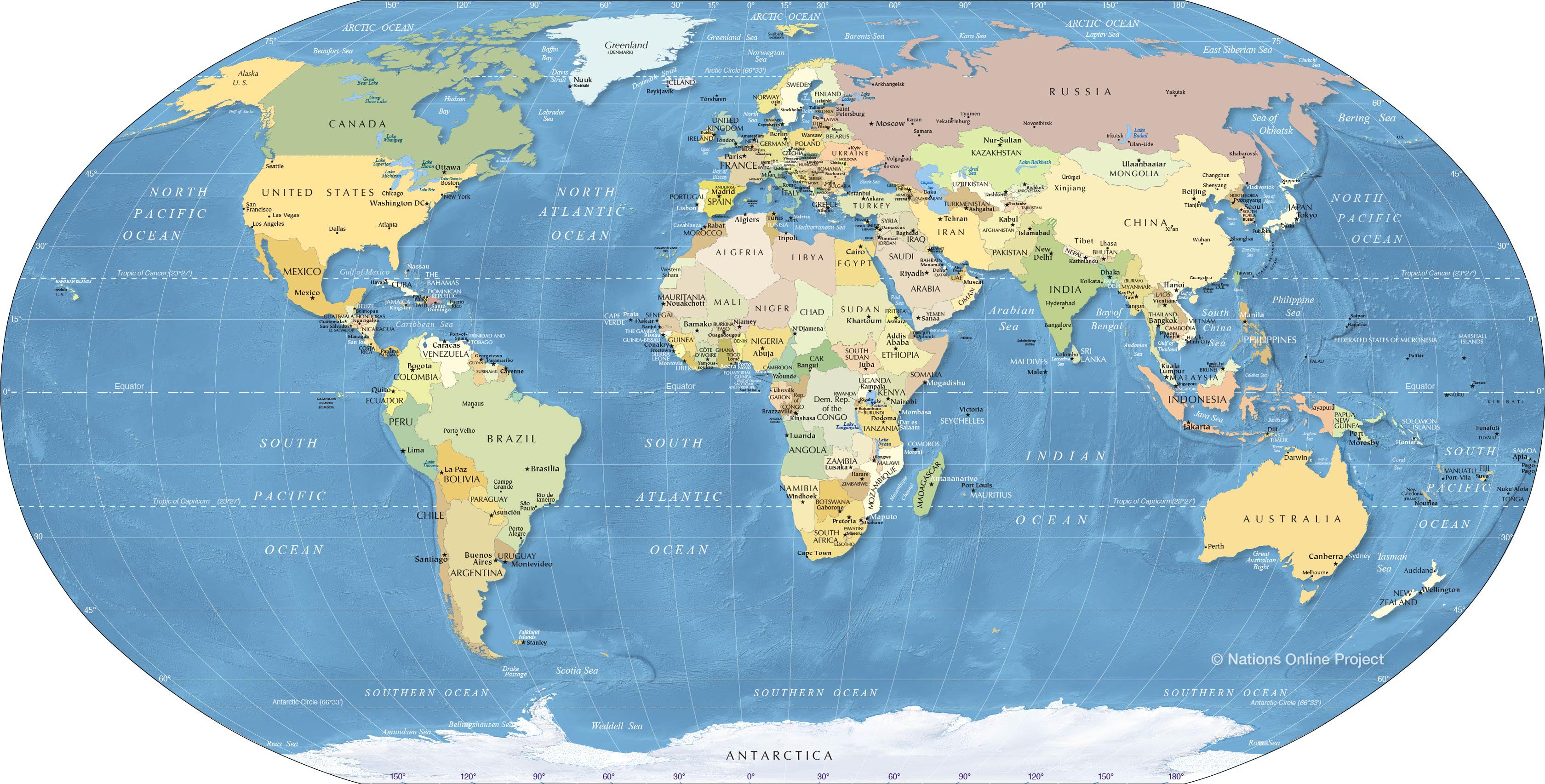
To understand why Beijing is pouring billions into Middle Eastern soil, you have to look at the map through the eyes of a nation that imports millions of barrels of oil every single day.
Energy security is an obsession. If the arteries of maritime trade choke, factories in Shenzhen go dark. If the Suez Canal stalls, the economic engine of a superpower stutters. For Beijing, the Middle East is not a distant theater of ideological competition. It is a lifeline.
Imagine standing on the deck of a container ship navigating the narrow, bottlenecked waters of the Red Sea. Look left. Look right. You see the jagged coastline of a region perpetually caught in the crossfire of history. Every mile of water represents vulnerability. By building deep-water ports, securing digital infrastructure contracts, and financing massive industrial zones along the Suez corridor, Beijing is doing something remarkably simple: wrapping safety blankets around its supply chains.
Influence follows concrete.
This is where the traditional Western narrative often falters. For decades, the script written in Washington and European capitals assumed that engagement in the Middle East required a moral crusade—a package deal of governance lectures, security umbrellas, and conditional aid.
Beijing arrived with a different ledger.
No lectures. No conditions. Just money, machinery, and a quiet promise of mutual non-interference.
To a government in Cairo wrestling with soaring inflation, a ballooning population, and the desperate need for jobs, that pitch has an undeniable magnetism. When roads are crumbling and youth unemployment threatens social stability, abstract debates about democratic norms feel like luxuries for the wealthy. People need bridges. People need power plants. People need bread.
And so the concrete pours.
Walk through the construction sites of Egypt's New Administrative Capital, a sprawling metropolis rising from the empty dust forty-five kilometers east of the old city. It is staggering in scale. Towering skyscrapers pierce the hazy sky, built with financing and engineering muscle that spans continents. Local workers share tea with foreign technicians, communicating through a chaotic blend of fractured English, hand gestures, and shared smiles.
In these moments, geopolitics becomes intensely human. It is found in the shared cigarette during a break, the shared frustration over a delayed shipment of steel, the quiet pride of watching a skyscraper floor rise into the blinding sun.
Yet, beneath the optimism runs a deep current of caution.
No one here is naive. Egyptians know that empires do not invest out of charity. Every crane, every railway line, every fiber-optic cable comes with a tether. The critical question whispered in back rooms across Cairo, Riyadh, and Abu Dhabi is not whether this new partnership brings immediate relief, but what happens when the bills come due.
History teaches us that no foreign power offers something for nothing. The British left behind railways and a tangled legal system that took a century to untangle. The Americans left behind decades of military alignment and economic dependency. Now, a new chapter opens, written in the pragmatic prose of trade deficits, sovereign debt, and technological integration.
We are watching a slow-motion realignment of the global tectonic plates.
The Western monopoly on Middle Eastern partnership is fracturing. Not with a sudden explosion, but with the steady, rhythmic thrum of heavy machinery and the signing of long-term commercial pacts that bind economies together decade by decade.
When the sun sets over the Nile, painting the felucca sails in shades of bruised purple and gold, the city settles into its eternal rhythm. The call to prayer echoes from a thousand minarets, cutting through the roar of modern traffic. Down below, the dark water keeps moving, indifferent to the grand designs of distant capitals.
The dragon has arrived in the desert, not breathing fire, but carrying blueprints, ledgers, and an unshakeable patience. And the ancient sands are shifting to make room.