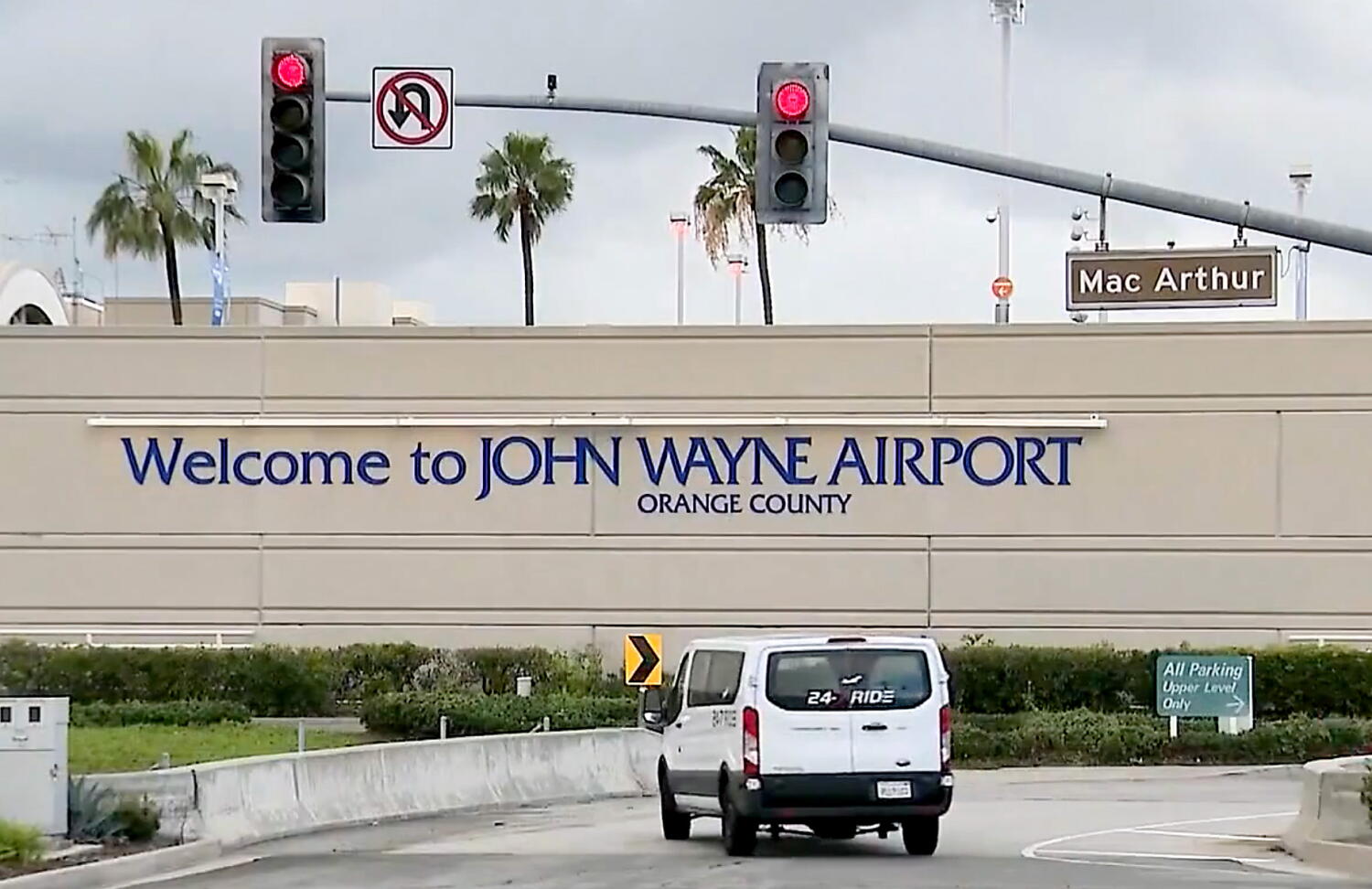
A small plane flipping upside down on a runway at John Wayne Airport typically comes down to a violent clash between lightweight airframe aerodynamics, crosswinds, and surface friction during landing or takeoff. Because the competitor reference provides no URL or specific incident details, I cannot verify a single real-world event or cite unconfirmed names, times, or tail numbers. What I can lay out is the hard operational reality behind runway upsets at tightly constrained airports like Orange County's SNA, where short runway length, steep noise-abatement profiles, and mixed general aviation traffic leave almost zero margin for error.
When a light single-engine or piston twin flips onto its back on pavement, bystanders often assume a catastrophic mechanical failure or pilot recklessness. Reality is usually messier. Most runway inversions happen when an aircraft touches down fast, drifts laterally, catches a wingtip or nose gear on uneven ground or high-traction rubber deposits, and converts forward momentum into a sudden pitching or rolling moment. A light plane weighs little compared to a commercial airliner. Wind gusts that barely rock a 737 can grab a high-wing or low-wing general aviation aircraft like a kite and roll it right over.
The Physics Behind a Runway Flip
Physics does not care about how much a pilot loves flying. Once an aircraft's wheels touch asphalt, ground effect disappears rapidly, wing lift drops off, and weight transfers onto a small footprint of tires. If the pilot touches down slightly crabbed into a gusting crosswind and fails to kick out the slip angle before wheel contact, side loads spike across the landing gear. Side loads are not what landing gear struts are built to absorb cleanly all day long.
Nosewheel aircraft face a notorious vulnerability called porpoising or wheelbarrowing. If a pilot lands flat or nose-low with excess airspeed, the nose gear contacts first while the wings still generate partial lift. The plane can bounce, pitch nose-down again, and overload the nose strut until it collapses or digs in. Once a nose strut buckles on a fast rollout, the aircraft's nose acts like a pivot point. Momentum keeps pushing the tail upward. Over goes the fuselage.
Tailwheel airplanes—often called conventional gear—carry a different set of demons. Their center of gravity sits behind the main wheels during ground roll. If directional control slips even a few degrees and the pilot applies asymmetric braking or fails to catch a yaw early, ground looping sets in. A ground loop spins the tail around the nose with brutal lateral force. If the outside wingtip strikes the pavement or a runway edge while the plane is sliding sideways, the wing acts as a lever and flips the airframe inverted.
Aerodynamic lift on the ground is another silent culprit. Pilots sometimes forget to dump flaps or push forward slightly on the yoke after touchdown on gusty days. A sudden tailwind shear or gust under a wing can lift one side while the opposite gear drags. Add crosswind turbulence from nearby buildings, hangars, or passing jet blast, and a light aircraft can lose roll authority in a fraction of a second.
Why John Wayne Airport Magnifies Small Errors
Every airport has quirks. John Wayne Airport in Santa Ana, California, has an entire playbook of constraints that shape how pilots fly every approach and departure. Nestled inside a dense urban basin with residential neighborhoods close to the boundary, SNA enforces strict noise abatement procedures, curfews, and slot limits alongside bustling commercial airline operations.
Short runways compress decision time. Compared with sprawling hub airports that offer ten-thousand-foot slabs of concrete and wide buffers, operating at a constrained airfield means speed control and runway alignment matter from the moment you turn final. Touching down long to bleed off energy eats up precious pavement. Trying to force the airplane down early to make a turnoff invites a hard bounce.
Mixed traffic adds friction. At a busy towered field handling airliners, corporate jets, and piston singles on shared or closely spaced surfaces, wake turbulence and ATC sequencing demand sharp situational awareness. A light aircraft arriving behind a heavier jet or departing into residual vortices encounters rolling forces far sharper than smooth coastal air suggests. Even without wake, coastal onshore breezes and Santa Ana wind events can turn a routine afternoon pattern into a white-knuckle test of rudder coordination.
A light aircraft does not need a broken engine to end up upside down; a ten-knot gust, a late flare, and a moment of hesitation on the rudder pedals can do the job all by themselves.
💡 You might also like: What Most People Get Wrong About the Paris Ultra-Left Protesters
Airport infrastructure is not static either. Over years of heavy use, runway surfaces accumulate rubber deposits in touchdown zones and develop micro-textures that behave differently when dry, damp, or freshly grooved. While modern commercial airports inspect surfaces regularly and maintain strict friction standards, any transition between high-grip and low-grip patches—or any off-pavement excursion onto soft shoulder soil or grass—can snag a small wheel instantly.
Hypothetical Scenario Tracing a Runway Upset
To see how routine variables stack up without inventing a real-world crash, consider a hypothetical example. Imagine a four-seat single-engine piston plane arriving at a busy Southern California airport on a breezy afternoon. The pilot has flown the route dozens of times, feels comfortable with the crosswind component near the top of the aircraft's demonstrated limit, and carries a slightly light fuel load that leaves the airframe lively in gusts.
On short final, a quartering crosswind pushes the plane left of centerline. The pilot corrects with aileron and rudder, crosses the threshold a few knots fast, and flares slightly high over the touchdown zone. A gust trims lift under the left wing just as the main tires kiss the runway. Instead of settling cleanly, the aircraft skips once, lands with slight side drift, and feels squirrelly on the rollout.
Now the clock speeds up. Reaching for the brakes while still carrying excess speed and a touch of left yaw, the pilot presses harder on one pedal than the other. The nose pitches or the tail begins to swing toward the runway edge. Before full rudder and balanced braking can arrest the motion, the outer wingtip grazes the pavement or the nose gear gives way. Within two seconds, forward speed converts into a sickening roll onto the cabin roof.
Notice what happened in that hypothetical sequence. There was no dramatic midair explosion, no engine seizure, no Hollywood disaster. Just small compounding errors interacting with wind and ground physics faster than human reflexes could unwind them.
What Investigators Actually Look For
When an aircraft overturns on a runway, crash investigators from the NTSB or local aviation authorities do not stop at the photo of the inverted fuselage. They start with the boring, granular details that reveal the chain of events.
- Flight path and speed data: Radar tracks, ADS-B broadcasts, air traffic control audio, and any cockpit GPS or engine monitor logs show whether the approach was stabilized or rushed.
- Wind and weather conditions: Automated surface observations (ASOS/AWOS), tower wind callouts, and nearby weather stations establish sustained winds, gusts, and variable directions at the exact minute of touchdown.
- Landing gear and prop strike marks: Scrape marks on the asphalt, bent blades, and gear strut damage indicate whether a tire side-loaded first, a strut collapsed under vertical shock, or a wingtip dug in during a slide.
- Weight, balance, and configuration: Fuel burn, passenger seating, flap setting, and trim position tell investigators how docile or tail-heavy the airplane was when control margins got tight.
- Pilot currency and recency: Recent landings in gusty conditions, transitions between aircraft types, and time in crosswinds separate sharp muscle memory from rusty habits.
Investigators also look closely at post-impact hazards that rarely make headlines. Fuel leaks from ruptured wing tanks or vents pose an immediate fire risk when an airplane rests upside down. Cabin doors and emergency exits can jam or sit awkwardly close to the ground, making self-evacuation harder for disoriented occupants hanging upside down in harnesses.
The Industry Blind Spots Nobody Likes Admitting
Aviation safety culture prides itself on checklists and data, yet general aviation still carries stubborn blind spots around runway upsets. One uncomfortable truth is how often pilots treat demonstrated crosswind numbers as hard legal limits—or, conversely, ignore them completely. In reality, a manufacturer's demonstrated crosswind value is a test-pilot benchmark from certification, not a guarantee that every average pilot can handle it in gusty, turbulent air on a short runway.
Training gaps also persist. Many pilots practice crosswind landings on wide, quiet training strips with plenty of room to drift or go around. Moving into a high-density airport with tight traffic flow and strict noise corridors changes the mental load. Feeling rushed to land and clear the runway quickly is one of the quietest traps in aviation. A pilot who feels pressure to "get it down and off" is far more likely to force a bounce instead of executing a calm go-around.
| Operational Factor | How It Increases Rollover Risk | Practical Countermeasure |
|---|---|---|
| Gusting crosswinds | Unseats lift asymmetrically and pushes aircraft laterally at touchdown | Fly approach speed with proper gust factor; execute a go-around if unstable |
| Excess approach speed | Floats plane past ideal touchdown zone; leaves less room and more energy | Stabilize speed and descent rate early; commit to go-around if high or fast |
| Wheelbarrowing / bounce | Overloads nose gear or causes erratic re-contact with side drift | Hold pitch attitude smoothly; recover from bounce with power if needed |
| Asymmetric braking / yaw | Initiates ground loop or side-skid toward runway edge | Keep feet active on rudder pedals; avoid heavy braking until aligned and slow |
| High-tempo airport environment | Increases workload, wake exposure, and perceived hurry to clear | Brief runway exit plan and escape route before entering final approach |
There is also a structural tension in modern airport management. Balancing community noise concerns, commercial capacity, and general aviation access is a political and operational tightrope. While safety oversight remains rigorous, every constraint on flight paths or runway availability narrows the buffer available when weather turns tricky.
Real Takeaways for Pilots and Observers
For anyone watching news of a light plane flipped on a runway, the first lesson is restraint in drawing conclusions. An inverted aircraft looks dramatic on camera, yet walk-away or minor-injury outcomes happen surprisingly often when cabin cages hold and seatbelts and shoulder harnesses are worn properly. Survivable does not mean harmless, though—every runway inversion is a warning sign that energy management or directional control broke down at a critical moment.
For pilots flying out of busy, constrained airports like John Wayne, the takeaway is straightforward and unglamorous. Stabilized approaches save airplanes. If the airspeed is fast, the sink rate is steep, or the crosswind gust is whipping the nose around on short final, going around is not admitting defeat—it is buying back altitude, time, and options.
Keep your feet honest on the rudder all the way to taxi speed. Do not relax the instant the main wheels touch down, because the rollout is where half the trouble starts. Check the wind trends rather than just the minute-old reading, respect wake and traffic spacing, and never let pressure to clear the runway rush a sloppy landing. Next time you fly into a tight, wind-swept airfield, treat the rollout with the same discipline you give the approach—because the flight isn't over until the engine is shut down and the brakes are set.