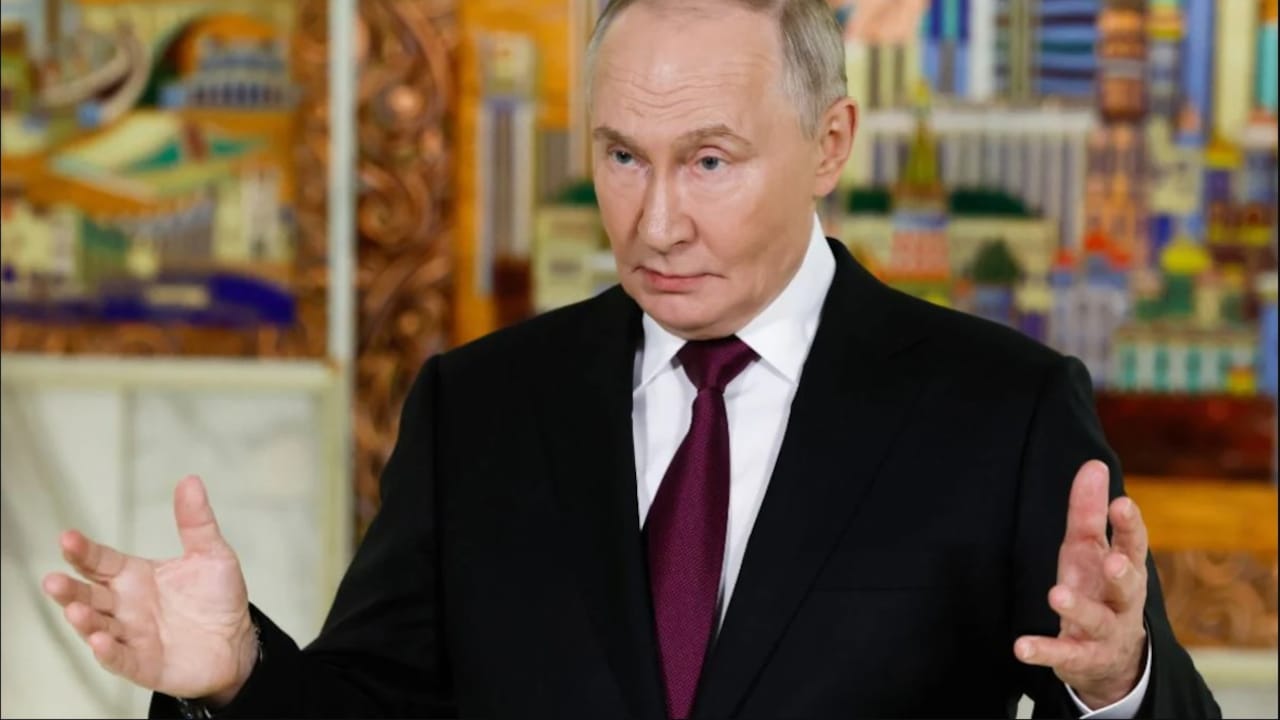
Vladimir Putin recently dismissed Russia’s internal fuel shortages as a minor, temporary hitch rather than a systemic crisis. This public posturing coincides with intensified military operations in Ukraine, designed to project an image of uninterrupted economic and military might. The reality on the ground contradicts this narrative. Localized fuel deficits, sudden price spikes at the pump, and emergency government interventions reveal a domestic refining sector buckling under the dual pressures of Western sanctions, Ukrainian drone strikes, and the insatiable appetite of the Russian military.
Russia is not running out of crude oil, but it is struggling to turn that crude into usable gasoline and diesel where it is needed most.
The Logistics of a Coiled Spring
Refining crude oil requires complex, high-pressure infrastructure. For decades, Russian refineries relied heavily on Western technology, specialized catalysts, and European software to maintain peak efficiency. When sanctions choked off the supply of these proprietary components, maintenance schedules began to slip.
Then came the drone campaign.
Ukrainian strikes targeted the vulnerabilities of Russia’s energy infrastructure: the distillation columns. Repairing these massive, highly engineered units requires specific metallurgical components that Russia cannot easily replicate or import through gray market channels. When a single distillation column at a facility like the Norsi refinery goes offline, a significant percentage of national fuel production vanishes overnight.
The Kremlin’s immediate response was a series of chaotic export bans designed to keep fuel within domestic borders. While this temporarily suppressed wholesale prices, it created a secondary logistical bottleneck. Russia’s storage infrastructure is finite. When refineries cannot export surplus heavy fuel oils or specific distillates, the entire production chain backs up, forcing facilities to reduce their overall crude processing capacity.
The Military Priority
The Russian military enjoys absolute priority access to the country's fuel reserves. Every echelon of the armed forces, from logistics trucks to armored columns in eastern Ukraine, consumes diesel at an astronomical rate.
- Direct requisitioning: The Ministry of Defense bypasses commercial markets entirely, pulling fuel directly from major state-owned refiners like Rosneft.
- Rail network gridlock: The Russian railway system, the lifeblood of the domestic fuel distribution network, is severely congested. Military transport trains carrying troops, ammunition, and heavy equipment take precedence over civilian freight cars.
- Regional starvation: Civilian gas stations in agricultural hubs like Rostov, Krasnodar, and Stavropol frequently run dry because fuel tankers cannot secure rail slots.
This creates a geographical mismatch. Crude oil sits in western Siberia, while the refined product is desperately needed in the southern agricultural belts and the western border regions. The infrastructure simply cannot bridge the gap efficiently under wartime constraints.
The Agricultural Crisis and the Inflation Threat
The timing of these fuel crunches introduces a dangerous variable into Russia’s internal stability. Agriculture requires immense quantities of diesel during the planting and harvesting seasons. When regional depots run dry, tractors sit idle.
Farmers cannot afford to wait for logistical bottlenecks to clear. To secure fuel, agricultural enterprises are forced to buy from independent wholesalers at highly inflated black-market rates. These increased operational costs inevitably flow down to the consumer, driving up the price of basic foodstuffs like bread, dairy, and meat.
[Crude Production] -> [Refining Bottlenecks] -> [Military Requisition] -> [Civilian/Ag Shortages] -> [Food Inflation]
The Central Bank of Russia faces a precarious balancing act. To combat the inflationary pressures exacerbated by fuel shortages and massive military spending, the bank has repeatedly raised its benchmark interest rate to restrictive levels. High borrowing costs squeeze the non-military sector of the economy, making it difficult for small and medium-sized businesses to survive, let alone expand.
The Failure of Gray Market Countermeasures
Moscow has attempted to mitigate the technology deficit through a web of front companies and parallel import schemes operating through third-party nations. Components are routed through complex supply chains spanning Central Asia and the Middle East before finally arriving at Russian ports.
This approach is slow and expensive. A replacement valve or control sensor that once took days to acquire from Germany now takes months to arrive via illicit channels, often at quadruple the original price. Furthermore, these piecemeal components frequently lack the software integration required to operate seamlessly with existing Western-designed refinery automation systems.
Independent operators of Russian refineries face a stark choice. They can run equipment past its recommended service life, risking catastrophic industrial accidents, or they can throttle production to preserve the longevity of their remaining functional machinery. Both options reduce the aggregate supply of fuel available to the civilian economy.
The Precedent of Total Mobilization
Historically, authoritarian regimes facing prolonged conflict eventually resort to direct command-economy measures. The Kremlin has already implemented laws that allow the government to compel private enterprises to accept defense contracts and dictate production outputs.
If localized fuel shortages threaten the autumn harvest or spark widespread public discontent in major urban centers, the next step is overt rationing. This would involve capping the amount of fuel civilian consumers can purchase and strictly prioritizing state-sanctioned industries. Such a move would destroy the remaining illusions of normalcy that the Kremlin has worked meticulously to maintain within Russia's borders.
The structural decay of Russia’s refining capacity cannot be resolved by executive decrees or optimistic press conferences. Every month the conflict continues, the technical debt within the energy sector compounds, drawing resources away from civilian life to feed the front lines.