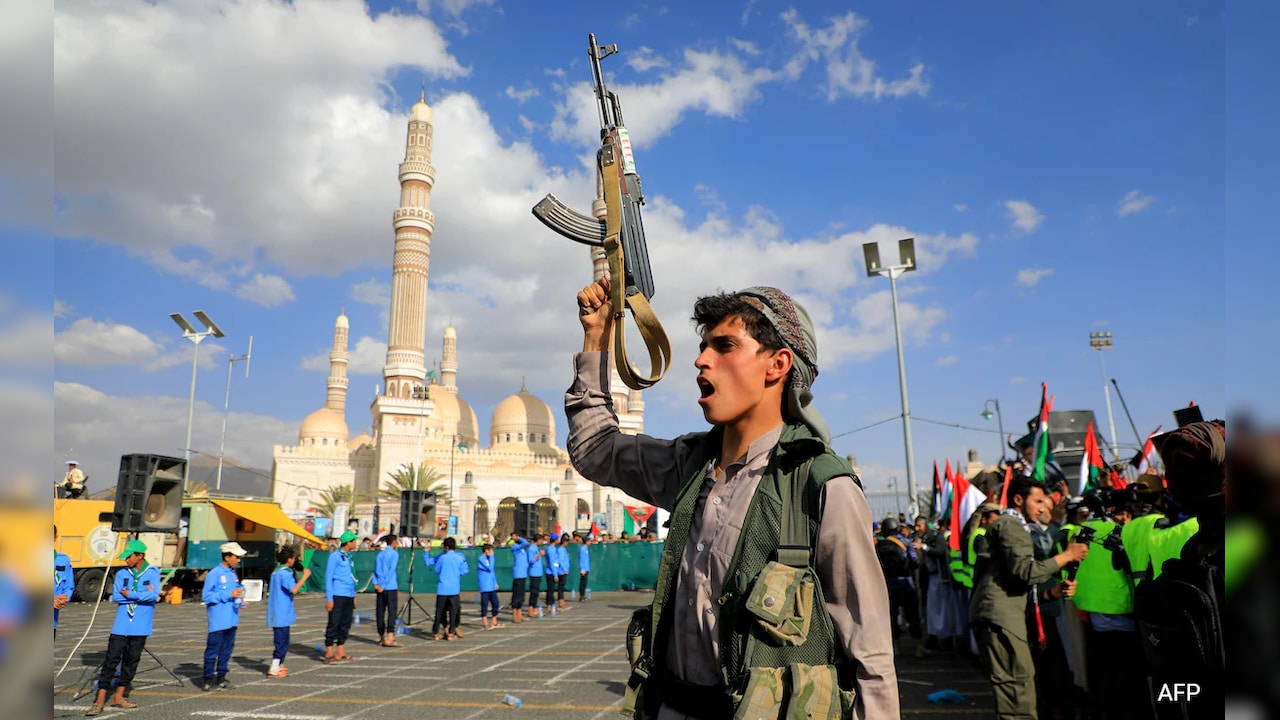
We love declaring things dead. Analysts spend hours on television sets proclaiming the total destruction of militant networks, only to watch those exact groups reconstitute themselves a few months later. When looking at Iran's regional network—often called the Axis of Resistance—observers frequently swing between two extremes. They either view Tehran's allied forces as an unstoppable, monolithic force or dismiss them as permanently shattered after a round of military strikes.
The reality on the ground is far messier. Hamas, Hezbollah, and other aligned actors have taken staggering hits over the past few years, losing senior commanders, infrastructure, and crucial supply lines. Yet, reports of their complete demise are wildly exaggerated. Understanding how these organizations manage to crawl out of the rubble requires looking past the daily headlines and examining the structural mechanics of proxy warfare.
The Myth of Permanent Decimation
Military operations can destroy concrete bunkers and eliminate top-tier leadership, but they struggle to erase the underlying conditions that allow non-state armed groups to thrive. When Hezbollah faced intense military pressure and leadership decapitations, many assumed the organization was finished. Similarly, the immense destruction in Gaza led many to write off Hamas as a functional military entity.
Organizations like these don't operate like conventional national armies. They function more like decentralized insurgent networks embedded deeply within local populations. Even when supply corridors shift—such as the massive disruption caused by the political changes and the fall of the Assad government in Syria, which historically served as a vital transit route for weapons and funding from Tehran—these groups adapt. They find alternative smuggling routes, manufacture weapons locally, and rely on deeply entrenched social support systems that money and bombs cannot easily sweep away.
Local Grievances Outlast Military Strikes
Why do these groups keep finding recruits even after catastrophic losses? The answer lies in governance, ideology, and local survival. In places where central states are weak, corrupt, or fractured, groups backed by Iran often fill the vacuum. They provide social services, financial aid, and a sense of localized security that official governments fail to deliver.
When a civilian loses their home or livelihood during a conflict, abstract geopolitical arguments about international law or Iranian influence matter very little. Immediate survival matters a lot. This dynamic creates a continuous cycle. Military campaigns aimed at neutralizing proxies often inflict widespread collateral damage, which in turn radicalizes a new generation and provides these organizations with a steady stream of willing members. Tehran provides the cash, the training, and the advanced hardware, but local grievances supply the human fuel.
The Limits of External Pressure
Governments trying to counter this network usually rely on two primary tools: intense military action and heavy economic sanctions. While these measures certainly constrain Iran's ability to finance its allies freely, they have notable limits. Economic isolation under various sweeping sanctions regimes has forced Tehran to economize, but it hasn't stopped the flow of asymmetric assistance entirely.
Furthermore, relying solely on kinetic solutions creates a dangerous illusion of permanent victory. A ceasefire or a degraded military capability is often mistaken for a final political settlement. Without addressing the root political fractures in Lebanon, Gaza, Yemen, and Iraq, any tactical victory remains temporary. The network bends, fragments, and adjusts its tactics, waiting for an opening to resurface.
The idea that Iran's proxy model can be neatly dismantled through a single military campaign ignores how these adaptive networks actually function. They are resilient because they are decentralized, deeply embedded in local social fabrics, and fueled by persistent regional instability. Until policymakers focus as much energy on building stable, legitimate governance as they do on military attrition, the cycle of resurgence will simply repeat itself.