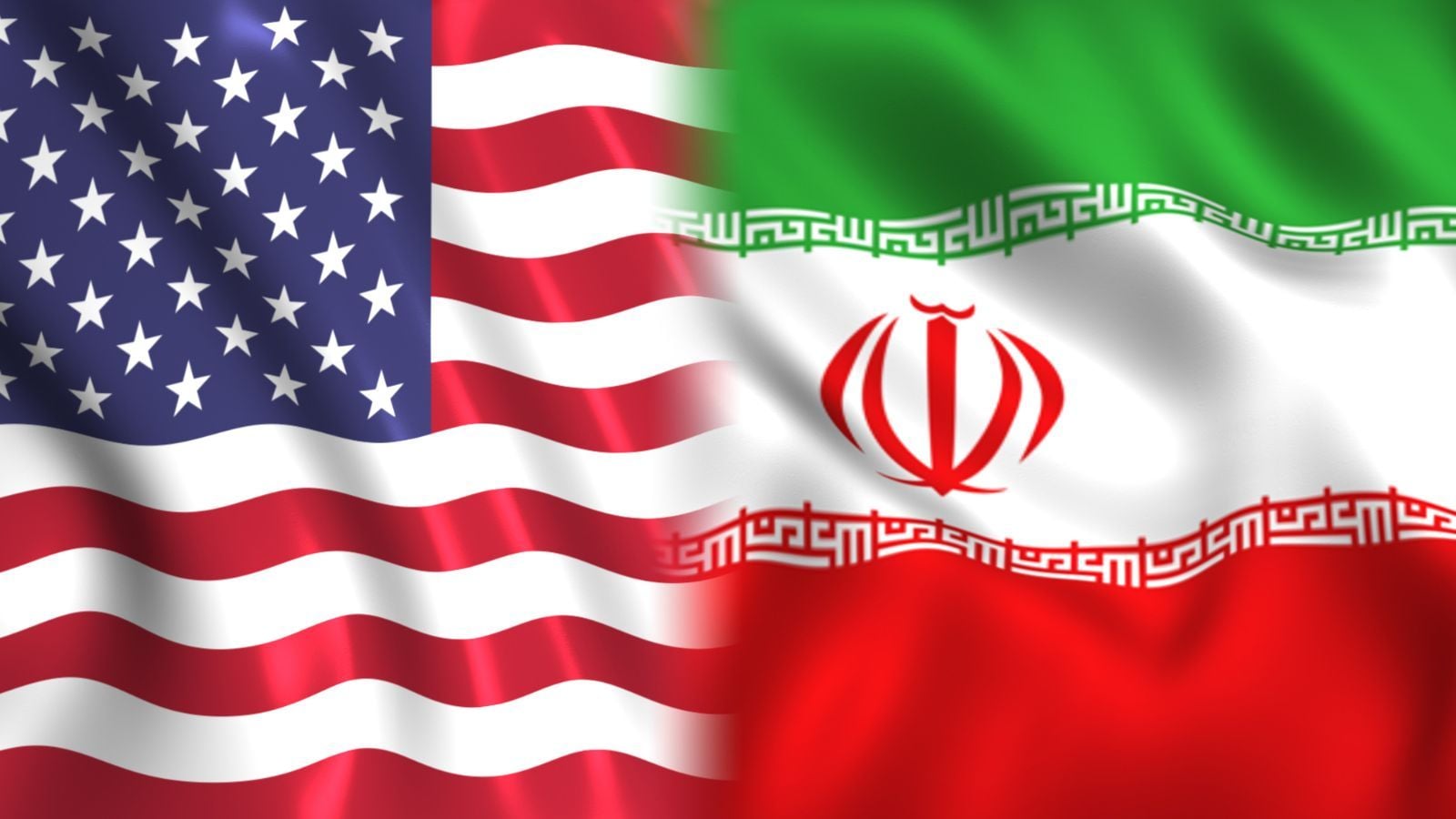
Geopolitical posturing at the United Nations often sounds like a broken record, but every so often, the rhetoric hits a raw nerve. Ahead of high-level UN General Assembly sessions, Tehran didn't just push back against White House critiques—it turned the magnifying glass right back around. The core argument coming out of Iranian diplomatic channels is blunt: the very accusations leveled by Washington describe actions the United States itself initiated.
If you look past the usual diplomatic pleasantries, this clash exposes a fundamental battle over who writes the rules of global conflict. Let's break down what's actually happening behind closed doors and why this rhetorical sparring match matters for regional stability.
The Battle of Narratives Ahead of the UN
When Western leadership accuses Tehran of destabilizing the Middle East, sponsoring proxy groups, or threatening maritime trade routes, they're playing to a well-established script. But Iranian Foreign Ministry spokespersons, including Esmaeil Baqaei, have pointedly argued that Washington's narratives are designed to obscure its own track record of intervention.
From Tehran's perspective, decades of economic sanctions, military encirclement, and covert operations represent an ongoing campaign of aggression. When Washington points fingers at Iranian reactions, Tehran argues that the U.S. is complaining about the fire after pouring the gasoline.
Diplomatic standoffs at the UN frequently boil down to a simple question of sequence: Who started it?
- The U.S. stance: Washington frames its posture as defensive, reacting to regional disruptions, maritime threats, and past escalations dating back decades.
- The Iranian stance: Tehran counters that American military footprints in the Gulf, combined with crippling economic blockades, constitute a continuous war aimed at regime change.
Digging Into the Root Causes
You can't understand the current diplomatic freeze by looking only at today's headlines. The mutual distrust runs deep. For years, Iranian officials have pointed out that Western powers often weaponize international law selectively. When maritime blockades or military strikes are executed by Western coalitions, they're framed as security enforcement. When targeted nations respond, they're labeled as reckless aggressors.
This double standard is precisely what Iranian diplomats highlighted at the UN Security Council. By casting themselves as victims of regional chaos, Western nations conveniently sidestep their own historical footprints in the region—from past regime overthrows to modern economic warfare that targets civilian populations through stringent sanctions.
Why Diplomacy Keeps Stalling
Despite regular speeches about keeping the door open for talks, tangible breakthroughs remain rare. Why? Because the baseline assumptions of both sides are totally incompatible.
Washington demands structural concessions and an end to regional projection before easing the economic chokehold. Tehran views those very demands as an infringement on sovereignty and insists it won't negotiate under duress or while under siege. Until both sides agree on a shared baseline of reality—or at least stop talking past each other—UNGA speeches will remain theatrical battlegrounds rather than pathways to peace.
Keep an eye on how international bodies respond to these competing claims. The real test won't be what diplomats say at the podium, but whether backchannel talks can survive the fierce rhetoric on the global stage.