The salt always hits the back of your throat first. Then comes the heavy, humid air that clings to your skin like a wet wool blanket, and finally, the rhythmic roar of the waves pulling back the gray-brown sand. To millions of travelers, that stretch of coastline represents freedom. It is the place where school schedules dissolve, where work emails stop blinking, and where families trade concrete for the open horizon.
Except the water is changing.
It looks the same. It feels warm—almost too warm, wrapping around your ankles like bathwater in the dead of July. But beneath that deceptive tranquility, microscopic shifts are occurring.
Consider a hypothetical beachgoer named Marcus. Let us call him a weekend regular, someone who knows the tides by heart and treats a small scrape from a surfboard fin as nothing more than a badge of honor. Marcus wades into the shallow surf, the sun beating down on his shoulders, entirely unaware of what thrives in the rising temperatures of the shallow Gulf.
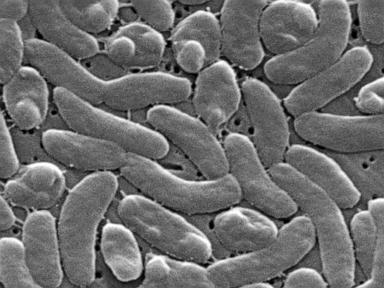
The organism living in that water has a scientific name that sounds heavy and clinical. Vibrio vulnificus. Public health officials call it a flesh-eating bacterium, though that dramatic title misses the insidious nature of how it operates. It does not wait in the deep ocean for unsuspecting swimmers. It thrives in brackish, warm estuaries and shallow coastal waters, multiplying exponentially as the thermometer climbs.
When summer temperatures push water past twenty degrees Celsius, these naturally occurring bacteria enter a metabolic boom. They do not care about your vacation plans. They do not care that you drove eight hours to reach this exact stretch of paradise.
The mechanism is deceptively simple. The bacteria enter through a break in the skin—a scraped knee, a fresh tattoo, a recent piercing, or even a microscopic hangnail. For most people with healthy immune systems, the body mounts a swift defense, resulting in mild irritation or localized swelling.
But for someone with an underlying vulnerability—perhaps chronic liver disease, diabetes, or a weakened immune system—the story changes entirely.
Within hours, a dull ache in a minor cut transforms into a throbbing, relentless fire. The skin changes color, turning a mottled, angry purple as the infection races along the tissue planes beneath the surface. This is necrotizing fasciitis, a condition where the body's soft tissue dies at an alarming rate.
Health advisories roll out across news networks every summer, warning beachgoers to stay out of the water if they have open wounds. They speak in percentages, case counts, and epidemiological data.
Statistics do not bleed.
The numbers tell us that infections spike during the warmest months, clustering tightly around coastal regions where the water stays bath-like for weeks on end. Climate patterns play a direct role here. As global sea surface temperatures creep upward year after year, the geographic window for these bacteria widens. Waters that used to be safely cool in late spring now mimic mid-summer conditions months ahead of schedule.
Yet, fear is a poor teacher. Telling people never to touch the ocean again is neither practical nor effective. The ocean is part of the cultural fabric of the American South. Instead, safety requires a fundamental shift in how we perceive natural bodies of water.
The ocean is not a sanitized swimming pool. It is a living, shifting ecosystem.
When health officials issue warnings, they are not trying to ruin a holiday. They are acknowledging a biological reality. If you have a compromised immune system, or if your liver processes toxins differently due to conditions like cirrhosis or hepatitis, the stakes change entirely. For that specific population, eating raw oysters harvested from warm waters or wading into the surf with an open scratch can trigger a systemic cascade that overwhelms modern medicine in a matter of days.
Time becomes the ultimate currency.
If treatment begins within the first few hours of symptom onset, intravenous antibiotics and surgical intervention can halt the progression. Wait too long—mistaking the rapid swelling for a simple spider bite or a stubborn bruise—and the options narrow drastically.
We romanticize nature as a place of healing. We talk about the restorative power of saltwater, the mental clarity found staring out at the horizon, and the physical release of swimming against the tide. We forget that nature is indifferent to our affection.
The waves keep rolling onto the shore, indifferent to the invisible microscopic passengers carried in their crests. The sun sets, turning the Gulf into a sheet of liquid amber and violet, while families pack up their coolers and shake the sand from their towels.
Next time you stand at the edge of that water, feeling the cool foam lap against your shins while the rest of the world fades away, remember what lies just beneath the surface. Respect the invisible architecture of the sea. Check your skin before you step in, heed the warnings whispered by local clinics and health departments, and recognize that the wild world requires a quiet, vigilant kind of reverence.